
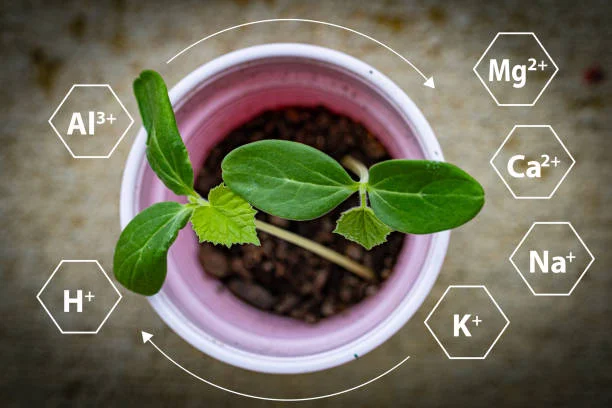
Small gardens, balconies and indoor green corners have become an important part of modern living. Many people no longer see plants as simple decoration, but as a way to create a calmer, healthier and more natural environment at home.
Whether it is a collection of houseplants in a bright living room, a few herbs on a kitchen windowsill, or ornamental plants on a compact patio, the way plants are cared for makes a real difference. Light, water and soil are essential, but nutrition is often the element that determines whether a plant simply survives or grows with strength, balance and vitality.
This is why plant feeding should not be treated as an occasional task. It is part of a wider approach to plant care, especially when plants are grown in pots, containers or limited spaces where nutrients can be depleted more quickly than in open ground.
The Rise of Small-Space Gardening
Urban gardening has grown significantly in recent years. People living in flats, townhouses or homes without large outdoor areas are finding creative ways to cultivate greenery. Balconies, terraces, windowsills and even shelves can become productive and beautiful green spaces.
This trend is not only about aesthetics. Plants can improve the atmosphere of a home, encourage more mindful routines and help people reconnect with nature. For many, taking care of plants becomes a daily ritual: checking the soil, observing new leaves, pruning dry parts and adjusting watering according to the season.
However, small-space gardening comes with specific challenges. Plants grown in containers depend entirely on the care they receive. Unlike plants in the ground, they cannot expand their roots freely in search of water and nutrients. Their environment is limited, which means the quality of the soil and the feeding routine become even more important.
Why Potted Plants Need Careful Nutrition
When a plant grows in a pot, the available nutrients are limited to the substrate inside that container. Over time, watering can wash nutrients away, while the plant continues to absorb what it needs for leaves, roots, flowers and overall growth.
If these nutrients are not replaced, plants may begin to show signs of weakness. Leaves can become pale, growth may slow down, flowering can be reduced and the plant may become more sensitive to stress. This does not always happen immediately, which is why many people do not realise that poor nutrition is part of the problem.
Good plant care is about balance. Too little nutrition can weaken the plant, while too much can create excessive growth or stress the roots. The goal is to provide steady support that respects the natural rhythm of the plant.
Understanding Balanced Plant Feeding
Balanced nutrition means giving plants the right combination of elements at the right time. Different plants have different needs, but most require support for root development, leaf growth, flowering and resistance to environmental stress.
For indoor plants and small outdoor plants, this balance is particularly important because the growing environment is controlled and limited. A plant on a balcony may face strong sun, wind or temperature changes. A houseplant may receive less natural light and depend on stable indoor conditions. In both cases, feeding should support the plant without forcing it.
This is where a balanced liquid fertilizer can be useful, especially for plants grown in pots or containers. Liquid feeding allows nutrients to be distributed evenly through watering and can be adapted more easily during the active growing season.
Liquid Fertilizer and Container Gardening
Liquid fertilizers are often appreciated by gardeners because they are practical and easy to apply. When used correctly, they can provide nutrients in a form that plants can absorb efficiently.
This can be particularly useful for balcony plants, ornamental plants, bonsai, herbs and indoor greenery. Since container plants have less access to natural soil reserves, a regular but moderate feeding routine can help maintain vitality.
Another advantage of liquid feeding is flexibility. The quantity and frequency can often be adjusted depending on the season, the type of plant and its growth stage. During spring and summer, many plants are more active and may benefit from more consistent support. During autumn and winter, feeding is usually reduced because many plants slow down their growth.
Signs That a Plant May Need Better Nutrition
Plants often communicate their needs through their appearance. While symptoms can have different causes, there are some common signs that may suggest a nutrition issue.
Pale or yellowing leaves can indicate that the plant is not receiving enough of certain nutrients. Slow growth, weak stems or reduced flowering can also be connected to poor feeding. In some cases, plants may look generally tired even when watering and light conditions seem correct.
It is important not to respond by overfeeding. More fertilizer is not always the solution. The best approach is to observe the plant, check the growing conditions and introduce a balanced routine gradually.
Common Feeding Mistakes to Avoid
One of the most common mistakes is feeding plants too frequently. Many beginners believe that fertilizer works like a quick boost, but plants need steady support rather than excessive stimulation.
Another mistake is fertilizing when the plant is already stressed. If a plant is suffering from lack of water, root damage or extreme heat, feeding it immediately may not solve the problem. In some cases, it can make the situation worse. The plant should first be stabilised with correct watering, light and positioning.
It is also important to avoid using the same feeding routine for every plant without considering its specific needs. A flowering balcony plant, a bonsai tree, a leafy houseplant and a herb plant may all require different levels of attention.
The Role of Soil and Watering
Fertilizer is only one part of plant care. Good nutrition works best when combined with suitable soil and correct watering. If the soil is compacted, poorly drained or constantly wet, roots may not function properly, even if nutrients are available.
Watering should be adapted to the plant, the season and the environment. Indoor plants often need less water than outdoor plants exposed to sun and wind. Balcony plants may dry out quickly during warm weather, while shaded containers may retain moisture for longer.
Healthy roots are essential because they allow the plant to absorb water and nutrients effectively. For this reason, drainage holes, suitable pots and the right substrate are just as important as the fertilizer itself.
A More Sustainable Way to Care for Plants
Sustainable gardening is not only about choosing natural-looking products or creating green spaces. It is also about avoiding waste, understanding plant needs and caring for them in a responsible way.
Overfeeding, overwatering and replacing struggling plants too quickly can all lead to unnecessary waste. A more conscious approach focuses on observation, prevention and gradual improvement.
When people understand how plants grow, they are more likely to care for them properly. This creates healthier plants and more lasting green spaces, whether indoors or outdoors.
Creating a Simple Plant Care Routine
A good routine does not need to be complicated. It can begin with a weekly check of the plants: looking at the leaves, touching the soil, checking for dry parts and observing whether the plant is producing new growth.
During the active season, feeding can be introduced according to the type of plant and the product instructions. It is better to be consistent and moderate than irregular and excessive.
For people with several plants, keeping a simple calendar can help. This is especially useful for balcony gardens, bonsai collections or indoor plant corners where different species may have different needs.
Final Thoughts
Plants bring life, beauty and calm into small spaces, but they need more than occasional watering to thrive. Nutrition plays a central role in helping them grow with strength and balance, especially when they are cultivated in pots or containers.
By combining good light, suitable soil, careful watering and balanced feeding, even a small balcony or indoor corner can become a healthy and rewarding green space.
The key is not to force growth, but to support it. When plant care is approached with patience and attention, the results are not only visible in the plants themselves, but also in the atmosphere they create around us.