
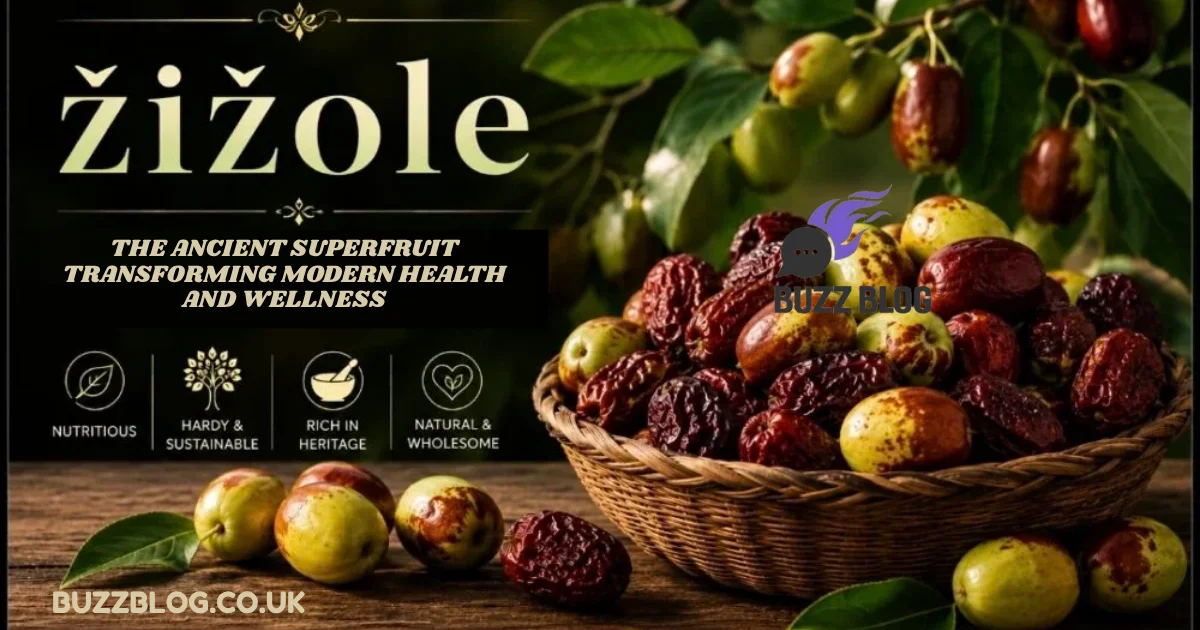
What Are Žižole?
If you have never heard of Žižole, you are not alone. This small fruit has quietly existed in traditional cultures for thousands of years, yet only recently has it started attracting global attention in the health and wellness world. Known internationally as jujube or Chinese date, Žižole comes from the Ziziphus jujuba tree and is commonly grown in Asia, the Mediterranean region, and parts of the Middle East. In countries across the Balkans and Adriatic coastlines, the fruit is affectionately called Žižole, and many families still treasure old recipes using this naturally sweet ingredient.
At first glance, Žižole may look like tiny dates or reddish-brown olives, but their flavor tells a completely different story. Fresh Žižole taste similar to crisp apples with a gentle honey sweetness, while dried ones become chewy and caramel-like. This dual personality makes them incredibly versatile in cooking and wellness products. According to recent nutritional reviews, the fruit contains impressive levels of vitamin C, antioxidants, fiber, and beneficial plant compounds that may support immunity, digestion, and metabolic health.
The fascinating thing about Žižole is how ancient wisdom is now colliding with modern scientific curiosity. Traditional Chinese medicine has used jujube fruit for over 4,000 years to help with sleep, stress, digestion, and overall vitality. Today, researchers are examining whether these traditional claims hold up under scientific scrutiny. Recent meta-analyses and nutritional studies suggest there may indeed be measurable health benefits connected to regular consumption of jujube fruit.
Origins and Historical Background
The story of Žižole stretches back deep into human history. Archaeological evidence suggests jujube cultivation began in China thousands of years ago before gradually spreading westward through trade routes. Merchants traveling along the Silk Road carried dried fruits, seeds, and cultivation techniques into Persia, the Mediterranean, and eventually southern Europe. Over time, local cultures embraced the fruit and gave it unique names and culinary traditions. In Croatia and neighboring Adriatic regions, the name Žižole became closely tied to autumn harvest festivals and homemade preserves.
Ancient healers viewed Žižole as far more than just food. Traditional herbal medicine systems described the fruit as calming, restorative, and nourishing. It was often brewed into teas for insomnia or simmered into tonics designed to support digestion and energy. Even today, many households in Asia use dried jujube in soups, herbal drinks, and medicinal recipes passed down through generations. Some modern wellness enthusiasts compare Žižole to a “natural multivitamin wrapped in fruit skin.”
What makes this history especially remarkable is how modern science keeps rediscovering compounds that ancient healers intuitively valued centuries ago. Researchers have identified flavonoids, polysaccharides, triterpenic acids, and phenolic compounds within the fruit. These bioactive substances are now being studied for their antioxidant, anti-inflammatory, and neuroprotective potential.
Why Žižole Are Called the Ancient Superfruit
The word “superfruit” gets thrown around so often these days that it almost sounds like marketing noise. Blueberries, acai, goji berries, and pomegranates have all worn the crown at different times. Yet Žižole deserves serious attention because it combines ancient cultural significance with a surprisingly dense nutritional profile.
One major reason experts highlight Žižole is their antioxidant content. Cleveland Clinic reports that jujube fruit may contain significantly higher phenolic compounds compared to many commonly praised fruits like cherries. These antioxidants help combat oxidative stress caused by unstable molecules known as free radicals. Oxidative stress has been associated with aging, inflammation, cardiovascular disease, and other chronic conditions.
Another reason lies in the fruit’s adaptability. Unlike some exotic superfoods that only grow in narrow climates, Žižole trees are resilient and drought-tolerant. Farmers increasingly see them as climate-friendly crops capable of thriving in difficult environmental conditions. Discussions online among growers even suggest jujube trees may become more important in regions affected by warming temperatures and unstable rainfall patterns.
Perhaps the most compelling aspect of Žižole is how they bridge old and new wellness philosophies. Ancient medicine focused on balance, calmness, and resilience. Modern wellness culture now chases similar goals through adaptogens, functional foods, and holistic nutrition. Žižole naturally fit into both worlds, making them one of the most intriguing fruits entering the modern health conversation.
Nutritional Profile of Žižole
Žižole may be small, but nutritionally they punch far above their weight. Many people assume superfoods must be exotic powders or expensive supplements packaged in trendy containers. Žižole prove that powerful nutrition can come in the form of a simple fruit growing quietly on thorny trees. Fresh or dried, the fruit delivers an impressive combination of vitamins, minerals, fiber, and plant compounds that contribute to its growing reputation in wellness circles.
Vitamins and Minerals Packed Inside
A serving of dried jujube contains significant amounts of vitamin C, potassium, calcium, and iron. Vitamin C alone deserves attention because it supports immune function, collagen production, and antioxidant defense mechanisms within the body. Cleveland Clinic researchers noted that dried jujube can provide vitamin C levels comparable to oranges and strawberries.
| Nutrient | Potential Benefit |
|---|---|
| Vitamin C | Immune support and antioxidant protection |
| Potassium | Heart and muscle function |
| Fiber | Digestive health and satiety |
| Iron | Red blood cell production |
| Calcium | Bone strength and nerve function |
The fiber content in Žižole is another important advantage. Fiber slows digestion, supports gut bacteria, and may help stabilize blood sugar levels. Modern diets often fall short in fiber intake, which makes naturally fiber-rich foods increasingly valuable. Eating Žižole feels a bit like giving your digestive system a gentle tune-up rather than overwhelming it with processed sugars and artificial ingredients.
Antioxidants and Bioactive Compounds
Scientists are especially interested in the fruit’s antioxidant profile. Phenolic compounds, flavonoids, saponins, and polysaccharides appear to play key roles in the fruit’s biological activity. These compounds may help reduce inflammation and support cellular protection. Research reviews published in recent years highlight the fruit’s potential anti-inflammatory and neuroprotective properties.
There is also growing discussion around compounds called jujubosides, naturally occurring saponins believed to influence relaxation and sleep quality. Online herbalism communities frequently discuss calming effects associated with jujube teas and preparations. While anecdotal experiences are not definitive proof, scientific interest in these compounds continues to expand.
The beauty of Žižole lies in synergy. Instead of relying on one miracle nutrient, the fruit combines many beneficial elements into a single natural package. That holistic nutritional balance is exactly why ancient cultures valued it long before laboratory testing existed.
The Science Behind Žižole Health Benefits
Modern nutrition science is finally catching up to traditional wisdom surrounding Žižole. Researchers worldwide are studying how jujube fruit affects metabolism, inflammation, sleep, digestion, and cardiovascular health. While experts caution that more large-scale human studies are needed, the early findings are undeniably intriguing.
Effects on Immune Health
Your immune system functions like a security team guarding a busy city. It needs strong communication, reliable energy, and constant maintenance. Žižole contribute to this process through vitamin C, antioxidants, and anti-inflammatory compounds that may help support immune resilience.
Vitamin C is perhaps the most famous immune-supporting nutrient, and Žižole provide it naturally in meaningful amounts. Antioxidants further support immune function by helping reduce oxidative stress. When oxidative stress becomes excessive, immune responses can become less efficient or overly inflammatory. By neutralizing harmful free radicals, antioxidant-rich foods may help the immune system perform more effectively.
Some researchers also believe the fruit’s polysaccharides may influence immune regulation. Animal and laboratory studies have shown promising biological activity, although researchers continue investigating how these effects translate to humans. The current scientific message is cautious optimism rather than exaggerated claims. That balanced approach is refreshing in a wellness industry often flooded with unrealistic promises.
Potential Impact on Heart Wellness
Heart health remains one of the biggest concerns worldwide, which is why foods affecting cholesterol, triglycerides, and inflammation attract so much scientific attention. A 2025 systematic review and meta-analysis examining jujube consumption found evidence suggesting reductions in triglycerides, fasting blood sugar, and body mass index among certain participants.
That does not mean Žižole magically eliminate cardiovascular risk. Real health improvement always depends on broader lifestyle habits including sleep, exercise, stress management, and overall nutrition. Yet adding antioxidant-rich fruits like Žižole into a balanced diet may support healthier metabolic patterns over time.
Potassium content also deserves mention because potassium helps regulate blood pressure and muscle contractions, including the heartbeat itself. Think of potassium as a traffic controller helping maintain smooth electrical communication inside the body. Foods naturally rich in potassium can contribute to healthier cardiovascular balance when consumed consistently.
Blood Sugar and Metabolic Support
Blood sugar management has become a major wellness topic in recent years, even among people without diabetes. Modern diets overloaded with ultra-processed foods often create energy spikes and crashes that leave people feeling exhausted and hungry. Žižole offer a more balanced nutritional profile due to their fiber and bioactive compounds.
Recent clinical reviews suggest jujube consumption may help improve fasting blood sugar levels in people with type 2 diabetes. Researchers observed measurable reductions in certain metabolic markers, although results varied across studies.
This growing interest aligns with broader consumer demand for functional foods that provide health benefits beyond basic nutrition. Instead of viewing food purely as calories, modern wellness trends increasingly focus on how foods influence energy, inflammation, mood, and metabolic resilience. Žižole fit naturally into this shift because they combine sweetness with nutritional depth.
Digestive Health Advantages
Your gut functions almost like a second brain. Scientists continue uncovering connections between gut health and immunity, mood, metabolism, and even cognitive function. Žižole may contribute positively to gut wellness due to their fiber and possible gut-protective properties.
Some preliminary studies indicate jujube compounds could help support the intestinal barrier and reduce inflammation in digestive tissues. Cleveland Clinic experts noted that the fruit may help strengthen the gut lining and improve nutrient absorption.
Anecdotal discussions online also frequently mention digestive comfort after consuming jujube fruit or tea. While personal stories should not replace scientific evidence, they often inspire further research directions. The combination of fiber, antioxidants, and soothing herbal traditions makes Žižole particularly appealing in digestive wellness circles.
Žižole and Modern Wellness Trends
The modern wellness industry constantly searches for the next ancient secret. Sometimes that search feels gimmicky, but occasionally a traditional food truly offers something meaningful. Žižole have quietly entered conversations around stress relief, clean eating, functional nutrition, and natural remedies.
Sleep and Stress Management
One of the oldest traditional uses for Žižole involves calming the mind and supporting sleep. In traditional Chinese medicine, jujube has long been associated with relaxation and emotional balance. Modern researchers are exploring whether certain compounds in the fruit may influence neurotransmitter activity related to sleep and stress response.
People today live in an age of constant stimulation. Notifications buzz endlessly, work hours blur into evenings, and genuine rest often feels rare. That cultural exhaustion helps explain why natural sleep-supporting foods and herbal remedies have become increasingly popular. Žižole tea, often paired with herbs like lavender or chamomile, now appears in wellness cafes and herbal communities worldwide.
Some herbal enthusiasts describe the fruit’s effects as gentle rather than sedating. Instead of feeling knocked out, they report feeling calmer and more emotionally grounded. Again, these experiences remain anecdotal, but they contribute to the fruit’s growing reputation in natural wellness spaces.
Fitness, Energy, and Recovery
Fitness culture is no longer just about protein shakes and pre-workout powders. Many athletes and wellness enthusiasts now prioritize recovery, inflammation management, and sustainable energy sources. Žižole naturally align with these goals due to their carbohydrates, minerals, antioxidants, and fiber.
Fresh Žižole provide quick natural energy similar to apples or dates, while dried varieties work well as portable snacks. Their sweetness satisfies cravings without feeling excessively processed. Some runners and hikers even compare them to nature’s candy because they provide fast fuel while still containing beneficial nutrients.
Athletes increasingly understand that recovery matters just as much as intense training. Chronic inflammation and poor sleep can sabotage progress even when workouts are excellent. Since Žižole may support antioxidant defense and relaxation, they fit naturally into broader recovery-focused nutrition strategies.
Culinary Uses of Žižole
Žižole are wonderfully versatile in the kitchen. Their flavor changes dramatically depending on freshness and preparation, giving cooks plenty of creative possibilities.
Fresh vs Dried Žižole
Fresh Žižole taste crisp and juicy, almost like miniature apples with floral sweetness. Dried Žižole become wrinkled, chewy, and deeply sweet, resembling dates but with a lighter flavor profile. This transformation is one reason the fruit adapts so easily to both savory and sweet dishes.
| Form | Flavor Profile | Common Uses |
|---|---|---|
| Fresh Žižole | Crisp, mildly sweet | Snacking, salads |
| Dried Žižole | Chewy, caramel-like | Tea, desserts, soups |
| Powdered Jujube | Concentrated sweetness | Smoothies, supplements |
Delicious Ways to Add Them to Meals
People around the world use Žižole in fascinating ways. In Asian cuisines, dried jujube often appears in soups, herbal broths, teas, and rice dishes. Mediterranean households may turn them into jams, syrups, or homemade liqueurs. Some families even pickle the fruit or add it to pastries.
Modern food bloggers increasingly incorporate Žižole into smoothies, overnight oats, trail mixes, and energy bars. Their natural sweetness pairs beautifully with nuts, cinnamon, honey, ginger, and citrus flavors. Think of them as a culinary bridge between apples, dates, and raisins.
The fruit’s versatility helps explain its staying power across centuries and cultures. Foods disappear when they are difficult to use or unpleasant to eat. Žižole survived because they are both nourishing and genuinely enjoyable.
Growing Global Demand for Žižole
Consumer interest in functional foods continues growing rapidly, and Žižole are benefiting from this trend. Health-conscious shoppers increasingly seek ingredients connected to traditional wellness systems and scientific research.
Farming and Sustainability
Jujube trees are impressively resilient. They tolerate drought, poor soil, and harsh climates better than many commercial fruit crops. That resilience matters enormously as climate change pressures agriculture worldwide. Farmers searching for sustainable and adaptable crops are paying closer attention to jujube cultivation.
Some growers describe the trees as low-maintenance yet highly productive once established. Online discussions among fruit tree enthusiasts reveal growing excitement around cultivating different jujube varieties in new regions.
Market Trends and Consumer Interest
Search interest in jujube products, teas, supplements, and dried snacks has increased steadily in wellness markets. Consumers are becoming more adventurous and globally connected in their food choices. Ingredients once considered obscure now gain international popularity almost overnight through social media, wellness blogs, and nutrition influencers.
The appeal of Žižole also fits perfectly into current consumer psychology. People increasingly crave authenticity, heritage foods, and natural alternatives to heavily processed products. Žižole carry an ancient story while simultaneously fitting modern wellness goals. That combination gives them strong long-term potential rather than fleeting trend status.
Potential Side Effects and Precautions
Although Žižole are generally considered safe for most people, moderation still matters. Eating large amounts of dried fruit may increase sugar intake, especially for individuals carefully managing blood glucose levels.
Some people may also experience allergic reactions, particularly those sensitive to latex-related foods. Experts recommend speaking with a healthcare professional before using concentrated supplements or herbal preparations, especially if taking medications related to mental health, seizures, or blood sugar management.
The key is balance. Žižole work best as part of a healthy lifestyle rather than a miracle cure. No single food can compensate for chronic stress, poor sleep, inactivity, or heavily processed eating habits.
How to Choose and Store Žižole
Fresh Žižole should feel firm, smooth, and slightly glossy. Avoid fruits with excessive bruising or shriveled skin unless buying intentionally dried varieties. Fresh fruits can be refrigerated for several weeks, while dried Žižole often last months when stored in airtight containers.
When buying packaged products, look for minimal added sugars and preservatives. High-quality dried Žižole should taste naturally sweet without needing heavy artificial flavoring. Organic options are increasingly available through specialty stores and online wellness retailers.
Conclusion
Žižole represent something increasingly rare in modern nutrition: a food with both ancient cultural roots and growing scientific credibility. For thousands of years, people valued this humble fruit for nourishment, relaxation, digestion, and vitality. Today, researchers continue exploring how its antioxidants, vitamins, fiber, and bioactive compounds may support human health in measurable ways.
The rise of Žižole reflects a larger shift happening in wellness culture. People no longer want empty calories or flashy marketing alone. They want foods connected to history, sustainability, and genuine nutritional value. Žižole answer that demand beautifully. Whether eaten fresh, dried, brewed into tea, or blended into recipes, this ancient superfruit continues proving that sometimes the oldest foods still have the most to offer.