
Introduction
Property safety inspections are an essential part of maintaining safe living and working environments. In a busy and growing city like London, buildings vary widely in age, design, and construction materials. Some older properties may still contain hazardous materials that were once commonly used but are now known to pose health risks. Regular inspections help identify these risks before they cause harm. This guide explains how property safety inspections work, why they matter, and how they help protect occupants from dangerous substances.
Understanding Hazardous Materials in London Properties
Common Risks Found in Older Buildings
Many buildings across London were constructed during periods when materials such as asbestos, lead-based products, and certain chemicals were widely used. Although many of these substances are now regulated or banned, they can still be hidden behind walls, within insulation, or under flooring in older structures. Without proper inspections, homeowners or tenants may not even be aware that their property contains potential hazards.
Why These Materials Are Dangerous
Hazardous materials can become harmful when disturbed. For example, damaged insulation may release fibres or particles into the air, while old paint can deteriorate and contaminate indoor surfaces. These risks are not always obvious at first glance. Regular inspections allow trained professionals to identify such materials early and recommend safe management or removal.
In cities like London, where renovations, repairs, and property improvements occur frequently, the risk of disturbing hazardous materials is even higher. Proper checks help ensure that work can be carried out safely and in line with legal requirements.
The Role of Property Safety Inspections
Identifying Hidden Dangers
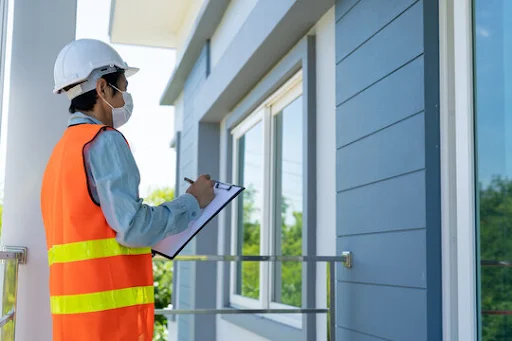
Safety inspections focus on locating materials that could affect the health and wellbeing of occupants. This includes assessing building components such as roofing, insulation, ceilings, pipes, and flooring. Inspectors use specialised knowledge and equipment to determine if hazardous substances are present and whether they pose an immediate risk.
In many cases, materials do not pose a danger unless disturbed, which is why inspections are important before any refurbishment or construction work begins. Being aware of what is inside the building fabric helps prevent accidental exposure.
Ensuring Legal Compliance
Property owners in London have responsibilities under UK health and safety laws. Regulations require that certain hazardous materials be managed safely and documented correctly. For example, asbestos management is governed by strict rules designed to prevent exposure. According to the Health and Safety Executive (HSE), all non-domestic buildings and communal areas of residential buildings must keep an up-to-date asbestos management plan and ensure that risks are assessed properly. Regular safety inspections make it easier for landlords, business owners, and property managers to meet these legal obligations and ensure a safe environment for occupants.
Protecting Occupants Through Early Detection
Preventing Health Problems
Exposure to hazardous materials can have long-term effects on health. Asbestos fibres, for example, can cause respiratory illnesses when inhaled. Lead-based materials may affect children’s development, and chemical residues can irritate the skin or eyes. Detecting these hazards early prevents occupants from being exposed and reduces the likelihood of future health issues.
In a densely populated city like London, where many people live in flats or shared residential buildings, a single hazard can affect numerous occupants. Early detection ensures that the entire building remains safe.
Reducing Costs and Disruption
Addressing hazardous materials early can also help reduce long-term costs and inconvenience. Problems that remain hidden for years can lead to expensive repairs or even structural issues. Regular inspections mean that concerns are identified at a manageable stage. This allows property owners to plan maintenance, arrange safe removal if necessary, and avoid unexpected disruptions.
For occupants, this means fewer sudden relocations, less exposure to dust or debris, and more confidence in the safety of their home.
The Importance of Professional Expertise
Why Professional Inspections Matter
Identifying hazardous materials is not something most people can safely do themselves. Many substances are difficult to detect without training, and attempting to inspect them personally can be dangerous. Professionals understand how to handle materials safely, take samples correctly, and recommend appropriate next steps.
In London, where buildings range from historic homes to newly converted flats, professional inspectors can adapt their approach to suit different construction styles. Their expertise ensures that inspections are thorough and that any risks are clearly understood.
When Specialist Surveys Are Needed
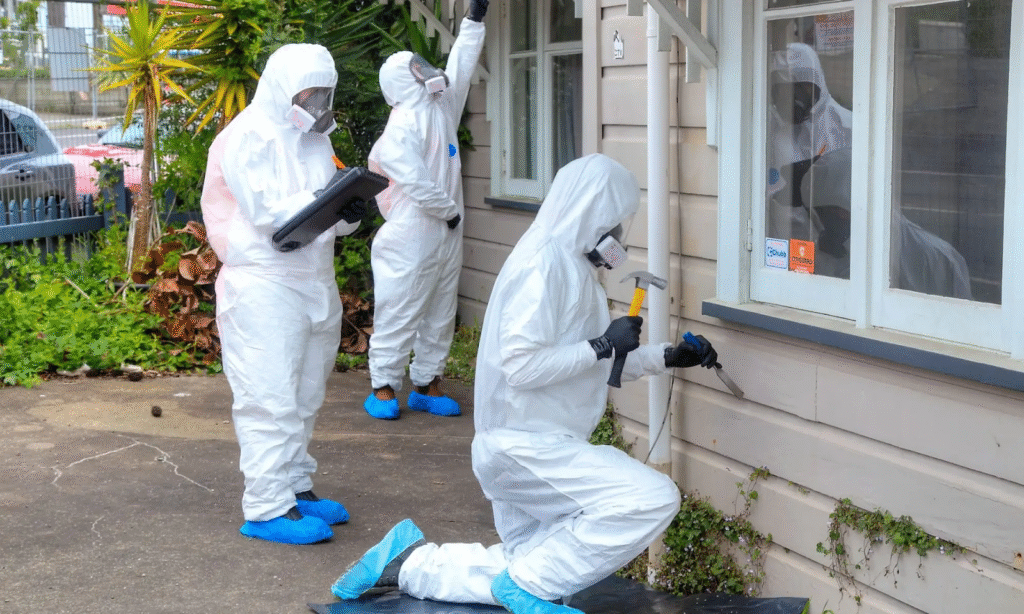
Certain materials require more detailed assessment. For example, older properties may need asbestos-specific inspections to determine whether asbestos is present and whether it poses a risk. When planning renovation work, property owners often seek support from specialists offering London Asbestos Surveys, ensuring the building is fully assessed before any construction begins. This helps prevent accidental exposure and guarantees that work is carried out in a safe and legally compliant manner.
Creating a Safer Living Environment
Supporting Long-Term Building Health
Safety inspections do more than identify immediate hazards — they also help maintain the long-term health of the building. By understanding what materials are present, property owners can make better decisions about repairs, upgrades, and future maintenance. This helps prevent deterioration and ensures that the building remains safe and structurally sound.
Giving Occupants Peace of Mind
Living in a safe environment is essential for wellbeing. Regular inspections provide reassurance that the building is being looked after and that any potential risks are being managed responsibly. For families, tenants, and business occupants in London, this peace of mind is especially valuable in areas with older or traditionally constructed properties.
Conclusion
Property safety inspections play a crucial role in protecting occupants from hazardous materials. In a city like London, where buildings vary in age and construction, regular inspections help identify hidden dangers, ensure compliance with UK regulations, and maintain healthy indoor environments. By relying on professional assessments and staying proactive about property safety, homeowners, landlords, and tenants can prevent exposure to harmful materials and support the long-term health of their buildings.
For more useful insights on home safety and upkeep, you might like this related article from Buzz Blog: Fire Warden Checklist: Ensuring Preparedness and Safety at Home or Work.