
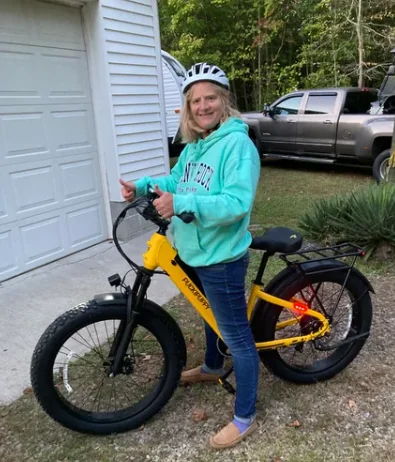
As cities continue to grow denser and traffic becomes increasingly unpredictable, more riders are turning to commuter-friendly electric bikes as their daily transportation solution. A well-engineered model offers a combination of efficiency, comfort, reliability, and long-term value, transforming ordinary commutes into smooth and enjoyable rides. For anyone exploring options in city-ready electric bikes, understanding how design, components, and engineering come together can make a significant difference in choosing the right ride Commuter Ebike.
But what actually makes a commuter ebike “perfect”? To answer that, it’s important to look beyond the surface and understand the core engineering principles behind these bikes. This includes everything from motor performance to frame geometry, battery efficiency, and overall ride comfort. Riders searching for dependable daily commuting e-bikes will benefit most from recognizing which features truly matter in everyday use.
This guide breaks down the essential components, performance factors, and design characteristics that define the modern urban mobility e-bike, helping you confidently evaluate your options and make an informed decision before making a purchase.
Understanding the Role of Frame Design
The frame is the foundation of any commuter ebike and directly influences durability, stability, and rider comfort. Most commuter-oriented frames are made from aluminum alloy because it provides a lightweight yet strong structure that can handle daily use without adding unnecessary bulk. Some premium models use carbon fiber for even lighter weight, although its higher cost makes aluminum the more practical choice for most riders.
Geometry also plays a crucial role. A proper commuter ebike should maintain an upright riding posture that reduces strain on the shoulders, neck, and wrists. This ergonomic position improves visibility, which is essential for navigating busy streets. Additionally, frames designed with step-through options make mounting and dismounting easier, especially when carrying bags or riding in traffic.
Motor Type and Power Delivery
For commuter ebikes, a smooth and predictable motor system is essential. There are two main motor configurations: hub motors and mid-drive motors. Hub motors, typically placed in the rear wheel, deliver consistent power and are affordable and low-maintenance. Mid-drive motors, mounted near the pedals, offer better weight distribution and torque, especially useful for cities with hills or riders carrying extra cargo.
Motor wattage generally ranges from 250W to 960W, depending on regional regulations and performance goals. For most urban commutes, 350W to 600W offers the ideal balance of power and efficiency. Torque—measured in Newton-meters—is just as important as wattage. Higher torque improves acceleration and climbing capability, making stop-and-go traffic feel more natural. A refined commuter ebike prioritizes smooth motor engagement and intuitive power delivery that enhances the riding experience without abrupt surges.
Battery Range and Energy Efficiency
A commuter ebike is only as good as its battery. Most models include lithium-ion batteries known for reliability and long life cycles. Capacity is measured in watt-hours, with typical commuter ebike batteries ranging from 400Wh to 700Wh. This capacity supports daily trips of 25 to 75 miles, depending on the terrain, rider weight, and assist level.
What sets a well-engineered commuter ebike apart is energy efficiency. Advanced battery management systems ensure stable output, prevent overheating, and extend overall battery lifespan. Removable batteries offer convenience for apartment dwellers or office workers without garage access. Riders should also consider charge time, with most batteries requiring four to six hours for a full recharge.
Suspension and Ride Comfort
Comfort is a crucial part of the commuter ebike experience. While not every commuter bike includes suspension, front-fork suspension can significantly reduce vibration and impact from uneven roads or potholes. Some models include seatpost suspension for added comfort without compromising weight or efficiency.
Tire size and tread pattern also influence ride quality. Wider tires, around 1.75 to 4 inches, improve stability, grip, and shock absorption. Smooth or semi-slick tread patterns reduce rolling resistance and enhance efficiency on pavement. When combined, these features work together to deliver a smoother, more controlled ride during daily commuting.
Braking System and Safety Features
Safety is a top priority for commuter riders. Hydraulic disc brakes are the preferred option for modern ebikes due to their consistent stopping power, even in wet or unpredictable conditions. They require less force to activate and provide better modulation than mechanical disc brakes.
Beyond braking, a complete commuter ebike integrates visibility and safety features into its design. Built-in LED headlights, rear brake lights, and reflective tire trims enhance rider visibility during early morning or evening commutes. Some models include integrated turn signals or automatic lighting systems for added convenience. Fenders and chain guards protect riders from road debris and splashes, making the bike more practical for all-weather commuting.
Drivetrain Options and Ease of Use
Commuter ebikes typically come with either a traditional derailleur system or an internal gear hub. Derailleur systems offer a wide range of gears and are lightweight and efficient, ideal for varied terrain. Internal gear hubs, sealed from dust and moisture, offer low maintenance, smooth shifting, and long-term durability.
Chain drives are common, but belt drives are becoming more popular for commuter ebikes. Belt drives require no lubrication, run quietly, and have significantly longer lifespans, making them a preferred option for riders seeking a low-maintenance solution.
Connectivity and Smart Features
As technology advances, many commuter ebikes now include smart connectivity features. Integrated displays provide information such as speed, range, battery level, and assist mode. Some models include Bluetooth or app-based control, allowing riders to track metrics, customize power settings, or lock the bike electronically.
GPS tracking, anti-theft alarms, and mobile-controlled locking systems offer additional layers of security. While not essential, these smart features can enhance the commuting experience and make the bike more user-friendly.
Practical Commuting Accessories
A commuter ebike becomes significantly more functional when paired with the right accessories. Rear racks, panniers, and baskets allow riders to carry work essentials, groceries, or gym gear with ease. Integrated kickstands, fenders, and lighting systems ensure the bike is ready for daily use straight from the factory.
Rear racks with a higher weight capacity are especially valuable for riders who transport heavier items or who plan to use child seats or cargo attachments.
Why the Perfect Commuter Ebike Matters
A well-engineered commuter ebike is more than just a transportation tool. It improves daily efficiency, reduces reliance on cars, lowers commuting costs, and enhances physical well-being. By understanding how each feature contributes to performance and comfort, riders can choose a model that aligns perfectly with their routine and lifestyle.
The perfect commuter ebike combines smart engineering, thoughtful design, and practical functionality, resulting in a ride that feels effortless, enjoyable, and reliable every day. Whether navigating busy streets, climbing hills, or cruising on bike lanes, the right commuter ebike transforms the way you move through the city.If you’re interested in this type of commuter ebike, you can visit websites that offer high-quality models, such as Puckipuppy.
Explore more curated reads to learn faster, act smarter, and stay ahead of the curve.