
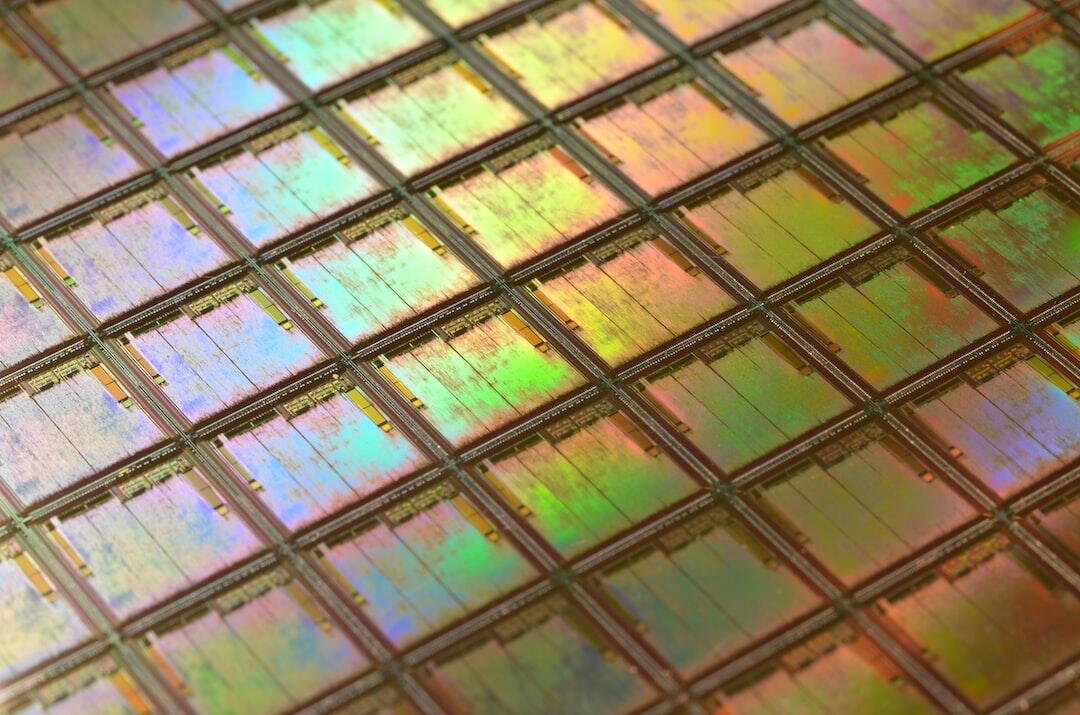
Some of the biggest shifts in tech start with the smallest parts. Think of the thin disc hidden inside every device you own. It has no bright lights or flashy design, yet it powers almost everything in modern life. This small piece of silicon is the wafer, and it has become one of the most important tools in modern electronics today.
If you want to understand how our world keeps getting smarter, faster, and more connected, dive into the story behind these quiet game-changers. Keep reading to explore the tech that reshapes everything around us.
What Makes a Wafer More Than a Disc?
A wafer may look plain, but its purpose is far from simple. Made from ultra-pure silicon, it becomes the base on which circuits are built. These circuits act like tiny roads that guide electric signals. When billions of these roads work together, they create the chips that power phones, computers and other devices.
The surface of the wafer must be smooth and flawless. Even a small defect can break a circuit and stop a chip from working. That is why the early stage of making a wafer is so strict and careful.
Why Silicon Is the Star Material
Silicon is used because it can control electric charge in a stable way. It behaves predictably, which matters when circuits must follow exact rules. Engineers can shape silicon to form the building blocks of chips, letting devices run programs, store data and respond to commands.
Silicon also handles heat well. Since today’s chips run complex tasks, they create a lot of warmth. A material that stays cool while working hard is a major advantage.
From Simple Sheets to Complex Circuits
A wafer starts as a plain surface, but that changes fast. Engineers use light, heat and chemicals to add layers of tiny patterns. Each new layer adds more detail and more function. After many steps, the wafer holds networks so small they can only be seen with strong microscopes.
These tiny networks are what allow devices to fit more power into less space. This is why new phones and laptops are thinner yet stronger than older ones.
The Power of Precision
Every step in wafer production must be exact. If one part is off, the whole chip may fail. Cleanrooms protect wafers from dust, since even a single speck can ruin a design. Machines perform most of the work, guiding light through masks to carve the delicate paths of circuits.
During this stage, techniques involving patterned silicon wafers help pack more detail into each chip. The more detail engineers can fit, the more powerful the chip becomes.
How Wafers Changed Everyday Technology
Look around your home and you will see the impact of wafers everywhere. Your phone reacts as soon as you touch the screen. Your laptop wakes up fast. Your TV streams videos without delay. None of this would be possible without advanced chips built on high-quality wafers.
This change goes beyond convenience. When devices run smoothly, they save energy. A chip that uses power wisely helps batteries last longer and reduces wasted energy.
Smaller Devices, Bigger Capabilities
Today’s tech trend is clear: make devices smaller while making them do more. Wafers make this possible. As engineers add more circuits to each wafer, chips gain more power in the same amount of space. This is why earbuds can support noise-canceling and why watches can track heart rate and motion.
These gains shape the tools we use daily. Small devices feel simple on the outside, but inside they hold incredibly complex circuits.
The Hidden Role of Wafers in Modern Cars
Modern cars rely on chips for almost everything. Sensors watch blind spots. Systems warn drivers when they drift from a lane. Some cars even help steer or brake during trouble.
All of these features depend on wafers. Without precise circuits, cars could not react fast enough to keep people safe. As vehicles grow smarter, the need for high-quality wafers grows too.
Wafers and the Rise of Smart Homes
Smart homes have become more common, and wafers make many of their features possible. When lights turn on by themselves or speakers respond to voice commands, chips are working behind the scenes.
These chips link devices together so they can share information. They also let you control your home from far away, using a phone or tablet. This level of connection would not exist without advanced wafer technology.
Changing Healthcare Through Microchips
Doctors now use tools that can scan, measure and track body data with great accuracy. Many of these tools run on chips built from wafers. They help spot health issues early and give doctors clearer results.
Wearable health devices also depend on wafers. They track heart rate, sleep and activity. These small tools give people better insight into their health every day.
The Global Path of a Wafer
The long journey of a wafer begins in a lab, moves through a factory and ends inside a device. It touches some of the most advanced equipment in the world. Each wafer may become hundreds of chips. Each chip may end up in a different tool or machine across the globe.
This global movement shows how important wafers are. Entire industries depend on their reliability and precision.
Building the Future Layer by Layer
Innovation in wafer design never stops. Engineers look for ways to shrink transistors, stack circuits and create new layouts. Every time they succeed, devices gain speed and ability.
These steady improvements support big ideas like faster AI tools, lighter computers and more powerful sensors. They also open paths to new inventions that we have not imagined yet.
A Final Look Toward Tomorrow’s Tech
Wafers may be small, but their impact is enormous. They sit at the center of every advance in electronics. As long as people look for faster, smarter tools, wafers will keep evolving. Their thin frames hold the groundwork for our digital world, and their future is filled with possibility.
Modern Electronics: The Last Slice of the Story
The next time you hold a device that works with ease, pause for a moment and think about what makes that smooth experience possible. Hidden inside is a thin disc that shapes its power, speed and ability to handle tasks without slowing down.
This quiet piece of silicon may look simple, yet it carries the complex circuits that guide every tap, swipe and command. Though small enough to overlook, it fuels nearly all modern technology and keeps the digital world moving forward with steady and reliable strength.
Visit the rest of our blog for more!