
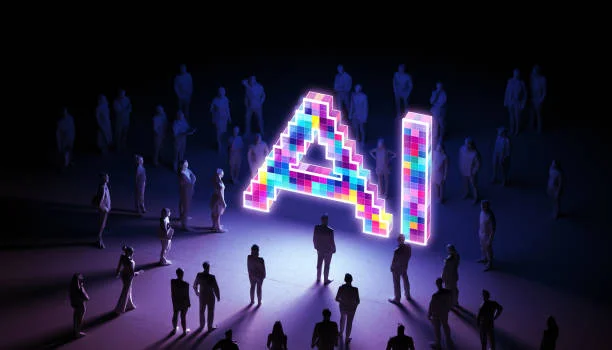
The clipboard and the spreadsheet have a new, invisible rival. Imagine an event where every attendee feels like the entire three-day summit was built exclusively for them, not because a team of hundreds manually tracked their preferences, but because a silent, algorithmic architect anticipated their every move. We are witnessing the death of the generic corporate gathering.
In its place, AI in event planning is birthing a new era of radical personalisation and surgical logistical precision. This is no longer about chatbots answering “where is the toilet?”It is about the wholesale transformation of human connection through data-driven intelligence.
Why AI Has Become Essential to Corporate Events
Corporate events face increasing pressure to deliver measurable value. Stakeholders expect stronger engagement, clearer ROI, and flawless execution. AI meets these demands by transforming how events are planned, delivered, and evaluated.
AI tools process vast amounts of data faster than any team could manually. They identify patterns, predict behaviour, and recommend actions that improve decision-making. As a result, planners spend less time reacting and more time designing impactful experiences.
This shift places AI event management at the centre of strategic event delivery rather than at the edges of operations.
The Strategic Engine: Personalisation at Scale
The greatest challenge in corporate engagement has always been the “one-size-fits-all” trap. Whether managing a global sales kick-off or an elite leadership retreat, planners traditionally struggled to cater to diverse demographics simultaneously. AI has solved this.
Modern AI event management platforms now use machine learning to analyse attendee profiles, LinkedIn data, and past engagement patterns to curate bespoke itineraries in real-time. If an attendee shows a preference for sustainability and high-growth tech, the AI doesn’t just suggest relevant sessions; it facilitates “smart matchmaking,” introducing them to peers and suppliers with identical interests.
Predictive Logistics: Eliminating the Friction
Logistics used to be a game of reactive firefighting. Technology has shifted the focus to proactive prevention. Predictive analytics now allow organisers to “stress-test” an event before a single guest arrives.
- Crowd Flow Modelling: AI simulates how thousands of people will move through a venue, identifying potential bottlenecks at registration or catering stations before they occur.
- Catering Precision: By analysing historical consumption data and real-time registration updates, AI predicts exact food and beverage requirements, significantly reducing waste and protecting the budget.
According to a report by MarketsandMarkets, the global AI in the hospitality and events market is projected to reach USD 8.1 billion by 2026, as organisations prioritise these efficiencies (Source: MarketsandMarkets).
The Data Currency: Real-Time Sentiment Analysis
The most valuable asset of any corporate event is the data it generates. In the past, feedback was “cold” captured via surveys days after the event ended. Today, AI provides “hot” data.
Natural Language Processing (NLP) tools now monitor social media feeds, event apps, and even live session transcripts to gauge the “mood” of the room. If sentiment dips during a technical keynote, planners can adjust the tone of the following session or send a real-time push notification to re-energise the crowd with an interactive poll.
Case Study: Enhancing High-Stakes Incentives
Consider the complexity of a dual-track incentive trip, such as a programme recently executed in Porto. One group required high-energy activities like off-road buggy driving, while their partners sought refined cultural experiences at heritage wineries.
Traditionally, managing these diverging paths required immense manual oversight. With AI-integrated management, the transition becomes seamless. Automated scheduling ensures that while both groups share a “base” of five-star hospitality and factory visits, their individual tracks are managed with millimetre precision. AI-driven apps handle the logistics of surprise lunches and tailored gala events, ensuring no guest feels “managed,” but rather “hosted.”
Similarly, for high-adrenaline adventures in locations like the Norwegian fjords, AI can monitor weather patterns and local transit data to suggest the optimal “window” for a surprise helicopter transfer or a RIB boat safari, ensuring the “wow factor” is never dampened by logistical oversights.
Sustainability and the Ethical Algorithm
In 2026, an event’s success is measured by its footprint as much as its content. AI is the ultimate tool for the ESG-conscious organiser. By optimising transport routes for delegates and managing energy consumption within “smart venues,” technology ensures that high-impact experiences do not come at a high environmental cost.
Furthermore, AI-driven digital signage and paperless registration ecosystems have made the “zero-waste” conference a functional reality rather than a marketing slogan.
The Future of Connection
The transition to AI event management is no longer a choice for forward-thinking firms; it is a necessity. In a world where time is the most precious commodity, attendees will no longer forgive a lack of personalisation or a friction-filled experience.
Ready to harness the power of the invisible architect for your next gathering? The future of events is intelligent, transparent, and waiting for you to lead the way.
Explore how technology can elevate your next project and discover the potential of a data-driven, extraordinary brand journey.