
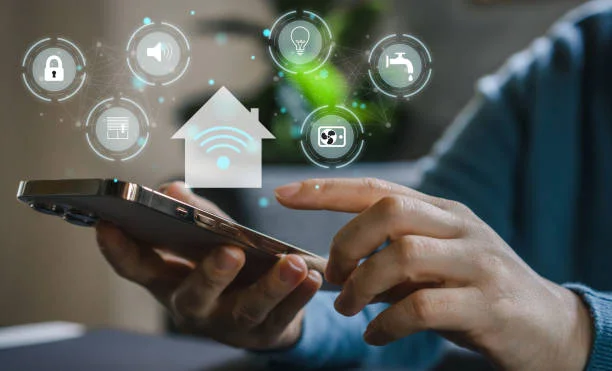
Technology is no longer limited to smartphones and laptops. It now lives in our walls, kitchens, living rooms, and even our doorbells. Smart homes and connected devices are transforming how people interact with their living spaces, turning ordinary houses into responsive, efficient, and highly personalised environments. From voice-controlled lighting to refrigerators that track groceries, this digital shift is changing daily life in ways that once seemed futuristic.
What Is A Smart Home?
Remote administration and monitoring of systems such as lighting, heating, security, and appliances are facilitated by internet-connected devices in a smart home. These devices communicate with each other through a central hub, smartphone app, or voice assistant. The goal is simple: convenience, efficiency, and improved quality of life.
Connected devices collect data, learn from user behaviour, and automate routine tasks. For instance, an intelligent thermostat can automatically adjust temperatures based on your schedule. Smart speakers are capable of controlling other devices, providing weather updates, and playing music through voice commands. This level of integration creates a seamless living experience where technology works quietly in the background.
Why Smart Homes Are Growing So Fast?
The accelerated adoption of smart home technology is being influenced by a variety of factors. First, internet access has become more reliable and widespread. Second, device prices have dropped, making smart products more affordable to average households. Third, people increasingly value convenience and time-saving solutions.
The pandemic period also accelerated adoption. As more people worked from home, they invested in technologies that made their homes more comfortable and efficient. Security concerns played a role, too, with smart cameras and doorbells offering real-time monitoring and alerts.
Everyday Convenience And Automation
One of the biggest appeals of smart homes is automation. Lights can turn on when you enter a room. Coffee makers can start brewing before you wake up. Blinds can adjust based on sunlight. These small changes add up, reducing daily effort and creating smoother routines.
Automation is not just about comfort; it can also support well-being. Smart lighting systems that mimic natural daylight cycles can help regulate sleep patterns. Smart speakers can be programmed with reminders and schedules. These tools contribute to a structured lifestyle, which is often emphasised in initiatives like the Mental Health RULES Action Plan, where daily routines and supportive environments play a key role in overall wellness.
Energy Efficiency And Sustainability
Smart homes are also part of the sustainability movement. Smart thermostats, energy-monitoring plugs, and automated lighting systems reduce unnecessary energy consumption. Homeowners can track real-time usage and identify wasteful habits.
For example, when no one is present in a room, the lighting may automatically turn off. Heating and cooling systems can operate only when needed. Over time, these changes lower energy bills and reduce environmental impact. As climate awareness grows, energy-efficient smart homes are becoming more attractive to eco-conscious buyers.
Enhanced Home Security
Security is another major driver. Homeowners can remotely monitor their property using smart locks, cameras, motion sensors, and intercom cameras. Real-time alerts notify users of unusual activity, and many systems store video footage in the cloud.
This level of control provides peace of mind, especially for families and frequent travellers. Parents can check if children arrived home safely. Homeowners can verify deliveries. These features make homes feel safer and more manageable, even from a distance.
The Role Of Connectivity In Health And Well-Being
Smart homes are increasingly intersecting with health technology. Wearable devices connect with home systems, and health-monitoring tools can share data with apps and professionals. Air quality monitors track pollutants, humidity, and temperature, helping create healthier indoor environments.
As awareness of mental well-being grows, education and training are expanding too. Programs like Mental Health Courses Melbourne highlight how the environment, routine, and stress levels influence psychological health. Smart home technology supports this by creating calm, organised spaces and reducing daily stressors like forgotten tasks or uncomfortable living conditions.
Learning And Safety Through Technology
Connected devices are also being used for education and safety. Smart smoke detectors, fall detection systems for seniors, and emergency alert devices can quickly notify users or authorities during crises. This integration of technology into daily safety routines is reshaping how people think about preparedness.
Training programs such as First Aid for Mental Health Courses emphasise recognising early signs of distress and responding appropriately. Similarly, smart home alerts can signal unusual patterns, such as a lack of movement or irregular activity, which can prompt timely check-ins and support.
The Future Of Smart Living
The future of smart homes lies in deeper integration and artificial intelligence. Devices will become more intuitive, predicting needs before users even give commands. Homes may automatically adjust lighting, temperature, and sound based on mood or time of day.
Smart homes are moving beyond novelty into necessity. They offer efficiency, security, and comfort while supporting healthier, more organised lifestyles. As technology becomes more human-centred, connected homes will likely become standard rather than exceptional.
In the end, smart homes represent more than gadgets. They reflect a broader shift toward living environments that adapt to human needs, making daily life smoother, safer, and more supportive.