
Introduction
What Is a Tortellinatrice?
Definition and Core Purpose
A tortellinatrice is a specialized pasta-making machine designed to automate the creation of tortellini—those delicate, ring-shaped stuffed pasta pieces that are both visually appealing and rich in flavor. Instead of manually rolling dough, adding filling, folding, and sealing each tiny piece, this machine handles the entire process seamlessly. According to recent insights, it integrates multiple stages—dough rolling, filling injection, shaping, and cutting—into one continuous operation, drastically simplifying what used to be a labor-intensive culinary art .
Think of it like a highly skilled chef who never gets tired. You feed it dough and filling, and it delivers perfectly shaped tortellini every single time. Whether you’re a home cook experimenting in your kitchen or a professional chef running a busy restaurant, the tortellinatrice transforms the experience. It’s not just about speed—it’s about precision, uniformity, and reliability. Each piece comes out nearly identical, which is incredibly important when consistency matters in cooking and presentation.
The beauty of this machine lies in how it bridges tradition and technology. While it replicates the traditional hand-folded shape of tortellini, it does so with mechanical precision. That means you don’t have to sacrifice authenticity for efficiency. Instead, you get the best of both worlds—classic Italian craftsmanship combined with modern innovation.
Origin and Evolution
The story of the tortellinatrice begins in Italy, specifically in the Emilia-Romagna region, where tortellini originated as a cherished culinary tradition. For centuries, making tortellini was a skill passed down through generations, requiring patience, dexterity, and a keen eye for detail. But as demand for this beloved pasta grew—especially in restaurants and commercial settings—the need for a faster and more scalable solution became obvious.
Enter the tortellinatrice. Early versions were simple mechanical devices designed to mimic hand movements. Over time, these machines evolved into highly sophisticated systems capable of producing thousands of tortellini per hour. Modern models now include programmable controls, advanced filling systems, and modular components that allow for customization .
What’s fascinating is how this evolution reflects a broader trend in the culinary world. As food production scales up, there’s always a tension between maintaining authenticity and embracing efficiency. The tortellinatrice resolves this tension beautifully. It preserves the iconic shape and texture of tortellini while making large-scale production feasible.
Today, these machines are used everywhere—from small artisan kitchens to massive food manufacturing plants. They’ve become an essential tool for anyone serious about producing high-quality tortellini consistently.
How a Tortellinatrice Works
Step-by-Step Process
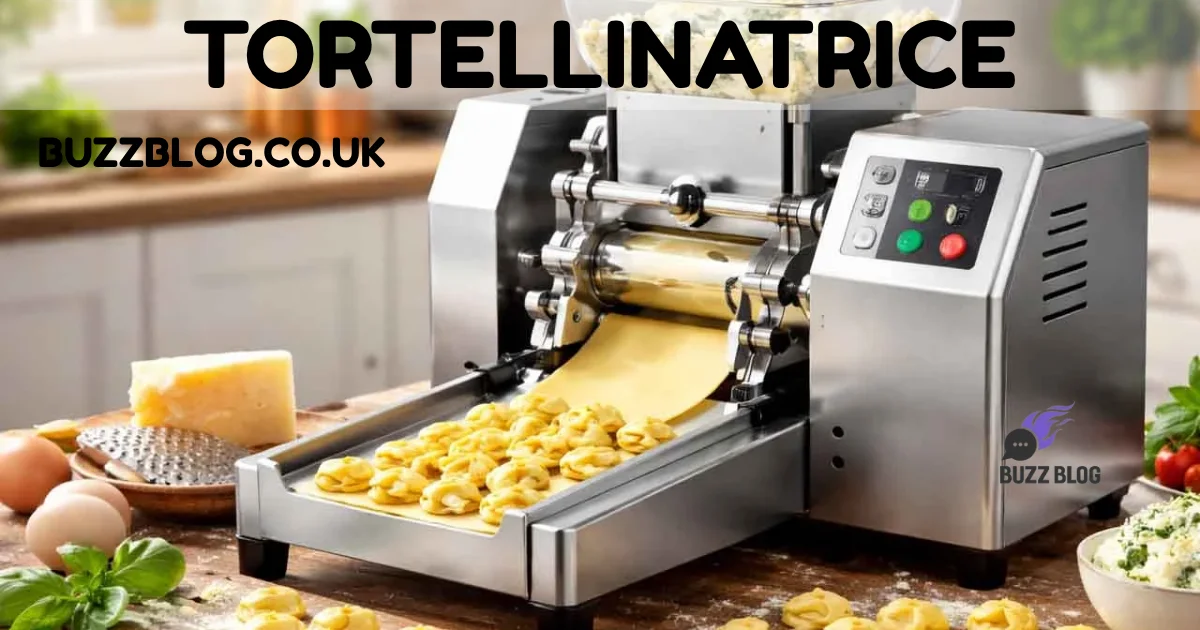
At first glance, a tortellinatrice might look like a complex piece of machinery, but its operation follows a logical and elegant sequence. Imagine a production line where each step flows smoothly into the next—that’s essentially how it works.
The process begins with feeding a sheet of pasta dough into the machine. This dough is typically pre-rolled to a specific thickness, although some advanced machines can handle this step internally. Once inside, the machine uses a filling system—often powered by precision nozzles—to deposit exact portions of filling onto the dough. This ensures that every tortellino has the same amount of stuffing, eliminating guesswork and waste.
Next comes the magic: the folding and shaping stage. Mechanical arms or rollers fold the dough over the filling and form the characteristic ring shape. The machine then seals the edges tightly to prevent leakage during cooking. Finally, cutting mechanisms separate each piece, producing perfectly formed tortellini ready for cooking or packaging .
What makes this process so impressive is its synchronization. Each step is carefully timed and calibrated, ensuring smooth operation and consistent results. It’s like watching a perfectly choreographed dance—except the dancers are gears, rollers, and blades working in harmony.
Key Mechanical Components
Behind this seamless operation lies a set of carefully engineered components. Each part plays a crucial role in ensuring the machine performs efficiently and reliably.
The dough feeder and rollers guide and flatten the pasta sheet, ensuring uniform thickness. The filling hopper and dosing system store and dispense the filling with precision, preventing overfilling or underfilling. Then you have the folding and sealing mechanisms, which replicate the intricate hand movements required to shape tortellini. Finally, cutting blades or molds define the size and shape of each piece .
Modern machines often include advanced features like digital control panels, sensors, and adjustable settings. These allow users to fine-tune parameters such as speed, filling quantity, and dough thickness. The result? A level of control that was unimaginable in traditional pasta-making.
Most machines are also built using food-grade materials like stainless steel, ensuring durability and hygiene. This is especially important in commercial environments where cleanliness and safety are top priorities.
Types of Tortellinatrice Machines
Manual Machines
Manual tortellinatrici are the simplest and most traditional type. They require human involvement at various stages, such as feeding the dough and turning a crank to operate the machine. While they may seem old-fashioned, they offer a level of control that many artisans appreciate.
These machines are typically affordable and compact, making them ideal for home kitchens or small-scale operations. They allow users to feel connected to the process, almost like crafting each piece by hand. However, they are slower and require more effort compared to automated models.
Semi-Automatic Machines
Semi-automatic machines strike a balance between manual control and automation. They handle key tasks like filling and cutting while still requiring some human intervention. This makes them a popular choice for small restaurants and boutique pasta shops.
With these machines, you get improved efficiency without losing too much control. They’re versatile, relatively easy to operate, and capable of producing moderate quantities of tortellini.
Fully Automatic Machines
Fully automatic tortellinatrici are the powerhouse of pasta production. These machines handle everything—from dough feeding to final shaping—with minimal human input. They’re designed for high-volume production and can produce hundreds or even thousands of tortellini per hour .
While they come with a higher upfront cost, their efficiency and consistency make them invaluable in commercial settings. They’re commonly used in large restaurants, catering businesses, and industrial food production facilities.
Key Features of a Tortellinatrice
Adjustable Settings and Controls
One of the standout features of modern tortellinatrici is their flexibility. Users can adjust parameters such as dough thickness, filling quantity, and production speed. This level of customization allows chefs to experiment with different recipes and textures.
Material and Build Quality
Most machines are built with stainless steel and other food-safe materials. This ensures durability, hygiene, and compliance with food safety standards. High-quality construction also means the machine can withstand heavy use over time.
Customization and Modularity
Many models offer interchangeable molds and attachments, allowing users to create different shapes and sizes of pasta. This versatility makes the tortellinatrice a valuable addition to any kitchen, enabling creativity without compromising efficiency .
Benefits of Using a Tortellinatrice
Speed and Efficiency
Speed is where the tortellinatrice truly shines. What might take hours by hand can be accomplished in minutes with a machine. Some models can produce thousands of tortellini per hour, making them indispensable in high-demand environments .
Consistency and Precision
Consistency is crucial in cooking, especially in professional settings. A tortellinatrice ensures every piece is uniform in size, shape, and filling. This not only improves presentation but also ensures even cooking.
Cost and Labor Savings
By automating repetitive tasks, the machine reduces the need for manual labor. This leads to significant cost savings over time. It also minimizes waste by using precise measurements for dough and filling .
Applications and Uses
Home Kitchens
For home cooks, a tortellinatrice makes it easier to experiment with homemade pasta. It simplifies the process, making it accessible even for beginners.
Restaurants and Catering
In restaurants, consistency and speed are essential. A tortellinatrice allows chefs to serve high-quality dishes quickly, improving customer satisfaction.
Industrial Pasta Production
In large-scale production, these machines are indispensable. They enable companies to meet high demand while maintaining quality and efficiency.
Pros and Cons of a Tortellinatrice
Advantages
| Pros | Description |
|---|---|
| Speed | Produces large quantities بسرعة |
| Consistency | Uniform size and shape |
| Efficiency | Saves time and labor |
| Hygiene | Built with food-safe materials |
Limitations
| Cons | Description |
|---|---|
| Cost | High initial investment |
| Maintenance | Requires regular upkeep |
| Learning Curve | Needs training for operation |
Maintenance and Care Tips
Maintaining a tortellinatrice isn’t complicated, but it does require consistency and attention to detail. Regular cleaning is essential, especially since the machine handles fresh dough and fillings that can spoil quickly. Most models are designed with removable parts, making it easier to clean each component thoroughly after use. Skipping this step can lead to hygiene issues and affect the quality of your pasta.
Lubrication is another key aspect. Moving parts need to be properly maintained to ensure smooth operation and prevent wear and tear. Using food-safe lubricants is crucial to avoid contamination. Periodic inspections also help identify potential issues before they become major problems. Checking seals, nozzles, and cutting blades ensures everything is functioning as it should.
Professional servicing is recommended for high-end or industrial machines. This helps extend the lifespan of the equipment and ensures optimal performance. Think of it like maintaining a car—regular care keeps it running smoothly and saves you from costly repairs down the line.
Choosing the Right Tortellinatrice
Selecting the right machine depends on your needs and budget. If you’re a home cook, a compact manual or semi-automatic model might be sufficient. For restaurants, a mid-range machine with higher capacity is ideal. Industrial producers, on the other hand, require fully automatic systems with advanced features.
Consider factors like production capacity, ease of use, and maintenance requirements. It’s also important to think about future needs. Investing in a slightly more advanced machine can provide flexibility as your production grows.
Conclusion
The tortellinatrice is more than just a kitchen tool—it’s a game-changer in the world of pasta-making. By combining tradition with technology, it allows anyone to produce high-quality tortellini بسرعة, consistently, and efficiently. Whether you’re cooking at home or running a large-scale operation, this machine offers unmatched benefits.
Its ability to save time, reduce labor, and maintain consistency makes it an invaluable asset. While there are some drawbacks, such as cost and maintenance, the advantages far outweigh them. In a world where efficiency and quality go hand in hand, the tortellinatrice stands out as a perfect example of innovation meeting tradition.