
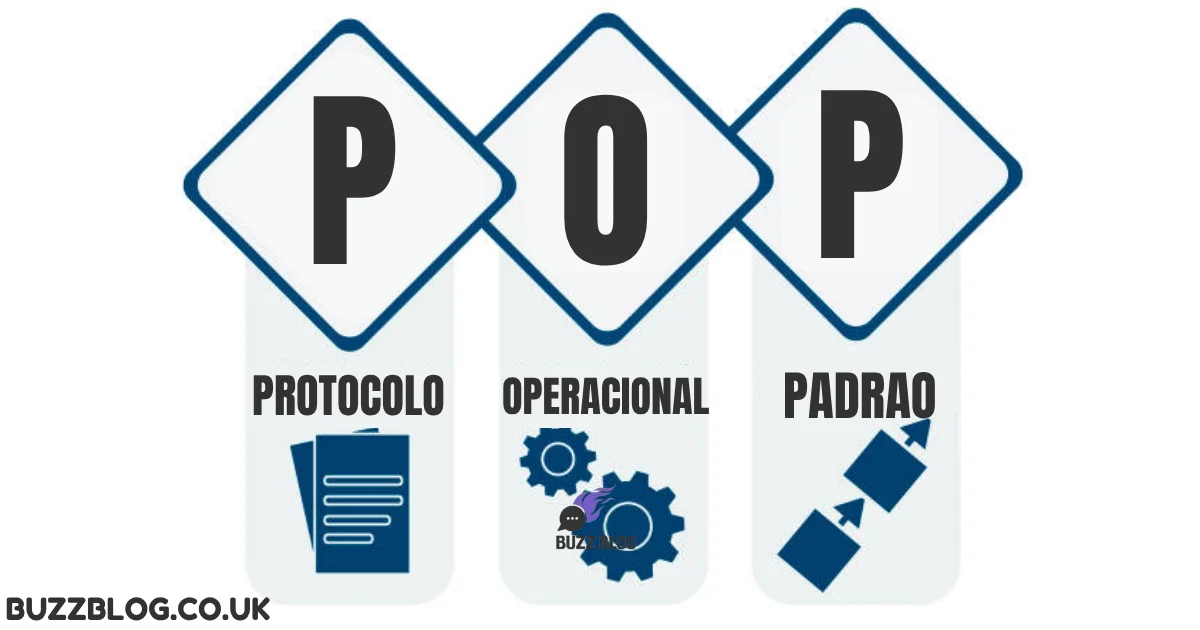
In today’s fast-paced and highly competitive environment, organizations cannot afford inconsistency, confusion, or inefficiency in their operations. This is where a protocolo operacional padrao (POP)—commonly known as a Standard Operating Procedure (SOP)—plays a crucial role. It acts as a structured framework that ensures tasks are performed consistently, efficiently, and in compliance with organizational standards.
This comprehensive guide explores everything you need to know about Protocolo Operacional Padrão, including its definition, importance, components, benefits, and how to implement it effectively.
What is a Protocolo Operacional Padrao (POP)?
A Protocolo Operacional Padrão is a documented set of step-by-step instructions designed to help employees carry out routine operations correctly and consistently. It provides clear guidance on how tasks should be performed, ensuring uniformity across different individuals and departments.
Whether in healthcare, manufacturing, customer service, or IT, POPs serve as a backbone for operational excellence.
Why is POP Important?
Without a well-defined procedure, organizations risk inefficiencies, errors, and miscommunication. A POP helps eliminate ambiguity by clearly outlining expectations.
Key Reasons Why POP Matters:
- Consistency: Ensures tasks are performed the same way every time
- Efficiency: Reduces time wasted on guesswork
- Quality Control: Maintains high standards of output
- Compliance: Helps meet legal and regulatory requirements
- Training: Simplifies onboarding for new employees
Core Components of a POP
A well-structured Protocolo Operacional Padrão typically includes the following elements:
1. Title and Identification
Clearly state the name of the procedure and assign a unique ID for easy reference.
2. Purpose
Explain why the procedure exists and what it aims to achieve.
3. Scope
Define where and when the procedure applies within the organization.
4. Responsibilities
Specify who is responsible for performing, supervising, and approving the tasks.
5. Materials and Tools
List any equipment, software, or resources required.
6. Step-by-Step Instructions
Provide detailed, sequential steps to complete the task.
7. Safety and Compliance Guidelines
Include any precautions or regulatory requirements.
8. Documentation and Records
Explain how results should be recorded and stored.
9. Revision History
Track updates and modifications to keep the document current.
Benefits of Implementing a POP
1. Improved Productivity
Employees spend less time figuring out what to do and more time executing tasks effectively.
2. Reduced Errors
Clear instructions minimize the risk of mistakes and rework.
3. Better Accountability
Defined roles and responsibilities ensure that tasks are properly assigned and tracked.
4. Scalability
Standardized processes make it easier to grow operations without losing quality.
5. Knowledge Retention
Critical knowledge remains within the organization, even when employees leave.
How to Create an Effective POP
Creating a Protocolo Operacional Padrão requires careful planning and collaboration. Here’s a step-by-step approach:
Step 1: Identify the Process
Select a routine or critical process that needs standardization.
Step 2: Gather Information
Consult employees who perform the task regularly to understand real-world workflows.
Step 3: Define the Structure
Use a consistent format for all POPs to ensure clarity and ease of use.
Step 4: Write Clear Instructions
Use simple language, short sentences, and active voice.
Step 5: Add Visuals (Optional)
Flowcharts or diagrams can enhance understanding, especially for complex tasks.
Step 6: Review and Test
Have team members test the procedure to ensure accuracy and usability.
Step 7: Implement and Train
Introduce the POP to the team and provide necessary training.
Step 8: Monitor and Update
Continuously improve the document based on feedback and changing needs.
Best Practices for POP Implementation
- Keep documents simple and concise
- Use standardized templates across departments
- Ensure easy accessibility (digital platforms preferred)
- Regularly review and update procedures
- Encourage employee feedback for continuous improvement
Common Mistakes to Avoid
- Writing overly complex or technical instructions
- Failing to update outdated procedures
- Ignoring input from frontline employees
- Not providing proper training
- Creating documents that are difficult to access
POP Across Different Industries
Healthcare
Ensures patient safety, hygiene protocols, and compliance with regulations.
Manufacturing
Standardizes production processes and maintains quality control.
IT and Software
Defines workflows for system management, troubleshooting, and development.
Customer Service
Maintains consistency in handling customer interactions and complaints.
Conclusion
A well-designed Protocolo Operacional Padrao is more than just a document—it is a powerful tool for driving efficiency, consistency, and quality across an organization. By clearly defining processes and expectations, POPs reduce errors, improve productivity, and create a strong foundation for scalable growth.
Organizations that invest time in developing and maintaining effective POPs position themselves for long-term success in an increasingly competitive world.