
Introduction
What Is Babybelletje?
The Origin of the Mini Cheese Snack
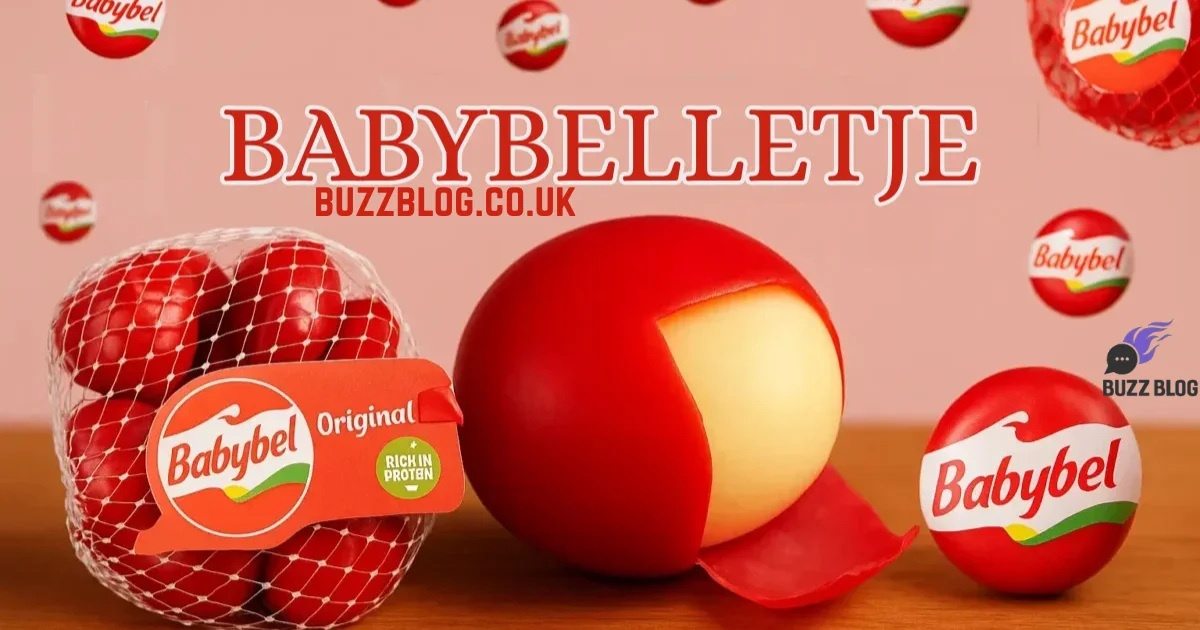
If you’ve ever opened a lunchbox and spotted a tiny round cheese wrapped in bright red wax, chances are you’ve met Babybelletje—the miniature cheese snack that has quietly become a global favorite. Often called Mini Babybel, this bite-sized dairy delight is a small wheel of semi-hard cheese that’s individually wrapped for convenience and freshness. It’s simple, portable, and surprisingly satisfying for something that fits in the palm of your hand.
The story of this little cheese begins with the Bel Group, a French dairy company known for creating convenient cheese snacks for busy lifestyles. What started as a clever way to package cheese soon turned into a worldwide phenomenon. Today, Babybel snacks are sold in more than 50 countries, reaching millions of consumers daily.
Unlike traditional cheese blocks that require slicing or refrigeration management, Babybelletjes are designed for instant enjoyment. Each tiny cheese wheel is sealed inside a protective wax coating that preserves flavor and texture. This unique design makes the snack ideal for school lunches, office breaks, road trips, and even quick post-workout snacks.
Over time, the simplicity of Babybel became its biggest strength. While other snacks compete with flashy marketing or complicated ingredients, Babybelletjes focus on something timeless: real cheese, simple packaging, and a satisfying taste that appeals to both children and adults alike.
Why the Red Wax Cover Became Iconic
The bright red wax coating surrounding Babybel cheese isn’t just packaging—it’s part of the experience. In fact, peeling the wax shell has become almost as enjoyable as eating the cheese itself. The wax protects the cheese from air and bacteria, helping it stay fresh while also making the snack portable and mess-free.
For many people, opening a Babybel feels like unwrapping a tiny present. Kids love pulling the wax apart, while adults often recall childhood memories connected to the snack. This playful interaction has helped Babybel stand out in a crowded snack market.
The wax also plays a practical role. It prevents the cheese from drying out and keeps the portion perfectly sealed until it’s ready to eat. This clever combination of fun and functionality helped transform Babybel into one of the most recognizable cheese snacks in the world.
The History Behind Babybel Cheese
From French Dairy Tradition to Global Brand
The roots of Babybel cheese trace back to traditional French Edam-style cheese, known for its smooth texture and mild flavor. The Bel Group took this classic recipe and transformed it into a snack-friendly format that could travel easily across borders.
What made Babybel revolutionary wasn’t just its taste—it was the concept of portion-controlled cheese. Instead of selling large wheels or blocks, the company introduced small, individually wrapped servings that made cheese more accessible to modern consumers.
This innovation proved incredibly successful. Over the decades, Babybel expanded far beyond Europe and entered markets across North America, Asia, Africa, and the Middle East. The brand’s universal appeal comes from its simplicity: cheese lovers everywhere understand and appreciate a good snack.
Today, Babybel products are produced in several factories worldwide and distributed internationally. The brand has evolved with changing consumer habits, offering new flavors and formats while maintaining the core idea that made it famous: small, delicious cheese portions designed for everyday snacking.
How Mini Babybel Became a Household Name
Mini Babybel’s rise to global recognition didn’t happen overnight. It was built gradually through consistent quality, clever branding, and a deep understanding of consumer habits.
One key factor behind the brand’s success is its focus on convenience. Busy parents looking for healthy snacks for their children quickly embraced the tiny cheese wheels. Unlike sugary snacks or heavily processed foods, Babybel offered something simple and wholesome.
Another reason for its popularity is nostalgia. Many adults who grew up eating Babybel now buy it for their own families. The snack has quietly passed from one generation to another, becoming a familiar part of school lunches and picnic baskets.
With more than two billion Babybel portions sold every year worldwide, the snack has secured its place as one of the most recognizable cheese products on the planet.
Why Babybelletjes Are So Popular Worldwide
Perfect Portion Size for Snacking
In today’s fast-paced world, snacks need to be quick, portable, and satisfying. Babybelletjes tick all three boxes perfectly. Each mini cheese wheel typically weighs around 20 grams, making it the ideal portion for a quick energy boost without overindulging.
Portion control has become an important factor in modern diets. People increasingly look for snacks that help them manage calorie intake while still enjoying flavorful foods. Babybel offers exactly that balance—enough cheese to satisfy cravings without feeling heavy.
This small size also makes the snack extremely versatile. It fits easily in backpacks, handbags, lunchboxes, and even jacket pockets. Whether someone is heading to school, commuting to work, or going hiking, Babybel travels effortlessly.
The convenience factor plays a huge role in the snack’s success. Unlike yogurt cups or protein bars that may require spoons or create crumbs, Babybel can be eaten anywhere with zero mess. Simply peel the wax and enjoy.
The Fun Factor of Peeling the Wax
Let’s be honest—the ritual of peeling the wax is part of the magic. It transforms eating into a playful activity rather than just another snack break.
Kids often shape the wax into small sculptures or playful designs. Adults sometimes admit they still enjoy the same habit decades later. This interactive element makes Babybel unique in the snack industry.
Marketing experts often say that memorable products create emotional connections with consumers. Babybel achieved this naturally through a simple yet clever design. That little red wax shell turns a piece of cheese into an experience.
Nutritional Benefits of Babybel Cheese
Protein, Calcium, and Essential Nutrients
Beyond its playful design, Babybel offers genuine nutritional benefits. Cheese is naturally rich in protein, calcium, and essential vitamins, all of which contribute to healthy bones and muscles.
Here’s a simplified nutritional overview of a typical Mini Babybel portion:
| Nutrient | Approximate Amount (per 20g cheese) |
|---|---|
| Calories | 60–70 kcal |
| Protein | 4–5 g |
| Calcium | ~15% daily value |
| Fat | 5–6 g |
| Carbohydrates | <1 g |
The relatively high protein content makes Babybel appealing for people seeking satisfying snacks that support active lifestyles. Protein helps maintain muscle mass and keeps you feeling full for longer periods.
Many nutrition experts recommend balanced snacks that combine protein and healthy fats, and Babybel naturally provides both. This combination helps stabilize blood sugar levels and prevents sudden hunger spikes.
Is Babybel a Healthy Snack Choice?
Compared to sugary snacks or ultra-processed treats, Babybel is often considered a better snack alternative. It contains real cheese with minimal additives, making it closer to natural dairy products than many packaged snacks.
Recent consumer trends show that people are increasingly choosing high-protein snacks instead of sweets. This shift has helped boost Babybel’s popularity, especially among adults seeking healthier snacking options.
That said, moderation still matters. Cheese contains fat and sodium, so eating several portions in one sitting may not be ideal. When enjoyed as part of a balanced diet, however, Babybel fits comfortably into many healthy eating plans.
Different Types and Flavors of Babybel
Classic Mini Babybel Original
The classic Mini Babybel Original remains the most popular version. It features a mild, creamy flavor that appeals to a wide range of taste preferences. The cheese has a smooth texture and a subtle tanginess that makes it both comforting and versatile.
This flavor’s simplicity is one reason it works so well in lunchboxes. Kids rarely complain about it, and adults appreciate its balanced taste that pairs well with fruits, crackers, or nuts.
Modern Variations Including Plant-Based Options
To keep up with evolving consumer preferences, Babybel has introduced several new varieties. These include different cheese styles and even plant-based alternatives designed for vegan consumers.
Some popular variations include:
- Mozzarella-style Babybel
- Monterey Jack Babybel
- High-protein versions
- Plant-based Babybel made from dairy-free ingredients
This diversification reflects broader changes in the global snack market, where brands must adapt to different dietary lifestyles.
Babybel in the Global Snack Market
Sales Growth and Worldwide Distribution
The success of Babybel is impressive by any measure. With over two billion individual cheese portions sold every year, the brand has become one of the leading snack cheeses worldwide.
The United States has emerged as a particularly strong market. In fact, the U.S. now accounts for roughly one-third of global Mini Babybel sales, demonstrating the brand’s growing popularity outside Europe.
This growth reflects a broader shift in eating habits. Consumers are moving away from large meals toward smaller, frequent snacks. Portable foods like Babybel perfectly fit this lifestyle.
Why Adults Love Babybel Too
Although Babybel is often associated with children, adults have embraced it just as enthusiastically. Office workers keep it in desk drawers, fitness enthusiasts eat it after workouts, and travelers pack it for long journeys.
Part of this appeal lies in nostalgia. Many adults remember eating Babybel during childhood and continue the tradition. The snack offers a comforting sense of familiarity in a rapidly changing food landscape.
Sustainability and New Packaging Innovations
The Shift Toward Recyclable Paper Packaging
Sustainability has become a major focus for food brands, and Babybel is no exception. The Bel Group has announced plans to transition Babybel packaging from cellophane to recyclable paper packaging by 2027.
This initiative aims to reduce plastic use while maintaining the product’s freshness and safety. According to company research teams, the transition required redesigning the entire protective system around the cheese.
The famous red wax coating, however, will remain unchanged because it plays a crucial role in preserving flavor and texture.
Environmental Impact of the Change
Switching to paper packaging is expected to significantly reduce environmental impact. Estimates suggest the change could cut 60% of plastic use and save about 2,500 tons of CO₂ emissions.
For a product that sells billions of portions each year, even small improvements in packaging can make a huge difference. These sustainability efforts reflect a growing expectation among consumers for environmentally responsible products.
Creative Ways to Enjoy Babybelletje
Lunchbox Ideas for Kids
babybelletje cheese works beautifully in children’s lunchboxes because it pairs easily with other foods. A simple combination of apple slices, whole-grain crackers, and a babybelletje wheel creates a balanced snack that includes fiber, protein, and natural sugars.
Parents often appreciate how easy it is to pack. There’s no slicing, wrapping, or worrying about crumbs. Just toss a Babybel into the lunchbox and it’s ready to go.
Snack Recipes Using Babybel Cheese
Although babybelletje is usually eaten on its own, it can also be used creatively in recipes. Some fun ideas include:
- Mini cheese burgers using Babybel as the cheese layer
- Baked Babybel bites coated in breadcrumbs
- Cheese skewers with grapes and cherry tomatoes
- Melted Babybel toast snacks
These simple recipes turn a small cheese wheel into a versatile cooking ingredient.
Why Babybel Remains a Timeless Snack
A Perfect Blend of Taste, Convenience, and Nostalgia
Few snacks manage to stay relevant for decades, but babybelletje has achieved exactly that. Its success comes from a simple formula: good cheese, clever packaging, and a playful eating experience.
The snack fits perfectly into modern lifestyles while still evoking childhood memories. That rare combination of convenience and nostalgia keeps people coming back again and again.
As eating habits continue to evolve toward healthier and more portable foods, babybelletje role in the snack world seems more secure than ever.
Conclusion
Babybelletje may be small, but its impact on the global snack market is anything but tiny. From its French origins to its presence in more than 50 countries, the miniature cheese wheel has become a universal symbol of convenient, enjoyable snacking.
Its popularity stems from several factors: the perfectly sized portions, the iconic red wax wrapper, the mild and satisfying flavor, and the emotional connection many people feel when opening one. These elements combine to create a snack that appeals to both children and adults.
With billions of portions consumed every year and new innovations in flavors, nutrition, and sustainable packaging, Babybel continues to evolve while staying true to its original idea. Sometimes the simplest foods leave the biggest impression—and Babybelletje proves that perfectly.