
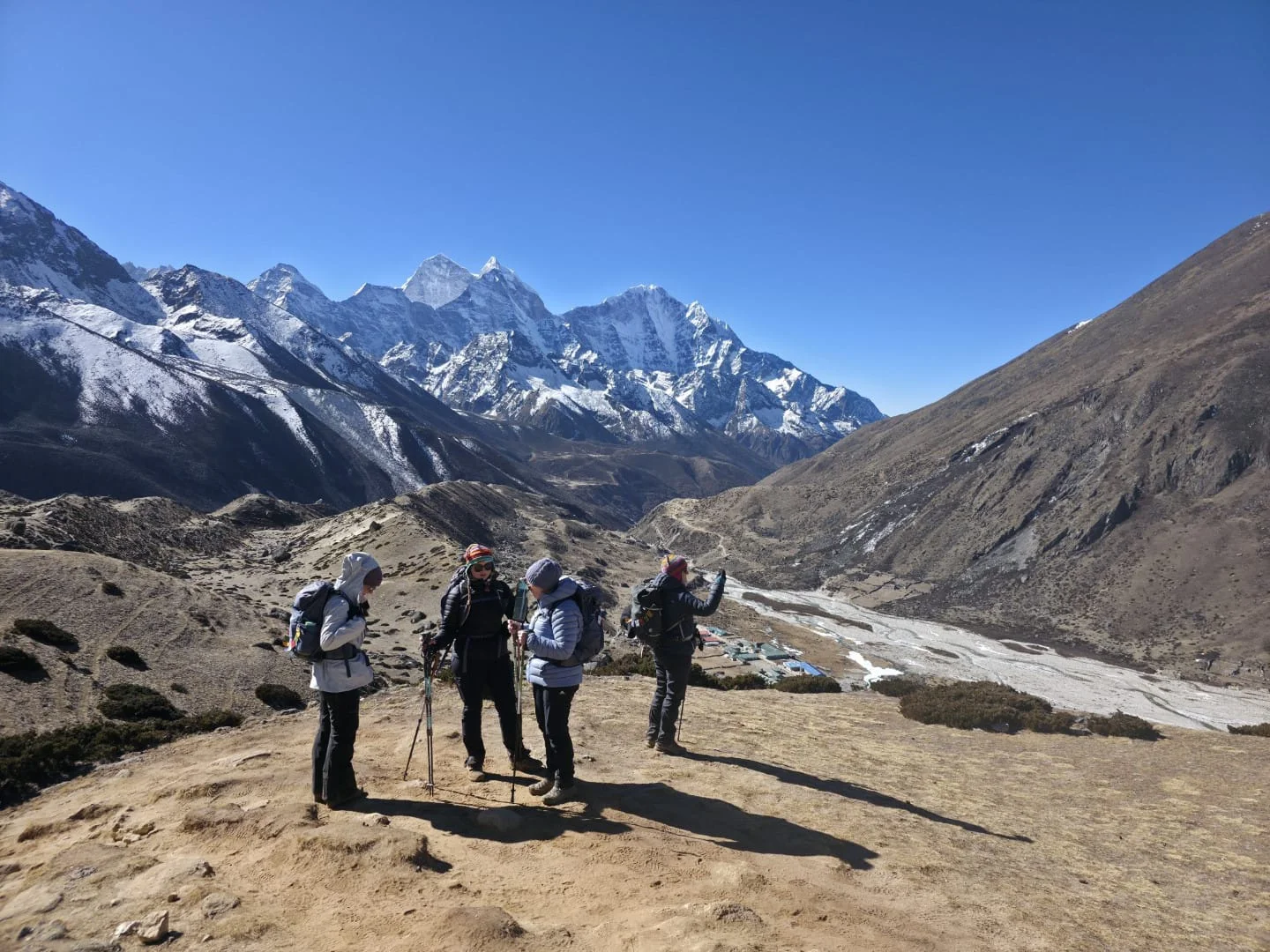
Reaching Everest Base Camp is a dream for many trekkers, but one of the most common questions people ask during the planning stage is simple: which route should I take?
The Everest region offers several different ways to reach base camp, and each route provides a unique trekking experience. Some follow the classic trail through the Khumbu Valley, while others approach the area through quieter valleys and traditional villages that few trekkers see.
Choosing the right route matters more than most people realize. The route you choose affects the scenery you experience, the level of crowding on the trail, the difficulty of the trek, and even how well your body acclimatizes to the altitude. Some routes are ideal for first-time trekkers, while others are better suited for experienced hikers looking for a more adventurous journey.
This guide explains the most important routes used to reach Everest Base Camp. You will learn where each route begins, how the trail progresses through the region, and what makes each option appealing.
Whether you are planning your first trek or comparing different trekking options in the Everest region, understanding these routes will help you make a confident and informed decision.
The Classic Route via Lukla
The Lukla route is the most popular way to reach Everest Base Camp and the trail followed by the majority of trekkers. The journey begins with a short flight from Kathmandu to Lukla, a mountain airstrip located at 2,860 meters.
From Lukla, the trail descends to the Dudh Koshi River and passes through villages such as Phakding, Namche Bazaar, Tengboche, Dingboche, and Lobuche before reaching Gorak Shep and Everest Base Camp.
The classic Everest Base Camp Trek route follows the traditional Khumbu Valley trekking corridor used by climbers and expeditions for decades. It passes through Sagarmatha National Park and offers some of the most recognizable views of Everest, Ama Dablam, Lhotse, and other Himalayan peaks.
Why Many Trekkers Choose the Lukla Route
- The fastest and most direct trekking route to Everest Base Camp
- Well-developed trail with comfortable lodges and tea houses
- Excellent acclimatization schedule with gradual altitude gain
- Famous viewpoints including Namche Bazaar and Tengboche monastery
- Ideal for first-time trekkers visiting the Everest region
- Suitable for trekkers who want a structured itinerary
Because of its accessibility and strong infrastructure, this route remains the most common choice for trekkers visiting Everest Base Camp.
The Classic Approach from Jiri
Before flights to Lukla became common, trekkers reached Everest Base Camp by starting from Jiri. This historic route begins with a long drive from Kathmandu to the town of Jiri in eastern Nepal. From there, the trail gradually climbs through forested hills, terraced farmland, and traditional villages before eventually joining the main Everest trail near Lukla.
The trek from Jiri adds several days to the journey, but it allows trekkers to experience the lower Himalayan foothills before entering the high mountains. The route passes through areas inhabited by different ethnic communities and provides a broader cultural experience.
What Makes the Jiri Route Special
- Offers the original historical approach used by early Everest expeditions
- Excellent acclimatization due to the gradual altitude gain
- Much quieter during the early days of the trek
- Greater cultural immersion through rural villages
- Beautiful transition from subtropical hills to alpine landscapes
- Ideal for trekkers who want a longer and more traditional journey
This route appeals to trekkers who prefer a slower build-up to the Everest region rather than flying directly into high altitude.
The Salleri or Phaplu Route
The Salleri and Phaplu route has become increasingly popular as road access in eastern Nepal improves. Trekkers travel by jeep from Kathmandu to Salleri or Phaplu, which are located in the Solu region below the Khumbu Valley. From here, the trail climbs through villages such as Ringmo and Kharikhola before joining the main Everest Base Camp trail near Lukla.
This route offers a middle ground between the Lukla flight and the longer Jiri trek. It avoids the flight while still providing a gradual approach to the mountains.
Advantages of the Salleri and Phaplu Approach
- Avoids the Lukla flight, which some travelers prefer to skip
- Gradual altitude gain that supports better acclimatization
- Less crowded during the early trekking days
- Opportunity to experience the Solu region before entering Khumbu
- Road access makes logistics simpler for some trekking plans
- Provides a more varied landscape during the early part of the trek
For trekkers who prefer to avoid flights but do not want the full length of the Jiri trek, this route is often a practical alternative.
The Gokyo and Cho La Pass Route
The Gokyo route approaches Everest Base Camp through the beautiful Gokyo Valley before crossing the Cho La Pass to reconnect with the main trail near Lobuche. After reaching Namche Bazaar from Lukla, the trail diverges toward the village of Dole and climbs to the turquoise Gokyo Lakes beneath the massive Ngozumpa Glacier.
Trekkers typically climb Gokyo Ri for panoramic views before crossing the Cho La Pass at approximately 5,420 meters. After descending from the pass, the route merges with the standard trail toward Everest Base Camp.
Key Reasons to Trek via Gokyo and Cho La
- Spectacular views of the Gokyo Lakes and Ngozumpa Glacier
- One of the best panoramic viewpoints in the Everest region from Gokyo Ri
- Less crowded than the main Khumbu trail
- Combines two famous trekking areas in one itinerary
- Provides a more adventurous experience with the Cho La Pass crossing
- Ideal for trekkers seeking variety and dramatic scenery
This route is often chosen by experienced trekkers who want a richer mountain experience rather than following the most direct path.
The Three Passes Route
The Three Passes route is considered the most comprehensive trekking circuit in the Everest region. Instead of following a single valley, this route forms a large loop that crosses three high mountain passes: Kongma La, Cho La, and Renjo La.
The trek begins similarly to the classic route from Lukla to Namche Bazaar. From there, trekkers gradually cross the passes while visiting major locations such as Chukhung Valley, Gokyo Lakes, and Everest Base Camp. This route explores nearly every major landscape in the region.
Why Experienced Trekkers Love the Three Passes Trek
- The most complete trekking experience in the Everest region
- Crosses three major high-altitude passes with dramatic views
- Includes Everest Base Camp, Gokyo Lakes, and several hidden valleys
- Far fewer trekkers compared to the main EBC trail
- Ideal for experienced trekkers looking for a challenging adventure
- Offers some of the best viewpoints of Everest and surrounding peaks
Because of its demanding nature, this route is best suited for trekkers who already have experience at high altitude.
The Arun Valley Route
The Arun Valley route approaches Everest Base Camp from the eastern side of the Himalaya through one of the deepest valleys in Nepal. The trek begins with a flight to Tumlingtar followed by a journey through lush forests and traditional Rai and Sherpa villages.
The trail climbs gradually toward the high mountains before joining the Everest Base Camp route near Pangboche. This path provides a remote trekking experience with very few trekkers compared to the main trails.
Unique Benefits of the Arun Valley Route
- Extremely remote and less crowded trekking experience
- Diverse landscapes ranging from tropical forests to alpine terrain
- Rich cultural exposure in Rai and Sherpa communities
- Excellent acclimatization due to gradual elevation gain
- Unique perspective of the Everest region from the eastern side
- Ideal for trekkers seeking a remote Himalayan journey
Although less common, this route offers one of the most diverse trekking experiences in eastern Nepal.
Practical Insights for Choosing the Best Route
Selecting the right route to Everest Base Camp depends on several practical factors. Your available time is often the first consideration. The Lukla route is the shortest and usually fits within a two week itinerary, while routes such as Jiri or Arun Valley require several additional days.
Experience level is another important factor. First time trekkers often feel more comfortable on the classic Lukla route because of its well established infrastructure and predictable trekking schedule. More experienced hikers may prefer routes such as the Gokyo circuit or the Three Passes trek for the additional challenge and scenery.
Weather conditions can also influence route choice. High passes like Cho La and Kongma La require stable weather and are typically best attempted during the main trekking seasons of spring and autumn.
Another factor to consider is how you want to experience the Everest region. Some trekkers prefer well established routes with comfortable lodges and clear itineraries, while others prefer quieter trails that explore lesser visited valleys and villages.
Finally, think about how important solitude is to you. The classic route offers iconic views and famous landmarks but attracts large numbers of trekkers. Alternative routes provide a quieter experience but may require more time, planning, and physical endurance.
Conclusion
Reaching Everest Base Camp is not limited to a single trail. The Everest region offers multiple routes, each revealing a different side of the Himalaya. The classic Lukla trail provides the fastest and most accessible path, while the Jiri and Salleri approaches offer longer journeys through traditional hill landscapes. Routes through Gokyo Valley or across the Three Passes deliver dramatic alpine scenery and a more adventurous trekking experience.
Understanding these routes helps trekkers choose an itinerary that matches their time, experience, and expectations. Some travelers want the efficiency and comfort of a well supported journey, while others prefer quieter paths that reveal hidden corners of the region.
Whichever route you choose, the reward is the same. Walking through Sherpa villages, crossing glacial valleys, and finally standing beneath the world’s highest mountain is an experience that stays with trekkers for a lifetime. With careful planning and the right route, the journey to Everest Base Camp becomes just as memorable as the destination itself.