
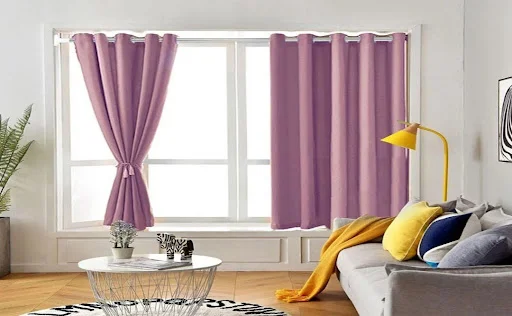
You already know small apartments don’t forgive mistakes easily. Every choice shows up faster. Curtains are one of those things. You hang the wrong ones, and suddenly the room feels lower, tighter, or darker than it really is. You don’t notice it at first, but it eventually catches up. Choosing curtains for small apartments isn’t about style alone. It’s about avoiding visual weight, keeping light moving, and not shrinking the space by accident.
1. Why Size and Light Matter More Than Style Here?
You can like a curtain design and still regret it in a small room. In tight spaces, scale and light do most of the work. Heavy fabrics, wrong lengths, or dark tones can quietly steal space without you realizing why the room feels uncomfortable.
2. Why Do Short Curtains Usually Work Against You?
You might think short curtains help small rooms. They don’t. When curtains stop at the window frame, they cut the wall visually. That makes ceilings feel lower. The room feels boxed.
You usually do better with long curtains that start higher and fall closer to the floor. Even in small apartments, vertical lines help the eye move upward. You don’t gain space physically, but the room feels taller and calmer. You don’t need extra fabric. You need the correct placement.
3. Why Does Fabric Weight Change Everything?
You don’t need thick fabric in small spaces unless light control demands it. Heavy curtains absorb space. They sit there. They don’t move much. That stillness can make a room feel tight.
You’re better off with lighter fabrics. Linen blends. Sheer layers. Soft cotton. These fabrics let light pass and create movement. When sunlight filters through, rooms feel breathable instead of closed. If you need darkness, layering works better than one thick blackout curtain.
4. How Curtain Color Can Make or Break the Room?
You probably like bold colors. In small apartments, though, color behaves differently. Dark curtains pull the walls inward. Busy patterns create noise. That doesn’t mean you must stick to plain white, but subtlety matters more here.
You’ll usually feel better with neutral shades. Soft greys. Warm beige. Light earth tones. These colors reflect light instead of trapping it. They also blend into walls instead of fighting them. You can still add personality elsewhere.
5. Why Are Sheer Curtains Often the Safer Starting Point?
You don’t need full control all the time. In small apartments, daylight is valuable. Sheer curtains protect privacy during the day while keeping the room open.
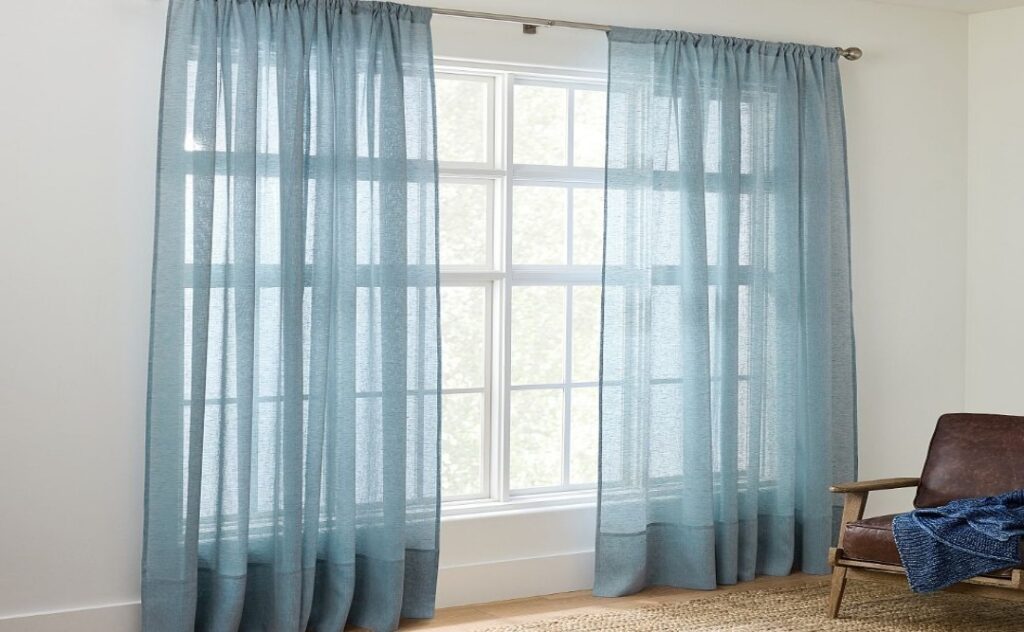
At night, you can add blackout panels if needed. During the day, you keep the space alive. This balance prevents the apartment from feeling closed in. You don’t lose function. You gain flexibility.
6. Where People Usually Go Wrong?
- You might choose curtains that are too wide and let them bunch heavily.
- You might pick thick blackout curtains for every room.
- You might install rods too low and compress the wall visually.
- You might focus only on fabric and forget placement.
These mistakes don’t scream “wrong.” They whisper it every day.
Why Curtain Placement Matters More Than You Think?
You don’t need bigger windows. You need smarter placement. Hanging rods closer to the ceiling creates height. Letting curtains extend past the window frame creates width. Both tricks work quietly but effectively. You don’t change the apartment. You change how it’s perceived.
How Different Rooms Usually Respond?
- In the living area, light fabrics work best. You want openness, not control.
- In bedrooms, blackout curtains are fine, but lighter outer layers help balance.
- In kitchens, simple blinds or short sheers prevent clutter.
- In studio apartments, consistent curtain style keeps the space visually calm.
Maintenance Matters More in Small Homes!
You live closer to everything in a small apartment. Curtains collect dust faster. Heavy fabrics need more care. Light fabrics are easier to wash and reset. You’ll appreciate curtains that don’t demand attention.
Summary
You don’t need dramatic curtains to make a small apartment feel finished. You need thoughtful ones. Curtains that respect light. Curtains that don’t compete with walls. Curtains that quietly support how the space already works. When a small room feels open instead of crowded, the curtains are doing their job perfectly.