
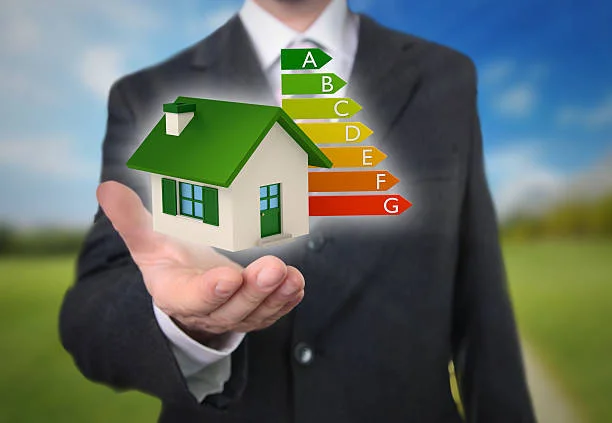
For any site or development to operate smoothly, a robust, forward-thinking facilities strategy should be in place.
Without one, your business may face downtime, high energy waste and reputational risk if operational failures occur.
Here, we’ll explore several simple strategies that will help you future-proof your facilities.
Discover the next insight waiting for you—dive into this related post now!
Choose scalable and adaptable infrastructure
It’s vital to proactively invest in core building infrastructure to ensure business continuity, energy saving and cost control.
For modern sites, this may involve scalable and adaptable infrastructure that supports business requirements as they evolve.
Some options you could consider include:
- Modular systems: These allow you to add capacity in phases rather than over-investing upfront. This may include security systems and modular electrical distribution systems.
- Automation and digital monitoring: Using smart systems, sensors and platforms to detect inefficiencies, optimise performance and reduce energy usage. For example, LED lighting systems with smart controls can be integrated into buildings and adjusted according to usage patterns.
- Vertical and horizontal expansion structures: For example, office buildings with modular floor layouts can be expanded easily or repurposed for different tenant needs.
By choosing adaptable infrastructure, you can protect your investment and ensure you’re not forced into disruptive overhauls as demands change.
Invest in efficient heating systems
An important factor in any building is the heating (and sometimes cooling) system.
Take, for example, the central role of boilers. They consume large volumes of fuel or energy, and their performance directly affects both occupant comfort and business continuity.
If a boiler fails unexpectedly, you may face downtime, scrambling for temporary replacements, inflated emergency call-out costs and tenant dissatisfaction.
For this reason, it may be worth upgrading to energy-efficient boilers that can keep up with the demand of your building.
You can also implement smart control systems and monitoring to predict failures before they happen.
Work with the right service providers
Achieving efficiency and cost savings long-term isn’t a task you can accomplish alone.
You need to partner with the right service providers who offer comprehensive capabilities, such as initial audits, installation expertise and maintenance planning.
This will help ensure your infrastructure is resilient, future-proof and cost-effective.
Selecting the right partners means looking beyond the lowest cost for one-off jobs.
Consider factors like responsiveness, preventative maintenance plans and the ability to support you as your needs change.
Investing smartly in your facilities offers many advantages, such as boosting energy efficiency, enhancing tenant satisfaction and reducing operational downtime.
How will you develop your strategy to enhance business performance?
Spotlight content you shouldn’t miss—check out this featured post right now!