
Introduction to Surah Al-Baqarah
last two ayats of surah al baqarah isn’t just the longest chapter of the Qur’an—it’s like a full course on faith, law, patience, and trust in Allah. And fittingly, it ends with two ayats that feel like a warm embrace after a long journey.
Overview of Surah Al-Baqarah
This surah covers belief, worship, law, morality, and community life. It speaks to the mind and the heart. By the time you reach its final verses, you’ve walked through stories, commands, warnings, and promises.
Importance of the Final Two Ayats
The last two ayats (285–286) are special. They summarize faith, affirm mercy, and teach believers how to speak directly to Allah. Think of them as a spiritual safety net—strong, comforting, and divinely designed.
What Are the Last Two Ayats of Surah Al-Baqarah?
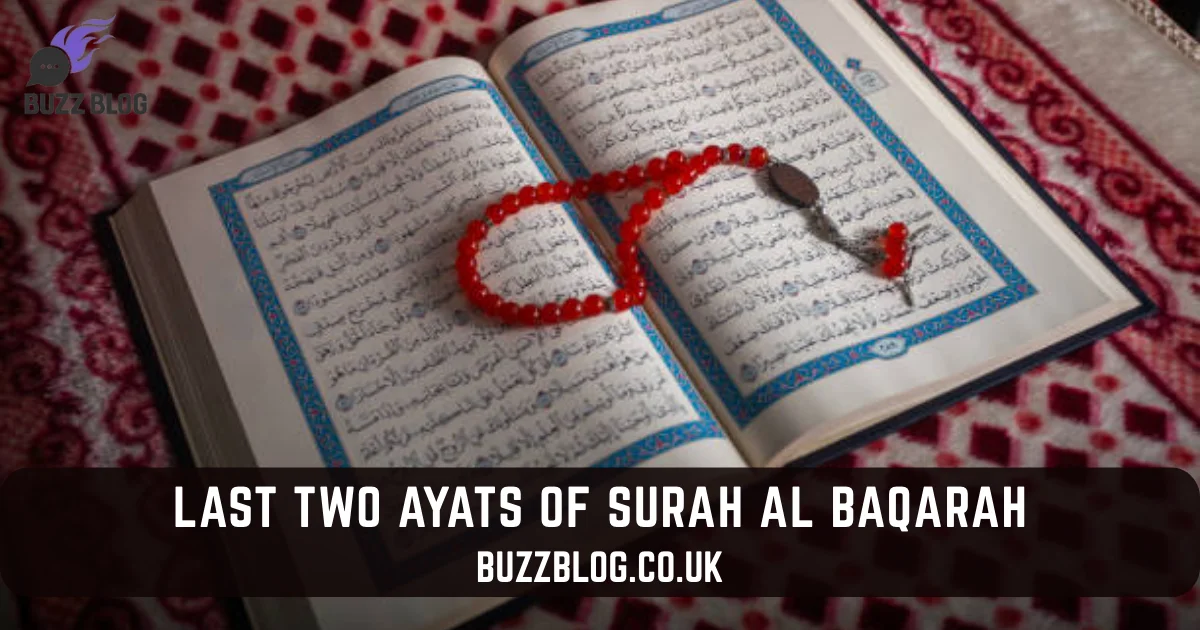
Arabic Text and English Translation
These ayats begin with “The Messenger believes in what has been revealed to him from his Lord…” and end with a powerful supplication asking for forgiveness, mercy, and victory.
Placement in the Qur’an
They conclude Surah Al-Baqarah, acting like a seal—wrapping everything before them into a concise declaration of faith and reliance on Allah.
The Unique Heavenly Origin of the Last Two Ayats
Revelation During Isra and Mi‘raj
Unlike most of the Qur’an, these ayats were not revealed on earth. They were gifted during the miraculous night journey, Isra and Mi‘raj.
Gift Given Directly to Prophet Muhammad ﷺ
Allah gave these ayats directly to the Prophet ﷺ, without Jibreel as an intermediary. That alone tells you how special they are.
Difference from Other Revelations
This heavenly delivery highlights their role as a divine mercy—an exclusive gift for the Ummah.
Virtues Mentioned in Hadith
Protection at Night
The Prophet ﷺ said that whoever recites these two ayats at night, they will suffice him. Protection, peace, and reassurance—all wrapped into a few lines.
Sufficiency and Divine Care
“Suffice” means enough against harm, anxiety, and fear. Like locking your doors spiritually before sleeping.
Detailed Explanation of Ayah 285
Core Message of Faith
This ayah declares belief in Allah, His angels, His books, and His messengers—without picking and choosing.
Belief Without Distinction
Islam rejects selective faith. You don’t accept some prophets and deny others. Faith is whole or it’s broken.
Submission and Obedience
The ayah ends with “We hear and we obey”. It’s faith in action, not just theory.
Detailed Explanation of Ayah 286
Allah’s Mercy and Justice
Allah does not burden a soul beyond what it can bear. This single line has healed countless hearts.
No Burden Beyond Capacity
Every test you face? Allah already knows you can handle it—even when you doubt yourself.
Powerful Supplications Within the Ayah
The ayah teaches believers exactly how to ask: forgiveness, mercy, and help against oppression.
Spiritual Significance of the Last Two Ayats
Emotional Comfort for Believers
These ayats remind you that mistakes don’t define you—turning back to Allah does.
Strengthening Tawakkul (Trust in Allah)
They train the heart to rely fully on Allah, especially when life feels heavy.
Psychological and Emotional Impact
Relief from Guilt and Anxiety
Feeling overwhelmed? These ayats reassure you that Allah knows your limits.
Hope in Divine Mercy
They shut the door on despair and open the window of hope.
Daily Life Lessons from the Last Two Ayats
Accountability with Compassion
Yes, you’re responsible—but Allah is merciful.
Seeking Forgiveness and Help
They teach you to ask boldly and humbly at the same time.
Why Muslims Recite These Ayats Before Sleeping
Protection from Harm
They act like a spiritual shield through the night.
Completing One’s Iman for the Day
Ending the day with surrender brings peace like nothing else.
Comparison with Other Powerful Supplications in the Qur’an
Similarities with Duas of Prophets
Like the duas of Musa and Yunus, they combine humility and hope.
Unique Comprehensive Nature
Few verses cover belief, mercy, law, and dua all at once.
Common Misunderstandings
Are They Enough Without Other Worship?
They’re powerful—but not a replacement for salah or obligations.
Cultural vs Authentic Practice
Recite them with understanding, not just habit.
Scholarly Reflections on the Last Two Ayats
Classical Tafsir Insights
Scholars call them a summary of Islam’s creed and ethics.
Contemporary Reflections
Today, they’re more relevant than ever—addressing stress, guilt, and faith struggles.
How to Internalize the Meaning
Reflective Recitation
Pause. Think. Feel the words.
Teaching Them to Children
They’re a perfect introduction to mercy-centered faith.
Conclusion
The last two ayats of Surah Al-Baqarah are not just verses—they’re a divine gift, a nightly refuge, and a lifelong reminder that Allah is just, merciful, and near. They balance responsibility with compassion and belief with hope. Recite them, understand them, and let them shape your heart.