
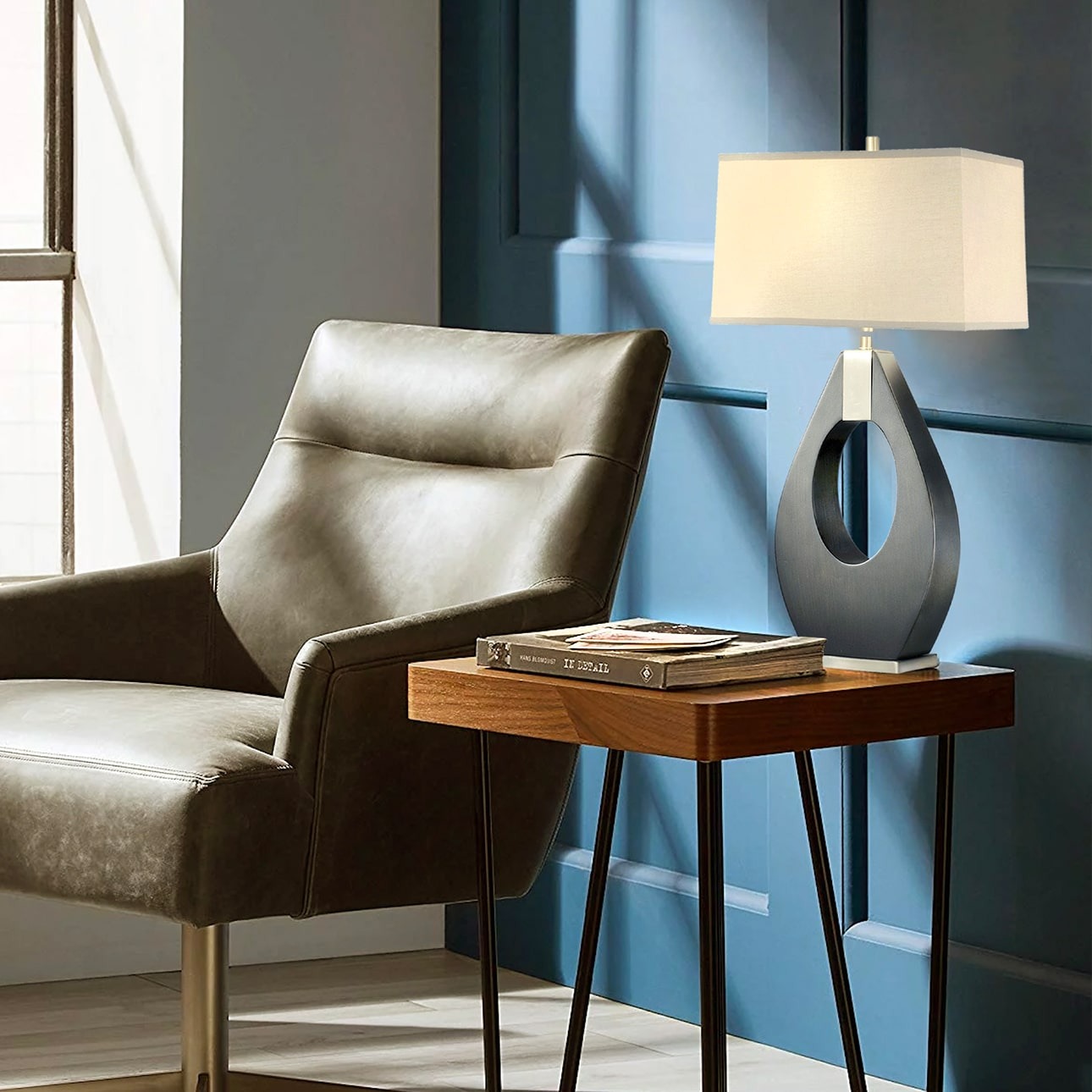
A well-lit living room can transform your space, making it feel open, inviting, and larger than its actual footprint. Conversely, poor lighting choices can shrink a room, creating a cramped and unwelcoming atmosphere. This guide will help you identify common lighting mistakes and offer solutions, focusing on how strategic lighting, particularly with pieces like a Nova of California arc lamp or a classic mid century floor lamp, can dramatically enhance your living room’s sense of spaciousness.
The Foundation of Good Lighting: Layers and Zones
Before diving into common mistakes, it’s crucial to understand the principles of layered lighting. A truly effective lighting scheme isn’t about one bright overhead light; it’s about combining different types of light to create depth, functionality, and ambiance.
- Ambient Lighting: This is your general illumination, providing overall brightness. Think recessed lighting, ceiling fixtures, or even the soft glow from an arc floor lamp.
- Task Lighting: Focused light for specific activities like reading, working, or hobbies. A well-placed table lamp or a directed arc lamp can serve this purpose beautifully.
- Accent Lighting: Designed to highlight architectural features, artwork, or plants, adding visual interest and dimension. Wall sconces, picture lights, or strategically aimed spotlights fall into this category.
By combining these layers, you can create distinct zones within your living room, which is key to making a smaller space feel larger and more versatile.
Mistake 1: Relying Solely on Overhead Lighting
One of the most prevalent lighting errors is depending entirely on a single overhead fixture. This often results in a uniformly bright, flat light that casts harsh shadows and lacks dimension.
Why it makes your room feel small: Without varied light sources, your eyes perceive the boundaries of the room more clearly. The absence of softer light and shadows flattens the space, making it feel box-like and confined. It also fails to create any visual depth or interest.
The fix: Introduce multiple light sources at different heights. Incorporate floor lamps, table lamps, and perhaps even wall sconces. A Nova of California arc lamp is an excellent solution here. Its sweeping design allows you to bring light to seating areas without needing ceiling fixtures directly above, creating a sense of openness and reaching into corners that might otherwise be dark. This type of arc floor lamp provides both ambient and sometimes task lighting, breaking up the uniformity of overhead light.
Mistake 2: Ignoring Corner Spaces
Dark corners are visual dead ends. They absorb light and make the room appear to shrink in on itself.
Why it makes your room feel small: Unlit corners create shadows that visually compress the room. Your perception of the room’s size is often influenced by the extent of visible space. Dark corners suggest less usable space.
The fix: Illuminate your corners! A tall, slender arc floor lamp can be perfect for this. It fills vertical space without occupying much floor area, and its light can reflect off walls, bouncing illumination back into the room. A corner can also be a great spot for a plant with an uplight, or even a small accent table with a stylish table lamp. Think about how a mid century floor lamp with an interesting shade could become a focal point while brightening a neglected corner.
Mistake 3: Choosing the Wrong Bulb Temperature
Light temperature, measured in Kelvin (K), significantly impacts the mood and perceived size of a room. Warm light (lower K values, around 2700-3000K) feels cozy, while cool light (higher K values, 4000K+) is more energizing.
Why it makes your room feel small: Using overly cool or harsh white light in a residential setting can make a room feel sterile and less inviting, which in turn can feel less spacious. Conversely, light that is too dim or too warm can make a room feel enclosed and heavy.
The fix: Aim for a balanced light temperature in your living room, generally in the warm to neutral white range (2700K to 3500K). This creates a comfortable and inviting atmosphere without sacrificing clarity. Consider using dimmers on your lights, including your Nova of California arc lamp, so you can adjust the warmth and intensity to suit different times of day and activities.
Mistake 4: Insufficient Lumens and Poor Brightness Distribution
Lumen output determines the brightness of a light source. If your lights aren’t bright enough for the size of your room, you’ll end up with a perpetually dim space.
Why it makes your room feel small: A dim room feels smaller because shadows dominate and details recede. Your eyes struggle to take in the full extent of the space, giving the impression of confinement.
The fix: Ensure your lighting provides adequate lumens for the size of your living room. This doesn’t mean blinding brightness, but rather sufficient light distributed effectively. Use a combination of sources, ensuring each contributes to the overall illumination. A large arc floor lamp, especially one designed for ambient light, can contribute significantly to the overall lumen output, brightening up a substantial area from a single point. When selecting a Nova of California arc lamp, pay attention to its light output to ensure it meets the needs of your space.
Mistake 5: Overlooking the Power of Reflective Surfaces
Mirrors, glossy finishes, and even light-colored walls and furniture are powerful tools for maximizing light and space.
Why it makes your room feel small: Dark, matte surfaces absorb light, making a room feel heavy and enclosed. Without reflective elements, light sources struggle to spread their illumination effectively.
The fix: Incorporate reflective surfaces. A large mirror strategically placed can bounce light from a window or an arc lamp deep into the room, creating an illusion of expanded space. Consider light-colored paint, furniture with reflective accents, or even glass-topped tables. The metallic base or shade of a mid century floor lamp can also subtly reflect light, adding to the room’s brightness.
Mistake 6: Placing Lamps Only Against Walls
Lining up all your lamps against the walls creates an unbroken perimeter of light that emphasizes the room’s boundaries, making it feel more contained.
Why it makes your room feel small: This setup often leaves the center of the room relatively dark and highlights the perimeter, which can visually reinforce the room’s dimensions rather than expanding them.
The fix: Pull some light sources away from the walls. A Nova of California arc lamp is a perfect example of how to achieve this. Its design allows the light source to “float” over a seating area, bringing light into the middle of the room. This breaks up the continuous line of light along the walls and creates a more dynamic and expansive feel. Consider placing a table lamp on a coffee table or a sofa table as well.
Mistake 7: Ignoring Vertical Space with Lighting
Many people only consider lighting at eye level or below, forgetting the impact of upward-directed light.
Why it makes your room feel small: If your ceiling is left in darkness, it can feel like a heavy lid on the room, pressing down and making the space feel shorter and more cramped.
The fix: Introduce uplighting. This could be achieved with wall sconces that direct light upwards, or floor lamps with an uplight component. Even a simple floor lamp placed strategically can bounce light off the ceiling, creating an illusion of height and making the room feel more airy. Some arc floor lamps can provide a good amount of diffused ambient light that helps brighten the ceiling.
Mistake 8: Cluttering the Floor with Too Many Lamps
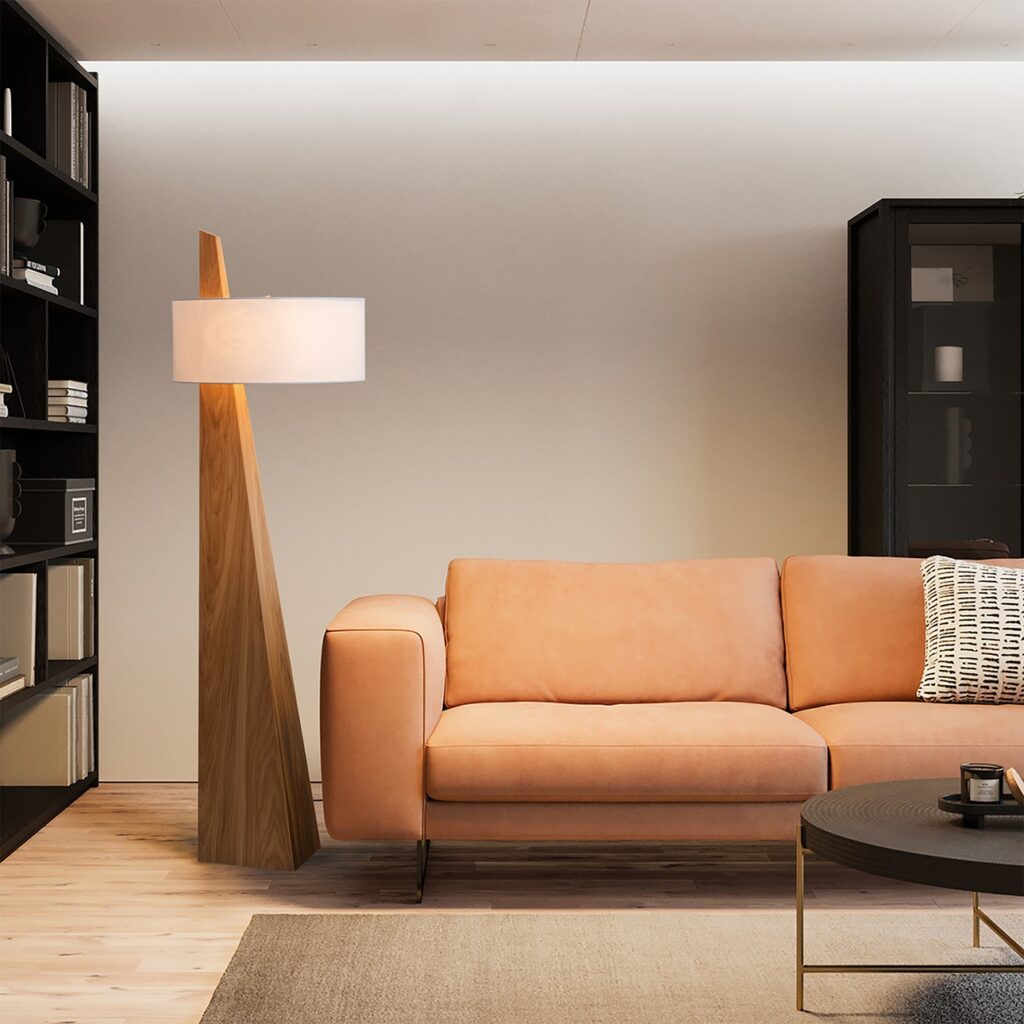
While layered lighting is crucial, too many bulky lamps can actually make a room feel cramped.
Why it makes your room feel small: If your floor space is taken up by numerous large lamp bases, the room will undoubtedly feel smaller and more cluttered. This is especially true in smaller living rooms.
The fix: Be selective with your lamp choices. Opt for slender designs or lamps that serve multiple purposes. This is where an arc floor lamp shines. One Nova of California arc lamp can provide light for a sofa and potentially a reading chair, reducing the need for multiple smaller lamps. Look for minimalist designs, characteristic of a mid century floor lamp, which can provide light without adding visual bulk.
Mistake 9: Lack of Dimmers and Adjustability
Static lighting, where all lights are either on or off at full brightness, limits your ability to adapt the room’s atmosphere.
Why it makes your room feel small: A room that is consistently over-lit can feel harsh and uninviting, while a perpetually dim room feels closed off. The inability to adjust brightness prevents you from creating a nuanced lighting scheme that adapts to different needs.
The fix: Install dimmers on as many of your light sources as possible, especially on your ambient and task lighting. This allows you to control the intensity and mood of the room. A dimmer on your arc lamp can transform it from a bright task light to a subtle ambient glow, making the room feel more expansive or intimate as needed. Smart lighting systems also offer incredible flexibility for adjusting brightness and color temperature.
Mistake 10: Forgetting About Natural Light
While artificial lighting is our main focus, how you manage natural light significantly impacts how large your living room feels during the day.
Why it makes your room feel small: Heavy, dark curtains that block natural light, or cluttered windowsills, can make a room feel dark and claustrophobic even in daylight hours.
The fix: Maximize natural light wherever possible. Use sheer curtains or blinds that allow light to filter through, or opt for drapes that can be pulled completely away from the window during the day. Keep windowsills clear to avoid obstructing light. Think about how the placement of your Nova of California arc lamp might complement or extend the reach of natural light in the evening.
Table: Common Lighting Mistakes & Solutions
| Lighting Mistake | Why it Makes Your Room Feel Small | Solution |
| Solely Overhead Lighting | Flat light, harsh shadows, lacks dimension, reinforces boundaries | Implement layered lighting with ambient, task, and accent lights. Introduce floor lamps, table lamps, and especially an arc floor lamp like a Nova of California arc lamp to bring light into the center of the room and create depth. |
| Ignoring Corner Spaces | Creates dark “dead ends” that visually compress the room | Illuminate corners with a tall, slender arc lamp, a small table lamp, or an uplight for plants. A mid century floor lamp can add style while brightening these areas. |
| Choosing the Wrong Bulb Temperature | Overly cool light feels sterile, too warm feels heavy/enclosed | Aim for warm to neutral white light (2700K-3500K). Use dimmers to adjust warmth and intensity. |
| Insufficient Lumens / Poor Brightness | Dim rooms feel smaller, shadows dominate, details recede | Ensure adequate brightness with multiple light sources. A powerful arc floor lamp can provide significant ambient light, brightening a large area effectively. |
| Overlooking Reflective Surfaces | Dark surfaces absorb light, room feels heavy and enclosed | Incorporate mirrors, glossy finishes, and light-colored walls/furniture to bounce light. A metallic base on an arc lamp can also subtly reflect light. |
| Placing Lamps Only Against Walls | Emphasizes room boundaries, leaves center dark | Pull light sources away from walls. A Nova of California arc lamp is ideal for extending light over seating areas, breaking the wall-line. Use table lamps on coffee or sofa tables. |
| Ignoring Vertical Space with Uplighting | Dark ceilings feel heavy, “press down” on the room | Introduce uplighting with wall sconces, floor lamps with uplight components, or even by bouncing light from an arc lamp off the ceiling. |
| Cluttering Floor with Too Many Bulky Lamps | Occupies precious floor space, makes room feel cramped | Be selective; opt for slender designs or multi-functional lamps. A single arc floor lamp can often replace multiple smaller lights, providing broad coverage without clutter. |
| Lack of Dimmers and Adjustability | Static lighting prevents adaptable ambiance, limits perception | Install dimmers on most light sources, including your arc lamp. This allows for flexible adjustment of brightness and mood, making the room feel more expansive or intimate as desired. |
| Forgetting About Natural Light (Daytime Impact) | Heavy curtains or cluttered windows block light, feel claustrophobic | Maximize natural light with sheer curtains or by fully opening drapes. Keep windowsills clear. Position artificial lights to complement natural light in the evenings. |
FAQ: Making Your Living Room Feel Bigger with Lighting
Q1: What’s the best type of floor lamp for a small living room to make it feel bigger?
A1: An arc floor lamp is exceptionally effective for small living rooms. Its design allows the light source to extend over your seating area, bringing light into the center of the room without taking up valuable floor space directly beneath it. A slender Nova of California arc lamp is a perfect example, offering both style and functionality without clutter.
Q2: Should all my lights be the same brightness?
A2: No, having varied brightness levels is key to layered lighting, which helps make a room feel larger and more dynamic. Use dimmers to control the intensity of different light sources. Your overhead ambient light might be brighter, while a table lamp for reading could be more focused. An arc lamp with an adjustable head can easily switch between ambient and task lighting.
Q3: How can I use a Nova of California arc lamp to create more space visually?
A3: A Nova of California arc lamp can dramatically increase the perceived size of a room. Place it behind a sofa or an armchair, allowing its arc to sweep over the seating. This draws the eye upwards and outwards, creating visual depth and bringing light into areas that would otherwise remain dim. It visually connects different parts of the room and eliminates the need for multiple smaller lamps, reducing clutter.
Q4: Is warm or cool light better for making a room feel larger?
A4: Neither is definitively “better,” but balance is key. Very cool, stark white light can make a room feel sterile and less inviting, while overly warm, dim light can make it feel enclosed. A neutral to warm white light (around 2700K-3500K) is generally recommended for living rooms. The most important thing is adjustability – use dimmers to fine-tune the temperature and brightness of your lights, including your mid century floor lamp or arc floor lamps for living room.
Q5: My living room has a low ceiling. Can lighting help it feel taller?
A5: Yes! Incorporate uplighting to direct light towards the ceiling. This illuminates the ceiling, making it appear higher and “lifting” the room. Wall sconces that shine upwards, or floor lamps with an uplight component, are excellent for this. Even a well-placed arc lamp can bounce some light off the ceiling, contributing to this effect.
Q6: How many light sources should a living room have?
A6: As a general rule, aim for at least three to five different light sources in a living room, depending on its size. This allows for effective layering of ambient, task, and accent lighting. For example, you might have recessed lighting (ambient), a Nova of California arc lamp (ambient/task), a couple of table lamps (task/accent), and perhaps a picture light (accent). The goal is balance and versatility, not just quantity.
Q7: Can a mid century floor lamp help with making a room feel larger?
A7: Absolutely. Many mid century floor lamp designs are characterized by their sleek lines, often with a focus on height and elegant forms. A tall, slender mid century floor lamp can add vertical interest, drawing the eye upwards and making the room feel taller. If it’s an arc lamp style, even better, as it also addresses the issue of bringing light into the center of the room. The distinctive design can also serve as a stylish focal point without adding visual bulk.