
Introduction
What Is a Museumsaufsicht Job?
Meaning of the Term “Museumsaufsicht”
The Museumsaufsicht job is a unique role within museums and cultural institutions, especially common in countries such as Germany, Austria, and Switzerland. The word “Museumsaufsicht” literally translates to “museum supervision” or “museum attendant.” At first glance, the role may seem simple—standing in galleries and observing visitors—but the reality is far more complex and meaningful.
A Museumsaufsicht professional acts as the guardian of a museum’s treasures while simultaneously serving as a friendly guide for visitors. Museums contain valuable artifacts, historical objects, and priceless works of art. These items are often fragile, irreplaceable, and culturally significant. Because of this, museums require dedicated staff to monitor exhibitions and ensure that visitors follow rules designed to protect these collections.
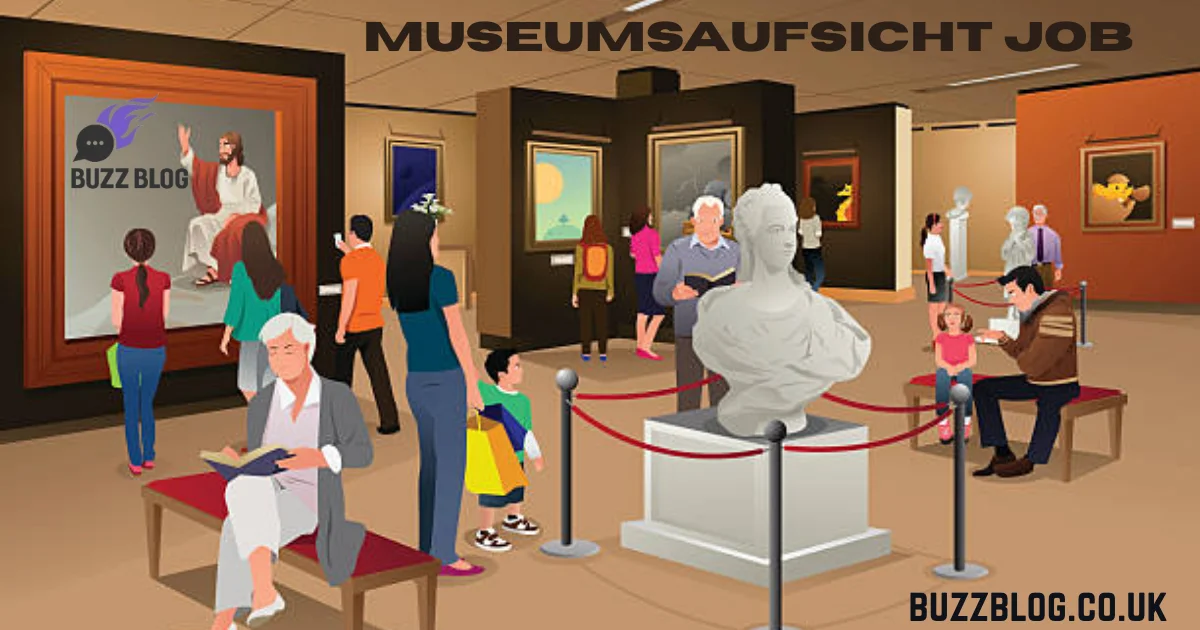
Imagine walking through a famous art gallery. The paintings, sculptures, and installations are carefully displayed, but without supervision they could easily be damaged. The Museumsaufsicht ensures this doesn’t happen. They maintain order in exhibition halls, prevent accidental damage, and respond quickly if any issues arise.
Another fascinating aspect of this role is its connection to public engagement. Museumsaufsicht staff often interact directly with visitors, answering questions, giving directions, and sometimes even sharing interesting facts about the exhibits. In this way, they become an essential bridge between the museum and its audience.
Why Museumsaufsicht Roles Are Important in Museums
Museums are more than buildings filled with artifacts. They are cultural institutions responsible for preserving history, art, and knowledge for future generations. The Museumsaufsicht job plays a critical role in protecting this heritage while ensuring visitors have a safe and enjoyable experience.
One of the main responsibilities of museum attendants is to monitor visitor behavior. People often become excited when they see famous artworks or rare historical objects. Sometimes they may get too close to displays or attempt to touch items that must remain untouched. Museumsaufsicht professionals politely intervene in such situations, reminding visitors of museum rules while maintaining a welcoming atmosphere.
Security is another vital aspect of the job. Museums house collections worth millions—or even billions—of dollars. Attendants must stay alert at all times to detect suspicious behavior or potential risks. Their presence alone often acts as a deterrent against theft or vandalism.
Statistics from industry reports suggest that entry-level Museumsaufsicht positions in Germany typically earn between €12 and €15 per hour, depending on experience and the institution’s size. This may not make headlines for high salaries, but the role offers something equally valuable: direct involvement in cultural preservation and public education.
Beyond security and visitor management, Museumsaufsicht staff contribute to the overall atmosphere of a museum. A friendly smile, helpful guidance, or a quick explanation about an exhibit can transform an ordinary visit into a memorable experience.
Key Responsibilities of a Museumsaufsicht
Monitoring Exhibitions and Artifacts
The core responsibility of a Museumsaufsicht professional is to monitor exhibition spaces and ensure the safety of artifacts. Museums contain objects that can be extremely delicate, including ancient manuscripts, sculptures, textiles, and paintings that are hundreds of years old. Even minor physical contact or environmental changes could damage them permanently.
To prevent this, museum attendants maintain constant awareness of their surroundings. They carefully observe visitors as they move through galleries, ensuring that no one touches restricted exhibits or crosses protective barriers. Their job requires a sharp eye for detail and the ability to remain attentive for extended periods.
Imagine standing in a gallery containing priceless artwork. Visitors wander through the space, taking photographs and admiring displays. At first glance, the environment appears calm and quiet. Yet beneath this calm surface, the Museumsaufsicht is constantly analyzing what’s happening—watching body language, spotting unusual behavior, and ensuring everything runs smoothly.
Technology also plays a role in this responsibility. Many museums now use surveillance cameras and alarm systems, but these tools cannot replace human observation. Cameras may capture events, but attendants respond in real time. Their quick reactions can prevent incidents before they escalate.
In many institutions, Museumsaufsicht staff also perform regular walkthroughs of exhibition areas. During these checks, they ensure that display cases remain secure, lighting is functioning properly, and no objects have been disturbed.
Assisting and Guiding Visitors
While security is a major part of the job, Museumsaufsicht professionals are also ambassadors of the museum. Visitors often approach them with questions about exhibits, directions within the museum, or information about museum rules.
This interaction requires strong communication skills. Attendants must be approachable and patient, even when dealing with large crowds or confused visitors. A simple question like “Where is the next exhibition room?” or “Can I take photos here?” becomes an opportunity to help guests feel welcome.
In many cases, Museumsaufsicht staff also assist with accessibility needs. They may guide visitors with disabilities, help families navigate the museum, or provide information about available facilities such as restrooms or cafés.
Museums frequently attract international visitors, particularly in major tourist cities. For this reason, many institutions prefer staff who speak multiple languages, especially German and English. This ability helps ensure that guests from different countries receive clear instructions and feel comfortable exploring the museum.
The interaction between attendants and visitors often shapes the overall perception of a museum. A helpful conversation can transform a routine visit into an engaging cultural experience.
Maintaining Security and Safety
Security responsibilities extend beyond protecting artworks. Museumsaufsicht staff are also responsible for maintaining a safe environment for everyone in the building.
For example, attendants must respond to emergencies such as medical incidents, fire alarms, or evacuation procedures. Museums typically provide training in emergency response, ensuring staff know how to guide visitors safely out of the building when necessary.
Another important aspect of safety is crowd management. Popular exhibitions can attract thousands of visitors per day, particularly during peak tourist seasons. Attendants help regulate visitor flow, preventing overcrowding in certain areas and ensuring that everyone can move comfortably through galleries.
Physical stamina is essential for this role because attendants often spend long hours standing or walking through exhibition halls. Some may walk several kilometers during a single shift while monitoring different galleries.
Despite these challenges, many people enjoy the calm and structured environment of museum work. Unlike fast-paced retail or hospitality jobs, the museum atmosphere tends to be quieter and more focused on culture and learning.
Supporting Museum Operations
Beyond supervision and visitor interaction, Museumsaufsicht staff contribute to various operational tasks within the museum. These tasks may include assisting during exhibitions, supporting special events, or helping coordinate visitor services.
Museums often host lectures, workshops, and guided tours. During these events, attendants may help manage entry lines, direct participants to the correct locations, or ensure that equipment and seating arrangements are properly set up.
They may also collaborate with other departments such as security teams, curators, and administrative staff. Communication between these departments helps ensure exhibitions run smoothly and visitors have a positive experience.
Because of this collaborative environment, many people view the Museumsaufsicht role as an excellent entry point into the museum industry. It provides firsthand exposure to how museums operate behind the scenes.
Daily Work Environment of a Museumsaufsicht
Typical Work Settings
The daily work environment of a Museumsaufsicht professional is usually calm, structured, and culturally rich. Most attendants work inside museum galleries or exhibition halls surrounded by artworks, historical artifacts, or scientific displays.
Each museum has its own unique atmosphere. Art museums may feature quiet, dimly lit galleries filled with paintings and sculptures. History museums may contain large installations, historical documents, and interactive exhibits. Science museums often include educational displays and interactive learning areas for children.
Despite these differences, the core working environment remains similar. Museumsaufsicht staff typically spend their shifts monitoring specific areas of the museum. They may stand near important exhibits or patrol several rooms during scheduled rounds.
Working conditions can vary depending on the institution. Some attendants wear uniforms to maintain a professional appearance and ensure visitors can easily identify them. Others may wear standard business attire, particularly in smaller museums.
While the environment is generally calm, it still requires constant alertness. Museums attract diverse visitors—from school groups and tourists to researchers and art enthusiasts. Each group brings different needs and expectations.
Work Schedules and Shifts
Museums usually operate seven days a week, especially in major cities. As a result, Museumsaufsicht jobs often involve flexible schedules, including weekends, evenings, and public holidays.
Many institutions offer part-time and full-time positions. Students or individuals seeking flexible work hours often choose part-time roles. Full-time positions may include additional benefits such as paid leave or training opportunities.
A typical shift lasts between six and eight hours, depending on the museum’s schedule. During busy seasons—such as summer holidays or special exhibitions—staff may experience higher visitor volumes.
Despite these irregular hours, many attendants appreciate the predictable structure of museum schedules. Unlike industries that require constant overtime, museums generally maintain organized shift systems.
Essential Skills Required for a Museumsaufsicht Job
Communication and Customer Service Skills
One of the most important skills for a Museumsaufsicht professional is effective communication. Visitors approach attendants with questions, concerns, and requests throughout the day. The ability to respond clearly and politely is essential.
Good customer service goes beyond simply answering questions. It involves creating a welcoming atmosphere where visitors feel comfortable exploring the museum. A friendly attitude, patience, and empathy all contribute to positive interactions.
For example, imagine a family visiting a museum for the first time. They may feel unsure about where to start or how to navigate the building. A helpful Museumsaufsicht can guide them toward the most interesting exhibits and explain important rules.
Attention to Detail and Vigilance
Another key skill is strong observational ability. Museumsaufsicht staff must constantly monitor their surroundings to ensure exhibits remain safe.
This skill involves noticing small details that others might overlook. For instance, an attendant might spot a visitor leaning too close to a display case or attempting to touch an artifact. Early intervention prevents accidents and protects valuable objects.
Maintaining focus for long periods can be challenging, especially in quiet galleries. However, experienced attendants develop techniques to stay alert while maintaining a calm presence.
Cultural Awareness and Professional Conduct
Museums attract people from diverse cultural backgrounds. As a result, Museumsaufsicht professionals must demonstrate cultural sensitivity and professionalism at all times.
Understanding cultural differences helps attendants interact respectfully with international visitors. It also helps them explain museum policies without causing misunderstandings.
Professional conduct is equally important. Attendants represent the museum and must maintain a respectful demeanor even in challenging situations.
Qualifications and Training Requirements
Education and Certifications
One interesting aspect of the Museumsaufsicht job is that it does not always require a university degree. Many museums hire attendants with a high school diploma or equivalent education.
However, certain certifications may be required depending on the country. In Germany, for example, some positions require the §34a security certification, which covers legal responsibilities, security practices, and emergency procedures.
Training programs for this certification typically include around 40 hours of instruction covering topics such as law, accident prevention, and data protection.
Language Skills and Cultural Knowledge
Language skills are extremely valuable in museum environments. Many institutions prefer candidates who can communicate with international visitors.
Fluency in German and English is often considered ideal, especially in tourist-heavy cities. Additional languages can further increase employment opportunities.
Cultural knowledge is another advantage. Candidates with backgrounds in art history, archaeology, or cultural studies often find it easier to engage with visitors and understand the significance of exhibits.
Salary Expectations and Benefits
Average Salary for Museumsaufsicht Jobs
Salary levels for Museumsaufsicht roles vary depending on the country, city, and type of institution. In Germany, entry-level attendants typically earn between €12 and €15 per hour, while experienced staff may earn higher wages.
Some positions offer monthly salaries ranging from €2,000 to €2,800, depending on experience and responsibilities.
Here is a general overview of salary ranges:
| Experience Level | Average Salary |
|---|---|
| Entry-Level | €12–€14 per hour |
| Mid-Level | €15–€18 per hour |
| Senior/Supervisor | €19–€22+ per hour |
Factors Affecting Pay
Several factors influence salary levels in the Museumsaufsicht profession:
- Location: Museums in major cities tend to offer higher wages.
- Experience: Senior attendants or supervisors earn higher salaries.
- Institution Type: Government-funded museums often provide better benefits.
- Employment Status: Full-time roles typically include additional benefits such as paid leave and training.
Although the salary may not be extremely high compared to other professions, many people value the cultural environment and stable working conditions offered by museums.
Career Opportunities and Advancement
Entry-Level Opportunities in Museums
The Museumsaufsicht job is widely considered a gateway into the museum industry. Many professionals begin their careers in this role before moving into specialized positions.
Working as an attendant allows employees to learn about museum operations, visitor management, and exhibition organization. This hands-on experience provides valuable insight into how cultural institutions function.
Long-Term Career Growth in the Cultural Sector
With experience and additional education, Museumsaufsicht professionals can pursue a variety of career paths within the cultural sector.
Possible career advancements include:
- Visitor Services Manager
- Museum Educator
- Exhibition Coordinator
- Security Supervisor
- Curatorial Assistant
These roles involve greater responsibility and often require specialized training or academic qualifications.
Conclusion
The Museumsaufsicht job may appear simple at first glance, but it is actually a multifaceted role that combines security, customer service, and cultural engagement. Museum attendants protect priceless artifacts, guide visitors through exhibitions, and help maintain the smooth operation of cultural institutions.
For individuals who appreciate art, history, and public interaction, this profession offers a rewarding environment filled with learning opportunities. Although the salary may not be extremely high at entry level, the experience gained can open doors to numerous careers within the museum and cultural heritage sector.
Whether you dream of working with historical artifacts, interacting with international visitors, or building a long-term career in museums, the museumsaufsicht job role provides a valuable starting point.