
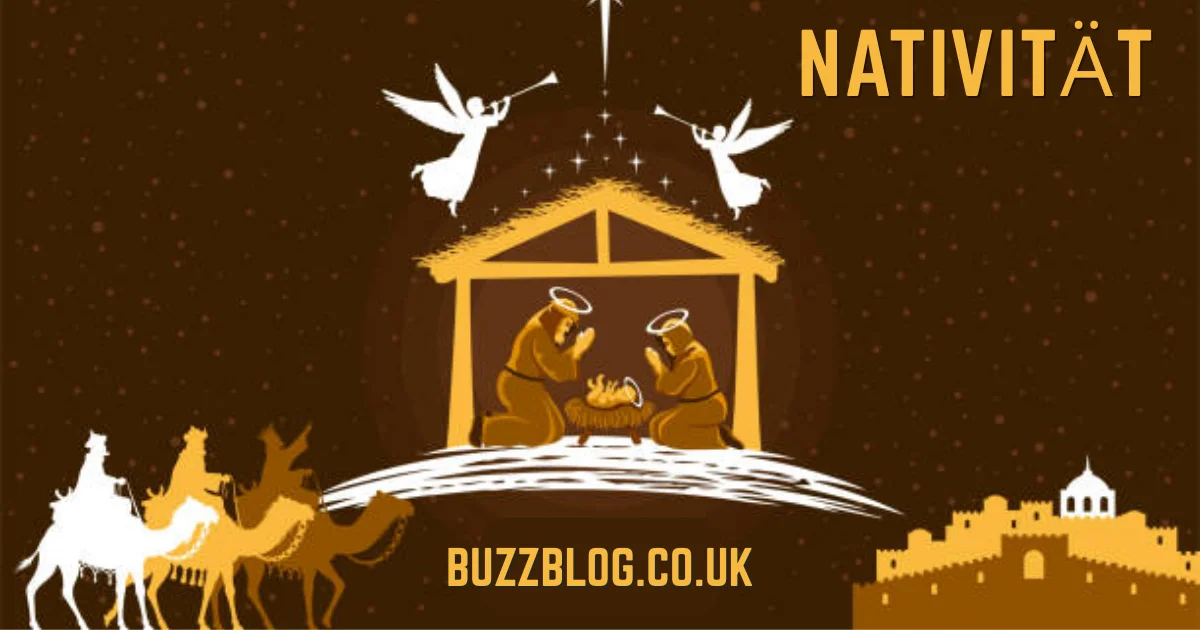
Introduction to the Concept of Nativität
When December rolls around, lights sparkle, carols fill the air, and nativity scenes quietly take center stage. But behind the familiar imagery lies a story that has shaped centuries of belief, culture, and tradition. The term Nativität—German for “Nativity”—refers to the birth of Jesus Christ, a moment that sits at the very heart of Christmas celebrations worldwide.
What Does “Nativität” Mean?
At its core, Nativität simply means “birth.” In Christian theology, it specifically points to the birth of Jesus in Bethlehem. But this isn’t just a birth announcement—it’s a story layered with symbolism, prophecy, and spiritual meaning. Think of it like a seed planted in history that grew into a global celebration.
Why the Nativity Story Matters Today
Why does a story from over 2,000 years ago still matter? Because it speaks to universal human experiences: hope in hardship, light in darkness, and joy in the most unexpected places. Even for those who aren’t religious, the Nativity story has shaped how Christmas looks, feels, and sounds.
Historical Roots of the Nativity Story
The Biblical Sources of the Nativity
The Nativity story isn’t found in one single place in the Bible. Instead, it’s pieced together mainly from two Gospels.
The Gospel of Matthew
Matthew focuses on royal themes. Here we meet the wise men, King Herod, and the dramatic flight into Egypt. Matthew’s version emphasizes Jesus as a king—one who fulfills ancient prophecies.
The Gospel of Luke
Luke’s account feels more intimate and tender. It introduces shepherds, angels, and Mary’s personal reflections. If Matthew gives us the political backdrop, Luke gives us the human heartbeat.
Historical Context of First-Century Judea
First-century Judea was under Roman rule, a tense environment marked by heavy taxation and political unrest. The idea of a savior born during such a time wasn’t just comforting—it was revolutionary.
The Journey to Bethlehem
The Roman Census Explained
The journey to Bethlehem wasn’t optional. A Roman census required people to register in their ancestral towns. For Joseph, that meant traveling to Bethlehem, the city of David.
Mary and Joseph’s Journey
Imagine traveling long distances on foot or by animal, while heavily pregnant. No comfort, no guarantees. Their journey mirrors the reality of many human struggles—uncertain, exhausting, yet purposeful.
The Birth of Jesus
Why a Manger?
A manger is a feeding trough for animals. Not exactly royal, right? And yet, that’s the point. The humble setting flips expectations upside down.
The Symbolism of the Stable
The stable represents humility, simplicity, and accessibility. No palace gates. No elite guest list. Just open doors.
The Shepherds and the Angels
Shepherds in Biblical Times
Shepherds were social outsiders. Yet, they were the first to hear the good news. That’s not accidental—it’s a message of inclusion.
The Angelic Announcement
Angels proclaim “good news of great joy.” Fear meets hope, and the night sky becomes a stage for divine celebration.
The Wise Men and the Star
Who Were the Magi?
The Magi were scholars, likely from the East. They followed knowledge, stars, and signs—a reminder that faith and reason can walk together.
The Star of Bethlehem
Was it a miracle? A cosmic event? Scholars still debate it. But symbolically, the star represents guidance when the path isn’t clear.
Gifts and Their Meanings
Gold for kingship. Frankincense for divinity. Myrrh for suffering. Each gift quietly foreshadows Jesus’ life.
King Herod and the Dark Side of the Story
Herod’s Fear and Paranoia
Herod’s reaction shows how power often fears truth. His violence contrasts sharply with the humility of the Nativity.
The Flight into Egypt
Mary, Joseph, and Jesus become refugees. It’s a sobering reminder that this holy family knew fear, exile, and survival.
Theological Meaning of the Nativität
God Becoming Human
The Nativity proclaims a radical idea: God enters human history not with thunder, but with a cry.
Humility and Hope
Greatness arrives quietly. Hope is born small. That message still resonates.
How the Nativity Shaped Christmas Traditions
Nativity Scenes (Crèches)
From simple wooden sets to elaborate displays, nativity scenes visually retell the story.
Christmas Carols and Music
Songs like Silent Night echo the stillness and wonder of the birth.
Midnight Mass and Church Traditions
Celebrating at night mirrors the biblical account and adds a sense of sacred anticipation.
Nativity in Art and Culture
Early Christian Art
Early depictions focused on symbolism rather than realism.
Renaissance Interpretations
Artists like Giotto and Botticelli humanized the story with emotion and detail.
Modern-Day Representations
From movies to live nativity plays, the story keeps evolving.
Cultural Variations of the Nativity Story
European Traditions
Countries like Italy and Germany emphasize detailed crèches.
Latin American Posadas
Processions reenact Mary and Joseph’s search for shelter.
African and Asian Interpretations
Local cultures reimagine the Nativity with familiar faces and settings.
Common Misconceptions About the Nativity
Were There Really Three Wise Men?
The Bible never specifies a number—just three gifts.
Was Jesus Born on December 25th?
The date is symbolic, chosen centuries later.
The Nativity Story in Modern Christianity
Sermons and Teachings
The story remains central to Christian theology.
Nativity Plays and Pageants
Children reenact the story, keeping it alive for new generations.
Why the Nativity Story Still Resonates
A Story of Light in Darkness
It reminds us that hope often arrives when things feel bleak.
Universal Themes of Love and Peace
These themes transcend religion and culture.
Conclusion
The Nativität is more than a Christmas backdrop—it’s the foundation of traditions, values, and messages that continue to shape the season. Whether viewed through faith, culture, or history, the Nativity story whispers the same truth every year: even the smallest beginnings can change the world.