
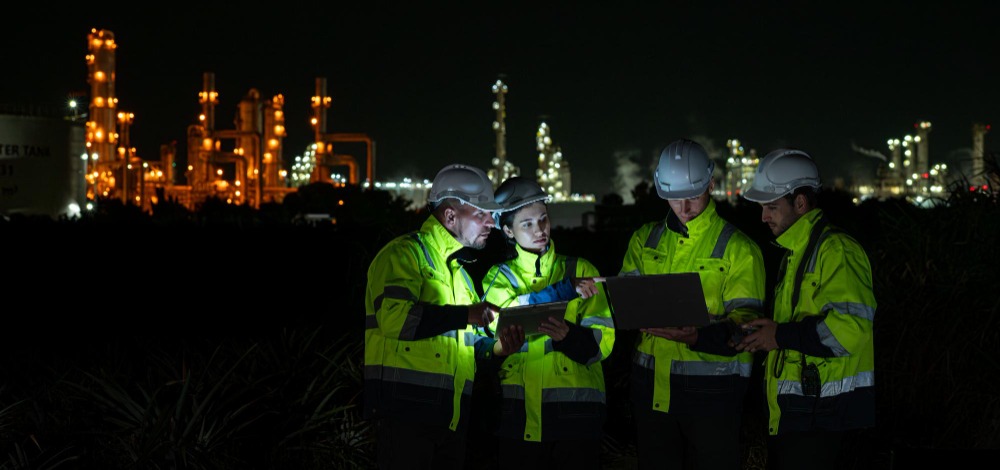
The drilling rig hums. The pipeline stretches for miles. The refinery glows in the night. This isn’t an office job. This is oil, gas, and energy. Danger is built into the blueprint. For decades, safety here meant hard hats and checklists. But in 2026? That’s not enough. Not anymore.
Accidents in this sector aren’t just “incidents.” They are disasters. They kill people. They wreck the environment. They cost billions. If you’re not reinventing safety, you’re stuck in the past. And the past is dangerous.
This is where safety management software steps in. This isn’t just software. It’s a shield. A smarter way to protect your people and your profits.
The Old Ways Are Failing
Think about a remote wellhead. Who’s watching it? A lone technician. Maybe a security camera. If a gas leak starts, how fast do you know? How fast can you react? With paper forms and phone calls, the answer is “too slow.”
The oil and gas industry has complex operations. Deep wells. High pressures. Flammable materials. These aren’t just hazards; they are ticking time bombs if not managed precisely. Your old, manual systems can’t keep up. They introduce delays. They create blind spots. They invite error.
Why Digital Transformation Isn’t Optional
Digital transformation isn’t a buzzword here. It’s a lifeline. You need real-time data from every site. From every piece of equipment. From every worker. This isn’t just about compliance anymore. It’s about survival. Oil and gas safety management demands this level of precision.
From Checklists to Real-Time Intelligence
Imagine this. A worker starts their shift. They pull up a safety app on their rugged tablet. They complete a pre-job hazard analysis. They scan a QR code on a pump. The system instantly pulls up its maintenance history. Its operating limits. Its last inspection date. This isn’t a fantasy. This is what modern safety management software delivers.
Hazard Identification on Steroids
Manual hazard ID is slow. It misses things. Digital systems change the game:
- Geolocation: Know exactly where a hazard was reported.
- Photos & Videos: No more vague descriptions. See the problem.
- Instant Notification: The right people get alerted immediately. No delays.
- Trend Spotting: The system flags common hazards across sites. You fix the root cause, not just individual symptoms.
This is a shift from “maybe we’ll find it” to “we know exactly where it is.”
Contractor Risk: The Silent Killer
Your workforce is not just your employees. It’s dozens, hundreds, even thousands of contractors. Drilling teams. Maintenance crews. Logistics partners. Each one brings their own risks. Their own safety culture (or lack thereof).
How do you manage them? Are you chasing expiring certifications? Are you checking incident rates for every vendor? Most companies don’t. That’s a huge blind spot. It’s a ticking legal and safety time bomb.
Modern safety management software integrates vendor management.
- Pre-qualification: Vet contractors before they step foot on site.
- Credential Tracking: Automated alerts for expiring licenses or training.
- Performance Monitoring: Track contractor incident rates. See who is actually safe.
- Onboarding: Ensure every contractor knows your specific site rules. Every time.
Don’t just hope your contractors are safe. Know they are. This is critical for oil and gas safety management.
Permit-to-Work: Digital Precision
Working in high-hazard environments often requires strict Permit-to-Work (PTW) systems. Hot work. Confined spaces. Lockout/Tagout. These are complex processes. One missed step, one unchecked box, can be fatal.
Paper PTW systems are prone to error. They get lost. Signatures are illegible. Conflicts aren’t spotted. Digital PTW systems revolutionize this:
- Automated Conflict Checking: The system highlights if two dangerous operations are planned for the same area.
- Electronic Signatures: Clear accountability. No disputes.
- Real-time Status: Know exactly which permits are active and where.
- Guided Workflows: Ensure every step is followed. No shortcuts.
This level of precision prevents human error in the most critical moments. It’s essential for any serious oil and gas safety management program.
Crisis Management: Minutes Matter
When something goes wrong in oil and gas, you don’t have hours. You have minutes. Every second counts. How fast can you:
- Alert emergency services?
- Notify relevant personnel?
- Access emergency plans?
- Account for everyone on site?
A fragmented system collapses under pressure. A centralized safety management software is built for crisis. It pushes emergency alerts. It stores all response plans. It provides real-time personnel counts. It gives you control when chaos erupts.
Training & Competency: Beyond the Classroom
Safety training isn’t a one-and-done event. Especially in dynamic environments. New equipment. New procedures. New regulations. How do you ensure everyone stays competent?
- Targeted Training: Assign courses based on job role or past incidents.
- Competency Tracking: Know who is certified for what. Spot gaps.
- Mobile Learning: Deliver micro-lessons directly to devices in the field.
- Refresher Alerts: Automatically remind workers when training is due.
This goes beyond just ticking boxes. It builds a continuously learning, highly competent workforce. This is a pillar of effective oil and gas safety management.
The AI Edge: Predicting the Unpredictable
You have mountains of data. Incident reports. Inspection findings. Equipment logs. But are you using it? Or is it just sitting there?
The real power of modern safety management software lies in its AI capabilities. It looks at all that data. It finds patterns. It predicts where the next incident is likely to occur.
- Predictive Analytics: “This rig, with this age of equipment, operating under these weather conditions, has a 20% higher chance of a pipe failure.”
- Anomaly Detection: “This sensor reading is outside the norm. Investigate immediately.”
- Root Cause Analysis (Automated): Identifies the deeper issues driving repeated incidents.
This isn’t magic. It’s intelligence. It turns raw data into actionable insights, helping you prevent accidents before they happen.
The Financial Reality: Safety is Not a Cost Center
Some leaders see safety as an expense. They are wrong. In oil, gas, and energy, safety is a massive profit protector.
- Avoid Fines: Regulatory penalties for safety breaches are crippling.
- Reduce Downtime: An incident shuts down operations. Every hour lost is money gone.
- Lower Insurance: A strong safety record means lower premiums.
- Retain Talent: In a competitive market, workers choose companies that prioritize their well-being.
- Reputation: Environmental disasters destroy public trust and shareholder value.
Investing in top-tier safety management software is an investment in financial stability. It’s an investment in your future.
Global Compliance, Local Control
Operating across different countries? Different regions have different regulatory bodies. Different laws. Managing this patchwork manually is a nightmare.
A robust safety management software understands this complexity. It adapts.
- Localized Regulations: Auto-updates checklists and requirements based on site location.
- Multi-language Support: Ensures everyone understands.
- Unified Reporting: Consolidates data for global oversight, while respecting local compliance.
You get global control with local relevance. No more guesswork.
EHS Insight: The Future of Oil and Gas Safety
In the high-stakes world of oil, gas, and energy, you need more than just software. You need a partner. You need a system built for your unique challenges.
EHS Insight is that system. It brings together everything you need:
- Real-time data from every rig, pipeline, and refinery.
- Powerful safety management software capabilities.
- Integrated Oil and gas safety management workflows.
- The predictive power of AI with the EHS Insight Copilot.
Don’t settle for “good enough” safety. The stakes are too high. Choose a system that empowers your people, protects your assets, and future-proofs your operations.
Conclusion
The energy sector fuels the world. It’s a vital, demanding industry. But it doesn’t have to be unnecessarily dangerous. By embracing modern safety management software, especially tailored solutions like EHS Insight, you can transform your approach. Move from reactive fixes to proactive prevention. Protect your workers. Protect the planet. Protect your bottom line. It’s time to reinvent safety, for good.