
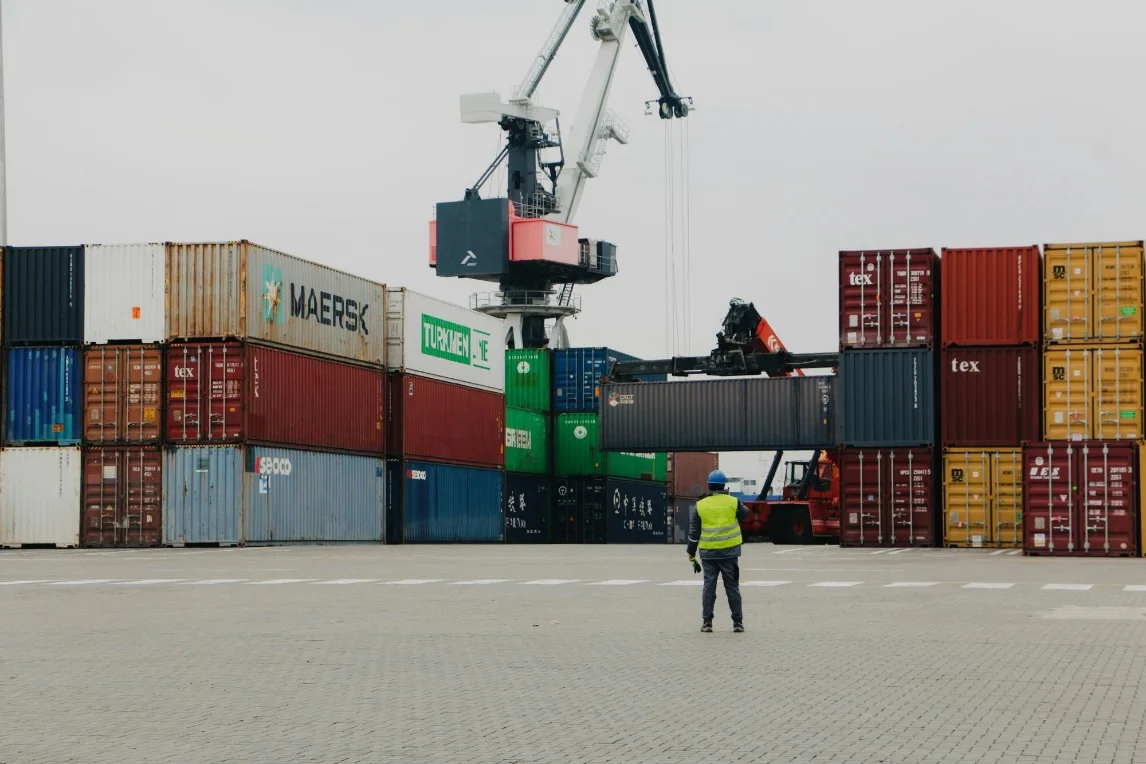
Smooth cargo movement is one of the most important parts of global trade. Every shipment, whether transported by air, sea, or land, has to pass through different stages before reaching its destination. Because the process can be complex, businesses rely on freight forwarding and customs clearance to help ensure everything moves without delays.
When these services work well, shipments travel efficiently, stay compliant with regulations, and avoid unnecessary costs. Read on.
What Freight Forwarders Do
Freight forwarding is all about planning and managing the entire journey of a shipment. Forwarders communicate with carriers, organize schedules, and prepare the needed documents. Their goal is to make the shipping process easier for companies, especially those that do not have their own logistics department.
A skilled freight forwarder chooses the best routes, negotiates with carriers, and suggests the most efficient shipping options. They may also assist with:
- cargo consolidation
- packing guidance
- storing goods temporarily
Since international shipping involves many steps, forwarders act as the main point of coordination. They make sure everyone-from suppliers to transport partners-understands what the shipment needs at each stage.
Essential Documents for Cargo Movement
Accurate documentation is a major requirement in shipping. Even a single mistake can lead to unexpected delays. The most common documents include:
- Bill of Lading
- Commercial Invoice
- Packing List
- Certificate of Origin
Some products may also require special permits or clearances before leaving the country. Freight forwarders review these papers carefully to ensure they are complete and correct. Doing this before the shipment departs helps prevent customs issues, avoids penalties, and keeps the cargo moving without interruptions once it reaches its destination.
How Customs Clearance Works
Customs clearance is the process of getting official approval for goods to enter or exit a country. During this stage, customs officers check the shipment details, confirm compliance, and calculate duties and taxes. Customs brokers help businesses navigate these rules because they understand:
- tariff classifications
- import requirements
- proper documentation
A smooth customs experience depends heavily on accurate declarations. If product descriptions, values, or codes are incorrect, customs may flag the shipment for further inspection.
These additional checks can cause delays. Clear information, complete paperwork, and timely submission are essential for fast processing. Consult experts on Freight Forwarding and Customs Clearance to learn more.
Why Compliance Is Critical
Compliance ensures that a shipment meets all legal requirements. Many countries have strict rules on food products, chemicals, electronics, and other regulated items. Companies must know whether their goods need:
- certifications
- safety checks
- specific approvals
By working with experienced forwarders and brokers, businesses can stay compliant and reduce the risk of delays, fines, or confiscations. Proper compliance is one of the best ways to keep cargo flowing smoothly across borders.
Technology’s Role in Faster Shipping
Technology has greatly improved cargo movement. Tools such as digital tracking, online document submission, and automated notifications help businesses monitor shipments in real time. These solutions reduce errors, speed up communication, and allow faster problem-solving.
The Future of Cargo Movement
Seamless cargo movement depends on strong coordination between freight forwarding and customs clearance. With accurate documents, proper compliance, and organized processes, goods can travel across borders quickly and without trouble. Businesses that work with reliable logistics partners gain fewer delays, faster deliveries, and a more efficient supply chain.
If you want to read more articles, visit our blog.