
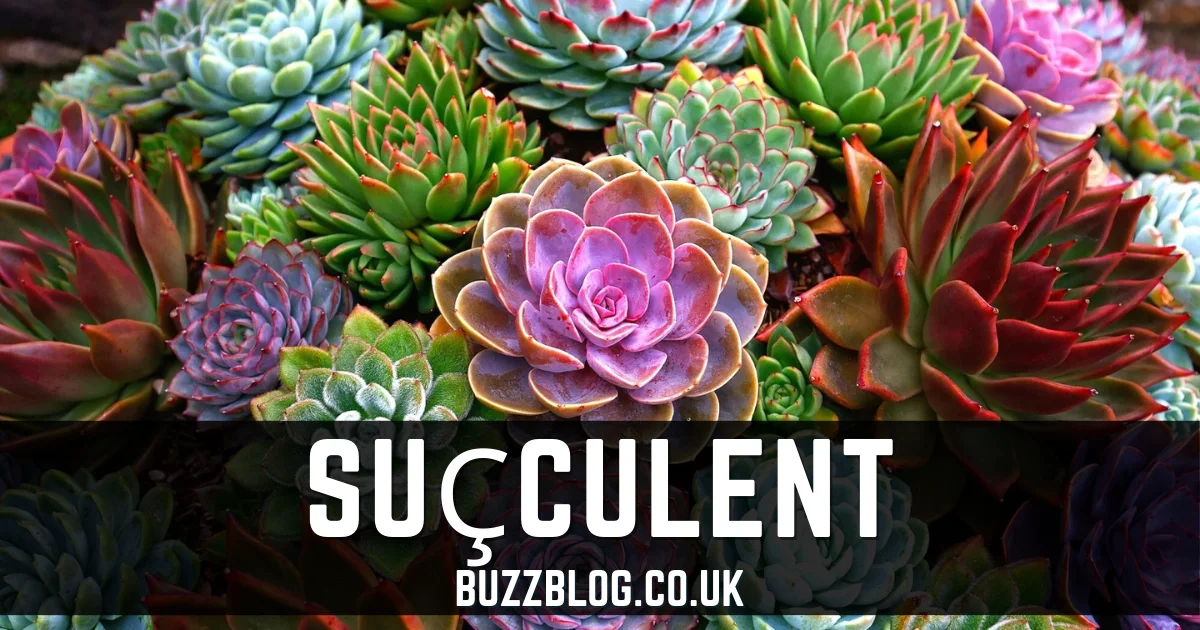
Introduction to Succulents
Succulents are like the low-maintenance friends we all need—beautiful, resilient, and surprisingly forgiving. Whether you’re a total beginner or someone who has accidentally killed a cactus or two (no judgment here), this succulent care guide will help you grow thriving, pest-free plants with confidence.
What Are Succulents?
Succulents are plants that store water in their leaves, stems, or roots. Think of them as tiny water tanks disguised as art pieces. This special ability allows them to survive in dry environments where other plants would wave the white flag.
Why Succulents Are So Popular
Let’s be honest—succulents are everywhere. From Instagram feeds to office desks, they’ve become plant-world celebrities. Why? They’re compact, stylish, and don’t demand constant attention. Plus, their unique shapes and colors make them natural conversation starters.
Understanding Succulent Types
Indoor vs Outdoor Succulents
Not all succulents are created equal. Some love basking in outdoor sunshine, while others prefer the cozy indoors. Indoor succulents like Haworthia thrive in indirect light, while outdoor varieties like Sedum enjoy full sun.
Popular Succulent Varieties
Aloe
Aloe is both decorative and practical. Its gel is famous for soothing burns, making it the Swiss Army knife of succulents.
Echeveria
With its rose-like shape, Echeveria is a favorite for arrangements and centerpieces.
Haworthia
Perfect for beginners, Haworthia stays small and tolerates low light.
Jade Plant
Symbolizing good luck, Jade plants can grow into mini trees with proper care.
Choosing the Right Pot and Soil
Best Pots for Succulents
Terracotta pots are a succulent’s best friend. They’re breathable and help excess moisture evaporate quickly. Decorative pots are fine too—just make sure they have drainage holes.
Importance of Drainage
No drainage equals disaster. Succulents hate sitting in water, and soggy roots are a fast track to rot.
Ideal Soil Mix for Succulents
Regular potting soil holds too much moisture. Use a cactus or succulent mix, or create your own by mixing soil, sand, and perlite.
Light Requirements for Healthy Succulents
Natural Sunlight Needs
Most succulents love bright, indirect sunlight. A south-facing window is usually perfect.
Signs of Too Much or Too Little Light
Stretching and pale colors mean not enough light. Burned or crispy leaves? That’s too much sun.
Using Grow Lights Indoors
No sunny window? No problem. Grow lights can mimic natural sunlight and keep your succulents happy.
Watering Succulents the Right Way
How Often Should You Water Succulents?
Less is more. Water only when the soil is completely dry. Depending on the season, this could be once every 1–3 weeks.
The Soak and Dry Method
Water thoroughly until it drains out the bottom, then wait until the soil dries out completely before watering again.
Common Watering Mistakes to Avoid
Overwatering is the number one succulent killer. If in doubt, wait another day.
Temperature and Humidity Needs
Ideal Temperature Range
Succulents prefer temperatures between 60°F and 80°F. They don’t like frost or extreme heat.
Managing Humidity Levels
Low humidity is ideal. Avoid placing succulents in steamy bathrooms or kitchens.
Feeding and Fertilizing Succulents
When to Fertilize
Feed your succulents during their growing season—spring and summer.
Best Fertilizers for Succulents
Use a diluted cactus fertilizer. Too much fertilizer can do more harm than good.
Pruning, Cleaning, and General Maintenance
Why Pruning Is Important
Removing dead leaves improves airflow and prevents pests.
How to Clean Succulent Leaves
Gently wipe leaves with a soft brush or cloth to remove dust and debris.
Succulent Pests and Diseases
Common Succulent Pests
Mealybugs
White and cottony, these pests love hiding in leaf joints.
Spider Mites
Tiny but destructive, they leave web-like residue.
Aphids
Usually found on new growth, aphids suck the life out of plants.
Common Diseases and Problems
Root rot is the most common issue, usually caused by overwatering.
How to Prevent Pests Naturally
Neem oil, rubbing alcohol, and good airflow work wonders.
Propagating Succulents
Leaf Propagation
Simply place a healthy leaf on soil and wait for magic to happen.
Stem Cuttings
Cut, let it callous, then plant. Easy and effective.
Offsets and Pups
Some succulents produce baby plants—just separate and replant.
Seasonal Succulent Care
Summer Care Tips
Water slightly more often and protect from harsh midday sun.
Winter Care Tips
Reduce watering and keep plants away from cold drafts.
Common Succulent Care Mistakes
Overwatering
It bears repeating—overwatering is the silent killer.
Poor Lighting
Succulents need light to maintain their shape and color.
Wrong Soil Choice
Heavy soil suffocates roots and traps moisture.
Benefits of Growing Succulents
Air Purification
Succulents help improve indoor air quality.
Stress Reduction and Décor Benefits
They add life to any space and have a calming effect.
Conclusion
Succulents may look exotic, but caring for them is refreshingly simple once you understand their needs. With the right light, soil, and watering routine, these charming plants will reward you with long-lasting beauty and minimal effort. Treat them right, and they’ll thrive quietly, like little green works of art.