
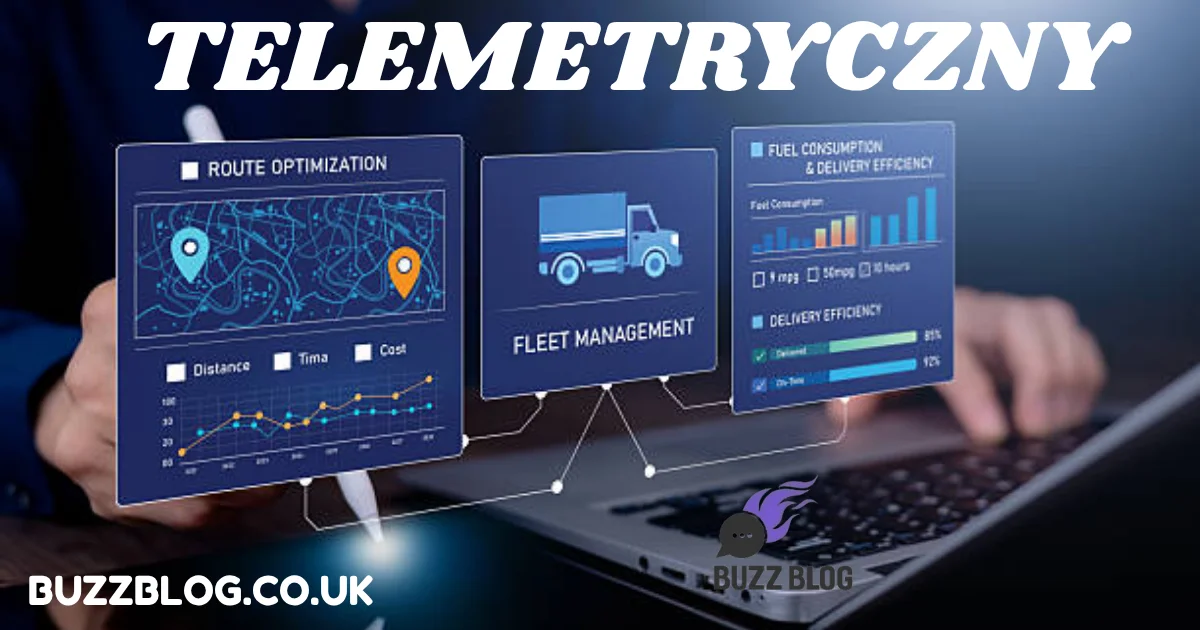
Fleet management has changed dramatically over the last decade. Companies that once relied on paper logs, manual inspections, and phone calls are now turning to intelligent digital systems that track every movement of a vehicle in real time. This transformation is being driven by Telemetryczny systems, commonly known as fleet telematics systems. These systems combine GPS technology, sensors, cloud computing, artificial intelligence, and data analytics to help businesses monitor vehicles, reduce expenses, and improve operational efficiency.
The demand for telematics technology is growing at an astonishing pace. Recent market reports estimate the global fleet telematics market will exceed $44.9 billion by 2032, with annual growth rates above 11%. Businesses are embracing telematics because fuel costs, maintenance expenses, delivery delays, and driver safety concerns continue to squeeze profit margins. In many industries, every kilometer traveled and every minute spent idling matters. A small inefficiency multiplied across dozens or hundreds of vehicles can quietly drain thousands of dollars every month.
Think of fleet telematics as the nervous system of a transportation operation. Just as nerves send signals throughout the human body, telemetryczny systems continuously send vehicle data back to fleet managers. This allows businesses to detect problems instantly, optimize routes, reduce waste, and make smarter decisions based on real-time insights instead of guesswork. Whether it is a delivery company, logistics provider, public transport operator, or construction business, telematics has become the digital backbone of modern fleet management.
Understanding Telemetryczny Systems
What Are Telemetryczny Systems?
Telemetryczny systems are advanced technologies designed to collect, transmit, and analyze data from vehicles and fleet assets. The word “telemetry” refers to the automatic measurement and remote transmission of information. In fleet management, this means vehicles are constantly sharing information about their location, speed, engine condition, fuel usage, braking patterns, idle time, and even driver behavior.
Imagine owning a fleet of 100 trucks without telematics. You would have limited visibility into what happens on the road unless a driver called to report an issue. Now imagine having a digital dashboard showing every truck’s position, estimated arrival time, maintenance status, and fuel efficiency in real time. That is exactly what telemetryczny systems provide. They transform raw vehicle data into actionable intelligence.
Modern Telemetryczny systems rely on several technologies working together. GPS modules determine precise vehicle location. Sensors connected to the vehicle’s engine and onboard diagnostics system gather performance data. Cellular or satellite networks transmit this information to cloud platforms where analytics software processes the data into understandable reports and alerts. Managers can then access this information from desktops or mobile devices at any time.
One of the biggest reasons Telemetryczny adoption is accelerating worldwide is the growing complexity of transportation operations. Businesses no longer compete solely on price. Customers now expect accurate delivery times, transparency, and reliability. Companies that fail to optimize their fleets often struggle with high operating costs and poor customer experiences. Telematics solves these problems by giving organizations complete visibility into fleet operations.
How Fleet Telematics Works in Modern Transportation
At first glance, Telemetryczny may sound highly technical, but its practical application is surprisingly straightforward. Every equipped vehicle acts like a smart connected device. Sensors collect data continuously while communication systems send information to centralized software platforms. The software then analyzes patterns and converts them into insights that managers can use immediately.
For example, if a truck begins consuming more fuel than usual, the system can instantly notify the fleet manager. If a driver repeatedly brakes harshly or exceeds speed limits, telematics software flags risky behavior. If an engine fault appears, predictive maintenance alerts can help prevent a costly roadside breakdown before it happens. This proactive approach saves companies time, money, and operational headaches.
The integration of artificial intelligence is making telematics even more powerful. Companies are now using AI-driven analytics to predict maintenance failures, optimize fuel efficiency, and improve driver safety. Recent reports show the telematics industry is shifting rapidly toward predictive intelligence rather than simple GPS tracking. Some platforms even include AI chat assistants capable of summarizing fleet performance and recommending operational improvements automatically.
Another reason modern transportation depends heavily on telematics is the rise of e-commerce and last-mile delivery services. Consumers expect same-day or next-day delivery, which places enormous pressure on logistics companies. Real-time tracking and route optimization are no longer optional features; they are essential survival tools in today’s competitive market.
Why Fleet Management Needs Digital Transformation
Rising Fuel Costs and Operational Challenges
Fuel remains one of the largest expenses for fleet operators. Even a small increase in fuel prices can significantly affect profitability, especially for companies operating large vehicle fleets. Without accurate tracking systems, businesses often struggle to identify where fuel waste is occurring. Drivers may idle excessively, take inefficient routes, or engage in aggressive driving behaviors that increase fuel consumption.
Telemetryczny systems help solve these issues by providing detailed fuel analytics. Managers can identify vehicles with abnormal fuel usage patterns, monitor idle time, and optimize driving behavior. According to industry discussions among fleet operators, telematics often delivers measurable savings through reduced idling and improved route planning.
Operational inefficiencies extend beyond fuel. Vehicle downtime caused by unexpected breakdowns can cripple delivery schedules and damage customer trust. Traditional maintenance strategies often rely on fixed schedules that fail to account for actual vehicle conditions. This leads either to unnecessary servicing or catastrophic failures. Predictive maintenance powered by telematics changes the equation completely by monitoring engine performance in real time.
Businesses also face increasing pressure from regulatory compliance requirements. Driver working hours, emissions reporting, safety inspections, and electronic logging regulations have become stricter across many regions. Telematics systems automate compliance monitoring and reduce administrative burdens significantly. Instead of manually compiling records, companies can generate reports instantly through digital dashboards.
The Shift Toward Smart Fleet Ecosystems
Fleet management is no longer just about moving vehicles from point A to point B. Today’s fleets are becoming connected ecosystems where vehicles, drivers, managers, and customers communicate through intelligent digital networks. This transformation mirrors the broader shift toward smart cities and connected infrastructure.
The rise of cloud computing and IoT connectivity has made real-time fleet visibility accessible even for small businesses. Years ago, advanced telematics systems were affordable only for massive corporations. Now, scalable cloud-based platforms allow small and medium-sized fleets to benefit from sophisticated analytics and automation tools. Reports indicate cloud-based telematics deployments account for the majority of modern fleet solutions.
Smart ecosystems improve collaboration across operations. Dispatchers can assign jobs dynamically based on vehicle location. Customers can track deliveries live. Maintenance teams receive automated alerts before issues become emergencies. Drivers receive coaching feedback that helps improve safety and efficiency. All these components work together like gears in a well-oiled machine.
There is also a growing cultural shift within the transportation industry. Companies increasingly recognize that data-driven decision-making produces better outcomes than intuition alone. Managers no longer need to rely on assumptions about driver performance or vehicle utilization. Telematics provides objective insights backed by measurable data.
Core Components of a Telemetryczny Fleet System
GPS Tracking and Real-Time Monitoring
GPS tracking forms the foundation of every telematics system. Real-time visibility allows managers to monitor vehicle locations instantly and respond quickly to operational disruptions. Whether dealing with delivery delays, unauthorized vehicle usage, or emergency situations, GPS tracking provides crucial situational awareness.
Real-time monitoring also improves customer service dramatically. Customers increasingly expect accurate delivery estimates and live shipment visibility. Companies using telematics can provide precise arrival times instead of vague promises. This transparency builds trust and enhances customer satisfaction.
The benefits extend beyond logistics. Fleet managers can analyze historical route data to identify inefficiencies and improve scheduling. By reducing unnecessary mileage and optimizing routes, businesses lower fuel costs while increasing productivity. One avoided traffic jam or poorly planned route can save significant operational expenses over time.
Driver Behavior Analytics
Drivers have a massive impact on fleet costs and safety. Aggressive acceleration, speeding, harsh braking, and excessive idling all increase fuel consumption and accident risk. Telematics systems measure these behaviors in real time and generate driver performance scores.
This data allows businesses to create targeted coaching programs that improve driving habits. Drivers often become more conscious of their behavior when they know performance metrics are being monitored. The result is safer driving, lower insurance costs, and improved fuel efficiency.
Advanced systems even use AI-powered cameras and sensors to detect distracted driving, fatigue, and seatbelt usage. Companies investing in safety-focused telematics are seeing fewer accidents and lower liability expenses. Research involving ADAS and telematics data shows predictive analytics can effectively identify near-miss risks before accidents occur.
Predictive Maintenance Technology
Unexpected breakdowns are among the most expensive problems fleet operators face. A vehicle stuck on the roadside not only incurs repair costs but also disrupts schedules, frustrates customers, and damages business reputation.
Predictive maintenance technology changes maintenance from reactive to proactive. Sensors continuously monitor engine temperature, oil pressure, battery health, brake performance, and fault codes. When abnormal patterns appear, the system sends alerts before a failure occurs.
This approach dramatically reduces downtime. Businesses can schedule maintenance during planned service windows instead of dealing with emergency repairs. Predictive maintenance also extends vehicle lifespan because issues are addressed early before causing severe mechanical damage.
Fuel Consumption Monitoring
Fuel theft and inefficient fuel usage are major concerns across the transportation industry. Telematics systems provide detailed fuel monitoring that detects unusual consumption patterns instantly. Some systems can even identify fuel siphoning incidents by detecting sudden drops in fuel levels while vehicles are stationary.
Fuel analytics also reveal hidden inefficiencies such as unnecessary idling, inefficient routes, or poor driving habits. Over time, these insights help businesses build more fuel-efficient operations. Even a modest 5% reduction in fuel consumption can translate into enormous annual savings for large fleets.
Major Benefits of Telemetryczny Systems
Reduced Operational Costs
The primary reason companies invest in telematics is cost reduction. Fuel savings, reduced maintenance expenses, improved vehicle utilization, and fewer accidents collectively generate significant financial returns.
Industry discussions consistently highlight that telematics helps businesses identify waste that would otherwise remain invisible. Many companies achieve positive ROI within the first year of implementation because small efficiencies compound across large fleets.
Here is a simplified comparison of traditional fleet management versus telematics-driven operations:
| Operational Area | Traditional Management | Telemetryczny Systems |
|---|---|---|
| Fuel Monitoring | Manual estimates | Real-time analytics |
| Maintenance | Reactive repairs | Predictive maintenance |
| Route Planning | Static scheduling | Dynamic optimization |
| Driver Oversight | Limited visibility | Behavior analytics |
| Compliance Reporting | Manual paperwork | Automated reporting |
| Vehicle Tracking | Delayed updates | Live GPS monitoring |
The table clearly shows why telematics has become indispensable for modern fleet operations.
Improved Driver Safety
Safer drivers mean fewer accidents, lower insurance premiums, and better public reputation. Telematics creates accountability by monitoring risky driving behavior continuously. Drivers receive immediate feedback, while managers gain objective data for coaching and performance evaluation.
Video telematics and AI-powered safety systems are becoming increasingly common. These technologies can detect fatigue, distracted driving, tailgating, and unsafe lane changes. Some systems even provide real-time warnings directly to drivers.
Safety improvements also benefit employees personally. Drivers working in monitored fleets often develop better habits that protect their health and well-being. A safer workplace ultimately creates stronger employee morale and retention.
Better Route Optimization
Traffic congestion, road closures, and inefficient routes waste enormous amounts of time and fuel. Telematics systems use live traffic data and AI-powered optimization tools to recommend faster, more efficient routes.
Route optimization not only reduces costs but also improves delivery reliability. Customers receive shipments faster while businesses complete more deliveries using fewer resources. In highly competitive industries like e-commerce logistics, this operational advantage can be game-changing.
Enhanced Customer Satisfaction
Customers value transparency and reliability. Real-time tracking allows businesses to provide accurate delivery updates and proactive communication. If delays occur, companies can notify customers immediately instead of leaving them uncertain.
Satisfied customers are more likely to become repeat customers. In many cases, telematics indirectly increases revenue by improving customer experience and strengthening brand reputation.
The Role of AI and IoT in Fleet Telematics
Artificial Intelligence for Predictive Decisions
Artificial intelligence is revolutionizing fleet management by transforming massive volumes of vehicle data into actionable insights. Instead of simply collecting information, AI systems analyze patterns and predict future outcomes.
For instance, AI algorithms can identify which vehicles are likely to experience maintenance issues based on historical performance data. AI can also recommend optimal delivery schedules, predict traffic disruptions, and identify high-risk driving behaviors.
Major technology providers are integrating generative AI directly into fleet platforms. Recent developments include AI assistants capable of summarizing operational reports, suggesting fuel-saving strategies, and automating administrative tasks. This evolution is pushing telematics beyond tracking into intelligent operational management.
IoT Sensors and Connected Vehicles
The Internet of Things is the backbone of connected fleet ecosystems. Modern vehicles generate hundreds of data signals every second through sensors embedded throughout the vehicle. IoT connectivity allows this information to flow seamlessly between vehicles, cloud platforms, and management systems.
Connected vehicles create opportunities for smarter logistics networks. Traffic systems, warehouses, charging stations, and maintenance facilities can all communicate with fleet vehicles in real time. This interconnected environment increases efficiency while reducing delays and operational waste.
Industries Benefiting from Fleet Telematics
Logistics and Transportation
The logistics industry depends heavily on telematics because delivery speed and operational efficiency directly affect profitability. Companies use telematics to optimize routes, reduce fuel expenses, improve delivery accuracy, and monitor driver safety.
E-commerce growth has intensified the need for real-time visibility and fast delivery services. Businesses that fail to modernize their fleet operations risk falling behind competitors using advanced telematics platforms.
Construction and Heavy Equipment
Construction companies use telematics to track heavy machinery, monitor equipment utilization, and reduce unauthorized usage. Predictive maintenance is especially valuable in construction because equipment downtime can halt entire projects.
Telematics also improves site safety by monitoring equipment performance and operator behavior. Managers gain better control over expensive machinery spread across multiple job sites.
Public Transportation and Delivery Services
Public transportation systems rely on telematics for route planning, passenger information systems, and maintenance scheduling. Delivery services use telematics to maximize efficiency and improve customer communication.
Ride-sharing and urban mobility services also benefit from connected vehicle technology. As cities become smarter, telematics will play an even larger role in transportation infrastructure.
Challenges in Implementing Telemetryczny Systems
Data Privacy and Cybersecurity
Connected fleets generate enormous amounts of sensitive data, which raises cybersecurity concerns. Businesses must protect location information, driver data, and operational records from unauthorized access.
Cybersecurity investments are becoming essential as fleets become more digitally connected. Companies need strong encryption, secure cloud infrastructure, and robust access controls to safeguard their systems.
Integration and Employee Resistance
Implementing telematics often requires cultural change within organizations. Some employees may resist monitoring technologies because they fear constant surveillance. Clear communication is essential to explain how telematics benefits both the company and employees.
Integration challenges can also arise when connecting telematics platforms with existing software systems. Successful implementation requires proper planning, training, and technical support.
Future Trends in Fleet Management Technology
Autonomous Vehicles and Smart Cities
Autonomous driving technology is gradually reshaping transportation. While fully autonomous fleets are still evolving, telematics provides the foundational infrastructure required for self-driving systems.
Smart cities will depend heavily on connected transportation networks. Traffic lights, road sensors, and autonomous vehicles will communicate continuously to reduce congestion and improve urban mobility.
Sustainability and Electric Fleet Monitoring
Sustainability is becoming a major priority for businesses worldwide. Electric vehicle fleets require specialized telematics tools that monitor battery health, charging schedules, and energy consumption.
Telemetryczny also supports sustainability goals by reducing fuel waste, optimizing routes, and minimizing emissions. As governments introduce stricter environmental regulations, connected fleet technologies will become even more important.
Conclusion
Telemetryczny systems are transforming fleet management from a reactive process into a proactive, data-driven operation. Businesses now have the ability to monitor vehicles in real time, optimize routes, improve driver safety, reduce fuel expenses, and predict maintenance issues before they become costly problems.
The transportation industry is entering a new era where connected vehicles, artificial intelligence, and IoT technologies work together to create smarter and more efficient operations. Companies that embrace telematics gain a competitive edge through lower costs, better customer service, and improved operational control.
The future of fleet management belongs to organizations that use data intelligently. Whether managing five vehicles or five thousand, telematics is no longer just an optional upgrade. It has become a critical tool for survival and growth in an increasingly competitive transportation landscape.