
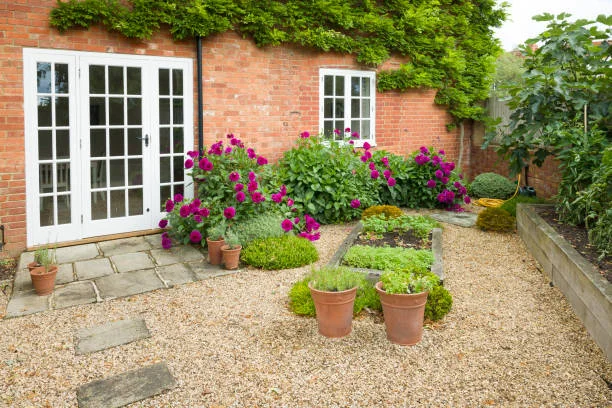
Hardscaping is one of the most effective ways to create a low-maintenance garden in the UK. By incorporating durable materials such as stone, brick, and concrete Low-Maintenance UK Gardens, you can transform your outdoor space into a stylish and practical setup.
These elements tolerate the British climate well and require far less upkeep than traditional lawns and planting beds.
For busy households, this is an ideal way to enjoy a beautiful garden without the time-consuming maintenance.
Choosing Durable Materials
Selecting durable materials is the foundation of any low-maintenance garden. In the UK, natural stone, brick, and concrete are pretty popular choices. That’s primarily because they cope exceptionally well with rain, frost, and fluctuating temperatures.
When installed correctly, these materials can last for decades, reducing the need for frequent repairs or replacements.
Beyond their practicality, these materials offer impressive design flexibility. Stone paving can create a timeless, traditional feel, while concrete slabs deliver a clean and contemporary look.
Brickwork sits comfortably somewhere in between, blending easily with both classic and modern garden styles.
If you are working within a budget, it is worth exploring local suppliers or reclamation yards. Reclaimed stone and bricks often cost less than new materials and bring a distinctive sense of character to the space.
Choosing hardy, long-lasting materials means less maintenance over time and more opportunities to simply enjoy your garden.
Creating Defined Pathways
Well-designed pathways instantly give a garden structure while also reducing maintenance. You can also try replacing areas of lawn with gravel paths or paving slabs. This way, you will minimise the amount of mowing and weeding required.
At the same time, pathways guide movement through the garden and help create a sense of order.
When you plan the layout carefully, that really makes a big difference. A gently winding gravel path can complement a cottage-style garden, while straight paving slabs suit modern landscapes.
Once the route is marked out, preparing the ground with a compacted base of crushed stone ensures good drainage and long-term stability.
When the surface material is laid evenly and secured with sand or fine gravel, the result is a clean, durable pathway that remains attractive for years.
In addition to improving accessibility, pathways keep foot traffic off delicate planting areas, which helps preserve your garden beds and reduces overall wear and tear.
Incorporating Raised Beds with Hardscape Borders
Raised beds bordered with hardscaping materials are a clever addition to any low-maintenance garden.
Stone, brick, or timber sleepers provide strong boundaries that keep soil neatly contained while improving drainage. This is particularly useful in the UK, where heavy rainfall can easily compact garden soil.
These defined borders also help reduce weed growth and make garden beds easier to manage. Plants are elevated, making them simpler to reach for watering, pruning, or harvesting. At the same time, the structured appearance adds visual interest and depth to the garden design.
Reclaimed materials work beautifully in raised beds. Old railway sleepers, stacked bricks, or natural stone can introduce character while keeping costs under control.
Pair these beds with hardy plants such as lavender, rosemary, or ornamental grasses, and you create an attractive planting scheme that thrives with minimal effort.
Installing Decking and Patios for Outdoor Living Spaces
Decking and patios are among the most popular hardscaping features for UK gardens, and for good reason. They provide comfortable outdoor living areas while reducing the amount of lawn that needs regular maintenance.
Whether used for dining, relaxing, or entertaining guests, these spaces extend the functionality of your garden.
Choosing weather-resistant materials is essential. Composite decking is particularly popular because it resists moisture and requires very little upkeep. Textured stone tiles are another excellent option, offering slip resistance during wet British weather.
The right furniture completes the space. Materials such as teak or powder-coated aluminium withstand outdoor conditions while maintaining their appearance.
Arrange the seating and dining areas thoughtfully, and you can enjoy your garden throughout the year.
Adding Energy-Efficient Water Features for Visual Interest
Water features add a calming focal point to a garden without creating significant maintenance demands. Modern designs, such as self-contained fountains or lined ponds, are surprisingly simple to manage and can introduce gentle movement and sound to the landscape.
Careful placement is important. Locating the feature in a sunny position can help reduce algae growth. Similarly, keeping it away from large trees prevents leaves from constantly collecting in the water.
Energy-efficient pumps are another valuable addition. You can adjust the flow settings to control water movement while using less electricity.
Solar-powered pumps are also an increasingly popular choice for environmentally conscious homeowners. They operate using sunlight, eliminating the need for electrical connections and keeping running costs low.
The best part is that these features require minimal upkeep. Plus, they instantly transform a garden into a relaxing, visually engaging space.
Incorporating Vertical Hardscaping Elements
Vertical features are an excellent way to add depth and visual interest to a garden without increasing maintenance. Structures such as trellises, pergolas, and stone walls create layers within the landscape while supporting climbing plants that soften the overall look.
The UK’s climate is ideal for climbers such as clematis, honeysuckle, and climbing roses. These plants quickly cover vertical structures. They add colour, fragrance, and greenery without requiring diva-level care.
As they grow upward rather than outward, they also make efficient use of limited garden space. They still provide a lush, verdant cover, and don’t take too long to do so.
Selecting sturdy materials ensures these features remain attractive over time. Natural stone walls, timber posts, or metal trellises can all withstand the elements with minimal upkeep.
Once established, vertical elements provide lasting structure and help turn even a small garden into a layered and visually interesting outdoor retreat.
While many hardscaping projects can be tackled as DIY tasks, larger installations often benefit from professional expertise.
If your garden requires extensive groundwork, drainage planning, or structural features such as retaining walls and patios, experienced landscapers can ensure everything is installed correctly and built to last.
Professional teams involved in gardening in London are also familiar with local soil conditions, weather patterns, and design trends. This knowledge allows them to create hardscaping solutions that suit both the property and the surrounding environment.
Working with specialists can save time, prevent costly mistakes, and help you achieve a polished garden that remains easy to maintain for years to come.
Conclusion
Hardscaping offers one of the most practical ways to create a beautiful yet low-maintenance garden in the UK.
Start today, and lay the foundations of a garden that feels organised, inviting, and easy to manage. Create a place where you can spend more time relaxing and less time maintaining Low-Maintenance UK Gardens.
Your mastery starts here. Wander through our best insights at Buzz BLOG.