
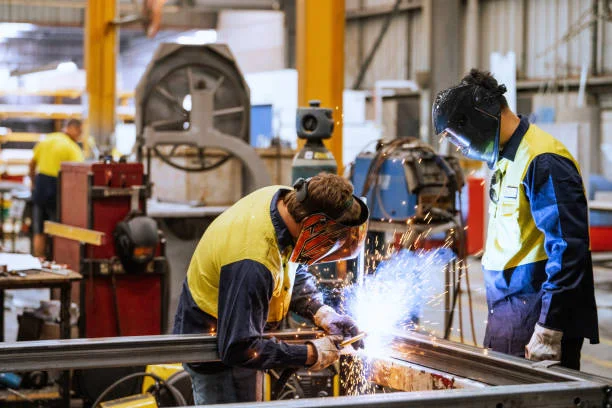
Personal protective equipment, or PPE, is a vitally important aspect of any working environment – and a legally enshrined protective measure, the rights to which were especially hard-fought for Protective Clothing. Their importance cannot be overstated as a form of protection, particularly when it comes to last-resort failsafes against unpreventable workplace accidents.
PPE is more than a last resort, though. It is also vital for maintaining worker health in adverse conditions, from heat retention to UV-blocking and beyond. Practical utility in health and safety begets comfort – and especially so with recent tech developments, which have furthered the practical utility of protective clothing significantly. What follow are some of the better examples of modern clothing tech in action.
Smart Fabrics and Materials
First, there have been remarkable developments in the fabrics utilised for protective wear. New and high-performance synthetic textiles are better-placed than prior materials to protect the wearer, and for greater durations of time before replacement or disposal is necessary. improve durability, breathability, and protection against workplace hazards.
Most smart fabrics are passive, being engineered materials that respond to changing conditions; for instance, moisture-wicking fabrics automatically, passively detect the presence of sweat and move it from skin to surface, without impacting heat insulation metrics in the process. There are some, too, that passively detect heat information and become altered accordingly – whether to better insulate, or better radiate, heat.
Wearable Sensors and Monitoring
Passive smart-fabric technology is one part of the equation – and alludes to a new approach to PPE, through the operative word ‘detect’. Active clothing technology now also uses integrated sensors, to track vital signs and environmental risks in real time. This can be used as telemetry to prevent incidents over time, or in the short term to activate other active technology in an item of clothing.
Heated Gear for Cold Environments
Such active technology is, itself, wide-ranging. However, there are some standout applications of sensor-oriented active clothing systems that have the potential to revolutionise work safety, particularly in outdoors environments. One such technology is that of heated workwear systems, which distribute heat around the body, helping to maintain warmth and reduce on-site risks related to falling body temperature (including, for instance, loss of fine motor control).
Advanced Footwear Solutions
Footwear is amongst the most crucial of PPE items across workplaces, owing to the widespread and indiscriminate nature of trip, slip and fall hazards – not to mention crushing hazards in active construction and logistics sites. Tech-enhanced safety shoes and trainers are more than ergonomic footwear solutions, offering better support and protection in demanding work conditions.
Connected Safety and Compliance Tools
Finally, and in relation to sensor development in personal protective clothing equipment, there is scope for a more comprehensive telemetric view of workforce healthy and safety. Digital platforms and IoT-enabled gear can help employers monitor usage, training, and safety compliance more effectively.