
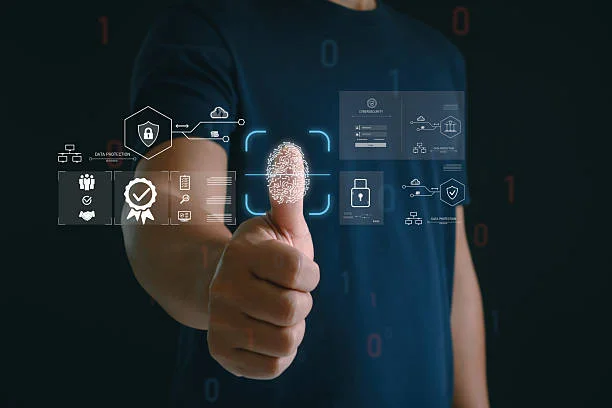
In today’s rapidly evolving world, security technology plays a crucial role in safeguarding assets and ensuring safety. With the rise of digital threats and physical breaches, understanding the mechanisms behind security systems is more important than ever. This article delves into the intricacies of access control and biometric systems, two pivotal components in modern security frameworks. By exploring their functions and benefits, we aim to provide a comprehensive overview of how these technologies contribute to enhanced security measures in various settings.
The evolution of access control systems
Access control systems have come a long way from traditional lock and key methods. In the digital age, these systems have evolved to incorporate advanced technologies that offer more robust security solutions. Modern access control systems use electronic credentials such as key cards, fobs, or mobile apps to grant or restrict access to secured areas. These systems are not only more secure but also provide detailed logs of entry and exit, allowing for better monitoring and management of access points. The integration of cloud-based solutions has further enhanced the flexibility and scalability of access control systems, making them an indispensable part of security infrastructure in both commercial and residential settings.
Key components of access control
At the heart of any access control system are several key components that work together to ensure security. These include the access control panel, which acts as the central hub, and the reader, which authenticates credentials. The use of software for managing user permissions and monitoring access events is also critical. One of the most significant advancements in this field is the integration of biometric authentication, which adds an additional layer of security by using unique biological traits for identification. To gain a deeper understanding of how these components function, you can explore more about Access control systems and their applications.
The role of biometric systems in security
Biometric systems have revolutionized the way security is managed by providing a more secure and convenient method of authentication. Unlike traditional methods that rely on something you know (passwords) or something you have (key cards), biometric systems use something you are, such as fingerprints, facial recognition, or iris scans. This makes them inherently more secure, as biometric traits are unique to each individual and difficult to replicate. The implementation of biometric systems in security frameworks not only enhances security but also streamlines access processes, reducing the need for physical credentials. For a comprehensive overview of how these systems work, visit the Biometric system insights page.
Advantages of integrating biometric systems
Integrating biometric systems into security protocols offers numerous advantages. Firstly, it significantly reduces the risk of unauthorized access, as biometric data is unique and cannot be easily forged or stolen. This level of security is particularly beneficial in high-risk environments such as data centers, government facilities, and financial institutions. Additionally, biometric systems enhance user convenience by eliminating the need for remembering passwords or carrying physical keys. They also provide faster authentication, which can improve operational efficiency in busy environments. Furthermore, the use of biometrics can be seamlessly integrated with existing access control systems, providing a multi-layered security approach that is both robust and user-friendly.
Challenges and considerations in biometric security
Despite the numerous benefits, implementing biometric security systems comes with its own set of challenges. Privacy concerns are at the forefront, as biometric data is sensitive and requires stringent protection measures. There is also the challenge of ensuring the accuracy and reliability of biometric systems, as false positives or negatives can lead to security breaches or access issues. Additionally, the cost of implementing and maintaining biometric systems can be a barrier for smaller organizations. It is crucial for businesses to weigh these considerations carefully and ensure that they comply with legal and ethical standards when deploying biometric solutions. As technology continues to advance, ongoing research and development will be key to overcoming these challenges and enhancing the effectiveness of biometric security systems.
Connecting the dots: See how this fits the bigger picture at Buzz BLOG.