
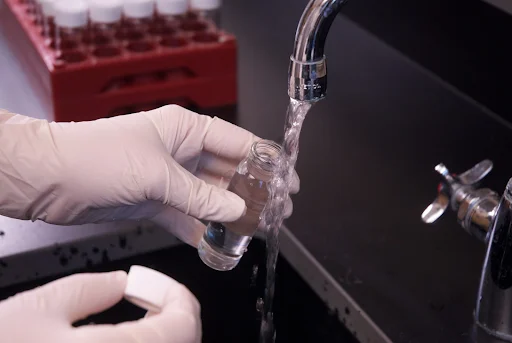
Water systems in residential and commercial buildings are essential for daily life — but under certain conditions they can also pose serious health and safety risks. In London, where many buildings are older and house a mix of private homes, flats, and commercial units, awareness of these risks is especially important for landlords, building managers, and residents alike.
This article explores common water system risks found in both residential and commercial buildings, why they occur, and what signs to look out for. It also touches on the importance of professional water‑system evaluation — including when a proper Legionella Risk Assessment London might be necessary.
The Hidden Danger of Stagnant Water and Under‑used Outlets
One of the most common risks in water systems arises when water becomes stagnant. This frequently happens in buildings — especially larger or multi‑unit properties — where some outlets are seldom used. For example, guest bathrooms, seldom-used showers, or secondary taps in flats can remain dormant for long periods.
Stagnant water encourages the build-up of sediment, rust, scale and a thin layer of microorganisms known as biofilm. These provide nutrients and a favourable environment for bacteria to multiply. Over time, this can degrade water quality, producing bad odours, discolouration, or a “metallic” taste — all warning signs that water may be contaminated.
Buildings in London that undergo partial occupancy, or have many flats/apartments where some units may remain vacant or see intermittent use, are particularly vulnerable to this issue.
Temperature‑Related Risks: When Hot and Cold Water Systems Become Dangerous
Temperature control is another key factor influencing water safety. According to guidance from the Health and Safety Executive (HSE), water systems can become a source of bacterial growth when water is maintained between roughly 20 °C and 45 °C — a temperature range in which certain bacteria thrive. In a typical modern building, cold water should ideally remain below 20 °C and hot water stored at 60 °C (with outlet temperature reaching at least 50 °C) to prevent bacterial growth.
If either hot or cold water systems fall outside those safe temperature thresholds — for example due to poor insulation, malfunctioning heaters, or improper design — the risk increases. This is more common in older buildings or in properties with outdated storage tanks and piping.
Aerosol Generation: Showers, Cooling Systems and Decorative Features
Another significant concern arises when water is dispersed as fine droplets — aerosols — which can carry bacteria into the air. Systems that may generate aerosols include showerheads, spray taps, cooling towers, humidifiers, spa pools, or even decorative indoor fountains.
When contaminated water is aerosolised, inhalation becomes possible. For vulnerable individuals — young children, elderly people, or those with weakened immune systems — this can lead to serious infections. Commercial buildings with showers, gyms, spas, or large air‑conditioning systems must pay particular attention to this risk.
Neglected Water Storage Tanks and Poor Maintenance
Large residential blocks and commercial buildings often rely on storage tanks, cisterns, or header tanks to manage water supply. These components — especially when located in roof spaces or seldom-checked areas — can be a major source of risk if not properly maintained.
Over time, tanks may accumulate rust, sediment, organic matter, or even leaks. Pipework connected to such tanks can develop “dead legs” — redundant pipe sections where water sits stagnant. Without regular maintenance and flushing, these storage assets become a breeding ground for bacteria and other contaminants.
These dangers are heightened in older London buildings, where plumbing designs may be complex and maintenance access more difficult.
Risks in Periods of Low Use — Vacant Properties, Seasonal Occupancy or Building Closures
Water system risks can increase significantly when buildings are unoccupied or see little use for extended periods. Examples include vacant flats, holiday‑let apartments, or commercial premises closed for refurbishment. During such periods, water sits unused in tanks and pipes, temperature controls may lapse, and there is no flushing or turnover — creating ideal conditions for microbial growth.
When the building reopens, water that has been sitting dormant may release bacteria or contaminants suddenly once taps or showers are used. That makes recommissioning — flushing, cleaning, and sometimes disinfecting the entire water system — critical before re‑use.
The Significance of Proper Water System Management and Risk Assessment
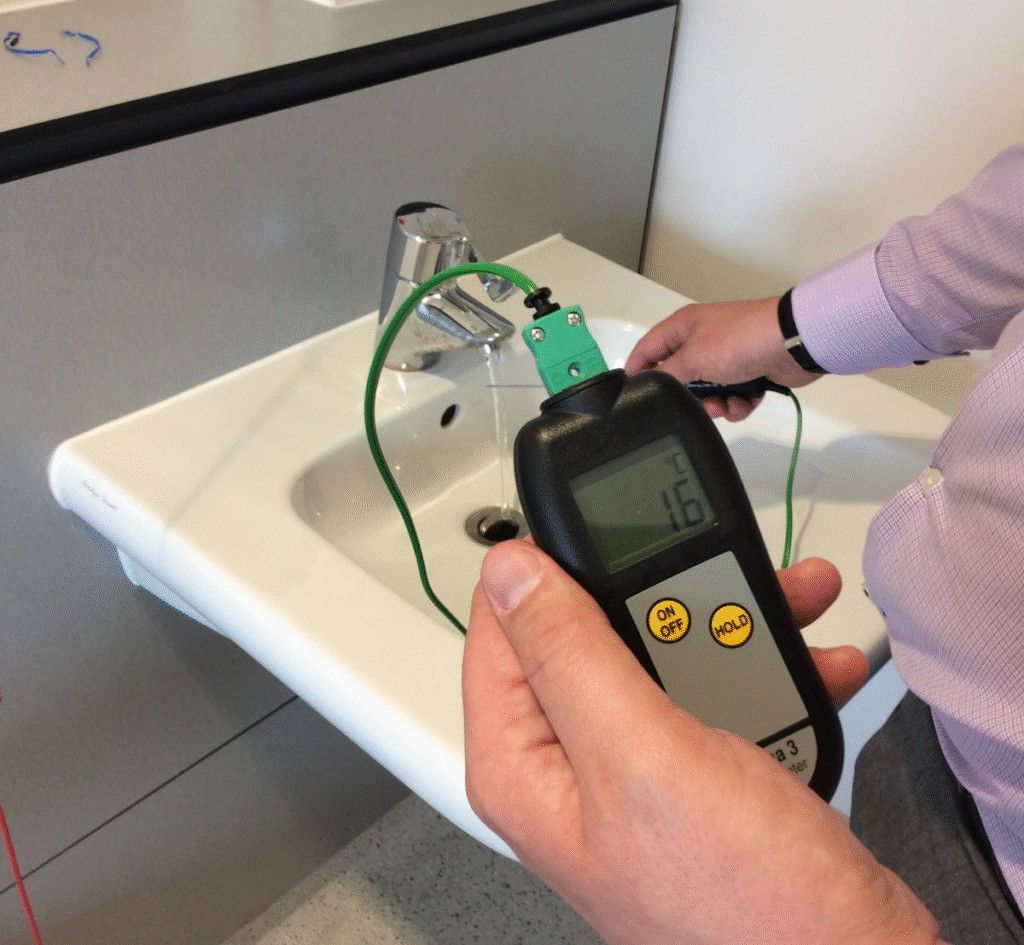
Given these risks, it is vital for property owners, landlords, building managers, or facility operators — in London and elsewhere — to take a considered approach to water hygiene. That means understanding the layout of the water system, its storage elements, piping, and outlets; checking for rarely used outlets; and monitoring water temperature.
Where there is potential for stagnant water, aerosol generation, or storage tanks, it is prudent to carry out a formal water‑system evaluation. For many buildings, that means commissioning a professional service such as a Legionella Risk Assessment London — especially for large or complex systems, or whenever building use changes.
A structured risk assessment helps identify whether there is a real risk from bacterial contamination (such as Legionnaires’ disease or other waterborne hazards). If risks are identified, building managers should implement control measures such as regular flushing, temperature control, disinfection, and documentation of maintenance.
Why London Buildings Are Particularly Susceptible
London’s mix of architectural eras — from Victorian terraces to modern high‑rises — means water systems vary widely in design, age, complexity and maintenance history. Older buildings may rely on storage tanks, have long or redundant pipework, or use older materials which are more prone to rust and scale. Shared flats or communal blocks often involve shared tanks or pipes, increasing complexity.
Commercial buildings in London — offices, gyms, hotels, serviced apartments — may also include showers, spa‑style amenities, cooling systems or other aerosolising installations. High turnover of occupants, varied usage patterns, and partial occupancy periods (for example, during refurbishment) make consistent water hygiene more challenging.
Moreover, the UK climate — with its warm summers and cold winters — can cause water temperature to fluctuate, potentially bringing water into the 20‑45 °C “danger zone”. Without careful management, this fluctuation can encourage bacterial growth.
Recognising Warning Signs and When to Take Action
Residents, landlords, and building managers should be alert to signs that a water system may be compromised. Warning signals include discoloured water, unusual odours or tastes, or visible sediment. Changes in water pressure, unexplained leaks, or unusual pipe corrosion may also indicate poor maintenance.
Unexplained health issues — such as repeated respiratory problems among occupants — may hint at more serious problems like contaminated water aerosols. In such cases, or before re‑occupying a previously unused building, a full evaluation and system check is strongly advised.
Summary: Taking Water Safety Seriously in London Properties
In both residential and commercial properties in London, water systems — when neglected, poorly maintained, or under‑used — can pose hidden but serious risks. Stagnant water, temperature mismanagement, aerosol‑producing outlets, old storage tanks, and complex pipework can all combine to create conditions favourable for bacteria and contamination.
By understanding these risks and proactively managing water systems — including regular maintenance, flushing of under‑used outlets, ensuring correct water temperatures, cleaning storage tanks, and obtaining a proper risk assessment when needed — building owners and managers can significantly reduce dangers.
Given the high stakes for occupant health, especially in larger or shared buildings, investing in professional evaluation and ongoing water hygiene management is not just sensible — it is essential.
For more content on building safety and maintenance across different property types, you can visit our website: buzzblog.co.uk.