

A full kitchen refit usually means starting from scratch. Old cabinets come off the walls. Worktops get lifted. Appliances get disconnected and removed. In many cases, the floor is stripped right back to the base layer.
Sometimes walls move. Sometimes plumbing or electrics get adjusted. Even if the layout stays the same, you’re still dealing with layers of old materials that have to go somewhere.
This is where people underestimate things. You picture the finished kitchen, not the stage where half of it is gone, and the rest is covered in dust.
The Type of Waste a Kitchen Refit Creates
Kitchen refits create a mix of waste, and none of it is friendly. You’ve got bulky items like cabinets, carcasses, and worktops. Fragile waste like tiles, ceramics, and glass. Dusty materials like plaster, grout, and old adhesive.
Then there’s packaging. Lots of it. Cardboard, plastic wrap, foam, and protective boards. It piles up fast once new units and appliances start arriving.
Household bins just aren’t built for this. They fill instantly, crack under weight, or get rejected on collection day. Dragging bags of rubble through the house isn’t fun either.
Why Flooring Makes the Mess Much Worse
Once flooring is involved, everything ramps up. Floors cover the entire room, not just one section. Pulling up tiles creates rubble and dust everywhere. Laminate and vinyl might seem lighter, but they still come with underlay, fixings, and layers of adhesive underneath.
You often don’t know what’s under the floor until it’s gone. Old leveling compound. Extra layers. Cracked screed. Suddenly, the waste volume doubles, and the mess spreads beyond the kitchen.
Flooring also turns the kitchen into a no-go zone for longer, which makes waste control even more important.
Where Kitchen Refits Usually Go Wrong
The most common mistake is delaying waste removal. People stack things “for now” with the plan to deal with it later. Cabinets lean against walls. Broken tiles get piled near the door. Packaging takes over the hallway.
Then the work slows down. Walkways get blocked. Tools are harder to find. Materials get damaged because there’s nowhere safe to put them.
Multiple dump runs don’t help either. They eat time, break focus, and usually leave more mess behind.
Planning Waste Removal Before Work Starts
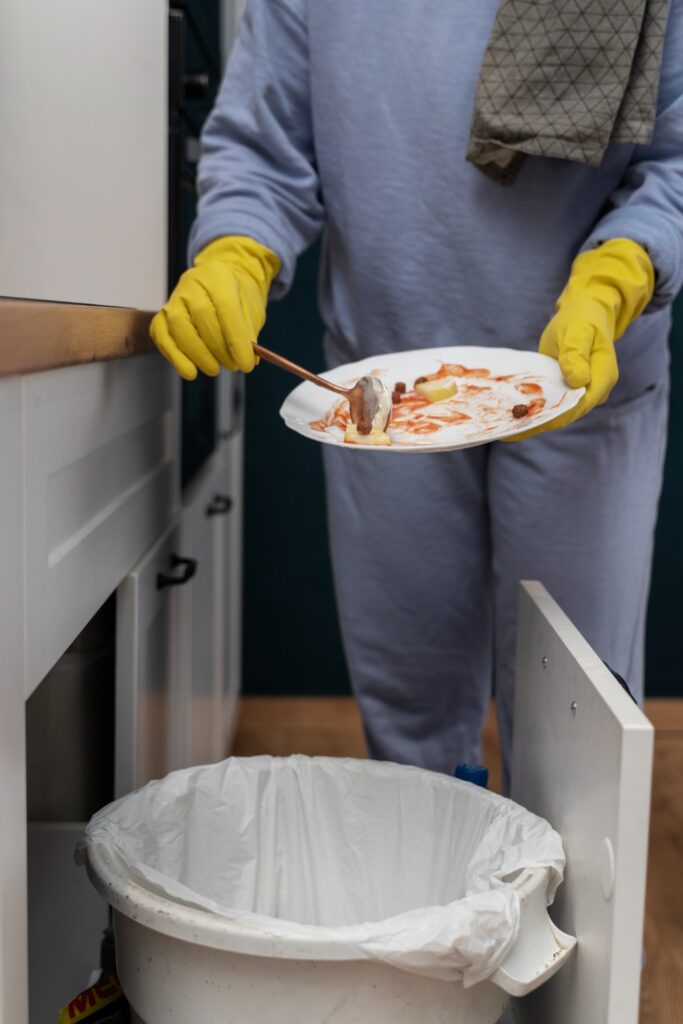
This is the part that separates a smooth refit from a stressful one. Thinking about waste before demolition day changes everything. Having one main place for debris keeps it out of the house and out of the way.
For bigger refits, especially when floors are coming up, managing waste properly matters. Not complicated systems. Just a clear plan and one disposal point.
If you’re local, having a skip in Southampton ready before the first cabinet comes off means waste goes straight outside instead of being shuffled around indoors.
Keeping the House Livable While the Work’s Going On
Most people stay in the house during a kitchen refit. That means you need clear paths to doors, access to basic areas, and some level of order.
Small things help more than you think. Keeping walkways clear. Closing off work zones. Protecting nearby rooms from dust. When waste stays under control, everyday life doesn’t grind to a halt.
It’s not about comfort. It’s about keeping things functional until the job is done.
Simple Habits That Keep the Refit Under Control
You don’t need constant cleaning. Short, regular clear-outs work better. At the end of each day, loose debris gets moved, tools get stacked, and packaging gets broken down.
Separating heavy waste from light rubbish helps too. It keeps things safer and makes disposal easier. These habits stop the mess from creeping back overnight.
Finishing the Job Without Leftover Chaos
Once the new kitchen and flooring are in, the last thing you want is leftover debris hanging around. Final packaging, offcuts, and unused materials should be cleared so the space actually feels finished.
A clean wrap-up makes a bigger difference than people expect. It’s the moment where the refit finally feels complete.
Conclusion
A full kitchen refit is one of the biggest home upgrades you can take on. It’s worth it, but it’s messy, especially when flooring is part of the job.
The difference between a smooth project and a frustrating one usually comes down to planning. Control the waste early, keep things organized, and don’t wait until the mess takes over.