
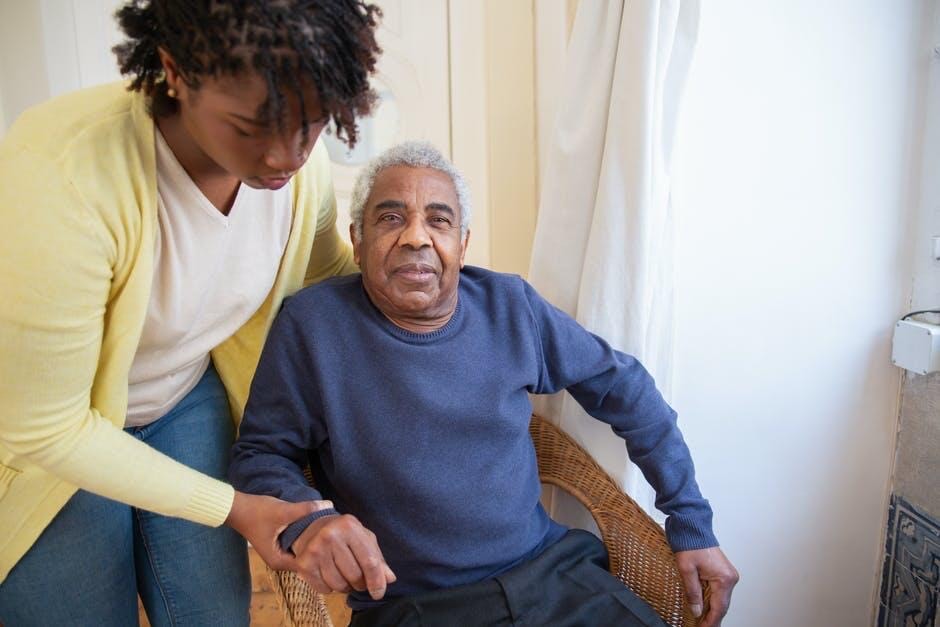
Memory issues in seniors can show up in many ways. Forgetting appointments, losing items, or asking the same questions often are common signs. Families may not always know when extra help is needed.
Catching these signs early can prevent problems and keep seniors safe. Changes in daily habits, mood, and safety are important to notice. Acting on these signals can improve their quality of life.
Learn the key signs that show when loved ones need more care.
Changes in Daily Routines
Seniors with memory issues may start missing important routines. This may include taking medications or eating regularly. They might forget to bathe or change clothes, which can affect health and hygiene.
Small daily tasks become confusing or take much longer than before. Family members may notice increased frustration or withdrawal from activities. These changes can be subtle at first but grow over time. Monitoring daily habits helps identify when more consistent care is needed.
Difficulty Managing Finances
Handling money is often one of the first signs of worsening memory issues. Seniors might forget to pay bills, misplace bank statements, or make unusual purchases. They may become anxious when managing their finances or rely heavily on others for help.
Ignoring these issues can lead to serious financial problems. Close observation and gentle guidance can prevent mistakes. This is a clear indicator that extra support may be necessary.
Frequent Confusion or Disorientation
Memory problems can cause seniors to become confused about time or place. They might forget where they are or how they got there. Confusion can also appear during routine activities like cooking or driving.
This increases the risk of accidents or getting lost. Providing reminders and structured routines can help. Persistent disorientation is a signal that additional care should be considered.
Mood Swings and Behavioral Changes
Seniors experiencing memory issues often show sudden mood changes. They may become irritable, anxious, or depressed without clear reasons. Personality shifts can affect relationships and make daily life harder.
These changes are often linked to confusion and frustration over memory loss. Supportive care environments can reduce stress and improve well-being. Watching for ongoing mood changes can indicate when professional help is needed.
Safety Concerns at Home
Memory issues can create real safety risks in the home. Seniors might leave the stove on, wander outside unsafely, or forget to lock doors. These incidents show the need for close supervision.
Families may need to make adjustments like installing safety devices or reorganizing the home. Observing frequent safety lapses is a strong sign that more structured care is required. Access to dedicated memory care for seniors can ensure a safe environment.
Trouble with Communication and Relationships
Memory problems often affect the ability to communicate clearly. Seniors may struggle to find words or follow conversations. This can lead to social withdrawal or misunderstandings with family and friends.
Communication difficulties increase frustration and can cause isolation. Encouraging regular social interaction helps maintain connections. Persistent trouble communicating is a signal to seek additional support and care.
Loved Ones With Memory Issues Need More Care
Memory issues in seniors require attention and timely action. Early recognition of these signs can prevent accidents and ease stress for everyone involved. Providing extra support helps maintain dignity, safety, and overall well-being.
Families should watch for changes in routines, finances, mood, safety, and communication. Acting on these observations ensures seniors receive the care they need. Professional memory care services can provide structured assistance tailored to each individual.
Should you wish to read more, visit our blog page.