
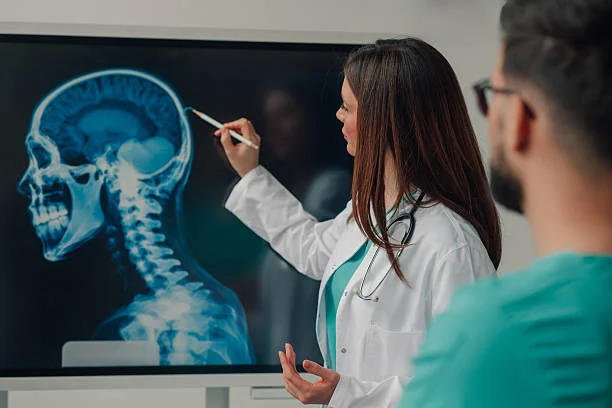
When dealing with conditions affecting the brain or spine, the choice of a neurosurgeon becomes one of the most important decisions a patient can make. These conditions can affect mobility, sensation, and overall quality of life, and they often require careful evaluation and precise treatment. Whether someone is experiencing chronic back pain, nerve compression, or more complex neurological problems, having a specialist who combines expertise with compassion can make a significant difference in the treatment journey.
Neurosurgery is a highly specialized medical field that focuses on diagnosing and treating disorders of the nervous system, including the brain, spinal cord, and nerves. Because of the complexity involved, patients often seek surgeons who not only have strong clinical training but also demonstrate a patient-centered approach to care.
Understanding the Role of a Neurosurgeon
Neurosurgeons treat a wide range of conditions, from spinal injuries and herniated discs to tumors and vascular abnormalities in the brain. These specialists undergo years of rigorous training after medical school, often completing extensive residency programs and research work before practicing independently.
One of the most important aspects of neurosurgical care is proper diagnosis. Many symptoms that seem minor—such as persistent neck pain, numbness in the arms, or recurring headaches—can sometimes indicate underlying nerve or spinal issues. Neurosurgeons use advanced imaging techniques such as MRI and CT scans to understand the source of the problem and determine the most appropriate treatment options.
In many cases, treatment does not begin with surgery. Physicians typically recommend conservative therapies first, including physical therapy, medication, or targeted injections. Surgery is usually considered when these methods fail to provide relief or when a neurological condition requires immediate intervention.
The Importance of Compassionate Patient Care
Beyond technical expertise, one factor patients frequently highlight when discussing positive medical experiences is compassion. Medical procedures can be stressful and intimidating, especially when they involve the brain or spine. Having a physician who takes the time to explain diagnoses, discuss treatment options, and answer questions can help reduce anxiety and improve patient outcomes.
A compassionate approach also involves clear communication. Patients should feel comfortable discussing their symptoms, concerns, and expectations with their healthcare provider. When doctors provide thorough consultations and detailed explanations of procedures, it empowers patients to participate actively in their own healthcare decisions.
Many modern neurosurgical practices emphasize patient education and transparency. By providing access to reliable information and treatment guidance, they help patients understand both the benefits and risks of potential procedures.
Expertise and Evidence-Based Treatment
Another critical factor in neurosurgical care is the use of evidence-based treatment methods. Advances in medical technology and surgical techniques have significantly improved the safety and effectiveness of many procedures over the past two decades.
Minimally invasive spinal surgery, improved imaging systems, and advanced surgical tools allow surgeons to treat complex conditions with greater precision. These innovations often lead to shorter hospital stays, reduced recovery times, and better long-term outcomes for patients.
For example, modern spine surgery techniques can address issues such as nerve compression, degenerative disc disease, and spinal instability with far greater accuracy than in the past. Surgeons who prioritize proven medical methods and continuously update their knowledge are better positioned to deliver safe and effective care.
In your search for a neurosurgeon, it’s important to find someone who cares as much as Kelly Bridges to emphasize both technical excellence and compassionate patient support. This balance of expertise and patient-focused care is often cited as a key factor in successful neurosurgical outcomes.
Community Involvement and Patient Support
Another important aspect of healthcare providers is their role within the community. Many physicians extend their work beyond clinical practice by supporting charities, health awareness initiatives, and educational programs.
Community involvement helps promote awareness about neurological conditions and injury prevention. It can also provide valuable resources for patients and families dealing with serious health challenges.
For instance, some neurosurgeons participate in charitable activities supporting organizations focused on neurological disorders, children’s health, and medical research. These efforts demonstrate a broader commitment to improving lives not only inside the operating room but also within the community.
Making an Informed Decision
Choosing a neurosurgeon involves several factors, including professional credentials, experience with specific conditions, patient reviews, and overall approach to care. Patients are encouraged to research physicians, ask questions during consultations, and ensure they feel confident in the treatment plan being proposed.
It is also important to seek a medical professional who prioritizes individualized treatment. Every patient’s condition, lifestyle, and medical history are unique, which means treatment strategies should be tailored accordingly.
When patients partner with a skilled and compassionate neurosurgeon, they are more likely to feel supported throughout the diagnostic, treatment, and recovery process.
Final Thoughts
Neurological and spinal conditions can be complex, but advances in medical science continue to provide new possibilities for treatment and recovery. The key to navigating these challenges often lies in finding a healthcare provider who combines technical skill, evidence-based medicine, and genuine care for patients.
By researching available resources and choosing a specialist dedicated to both expertise and compassion, patients can take an important step toward improved health and a better quality of life.