
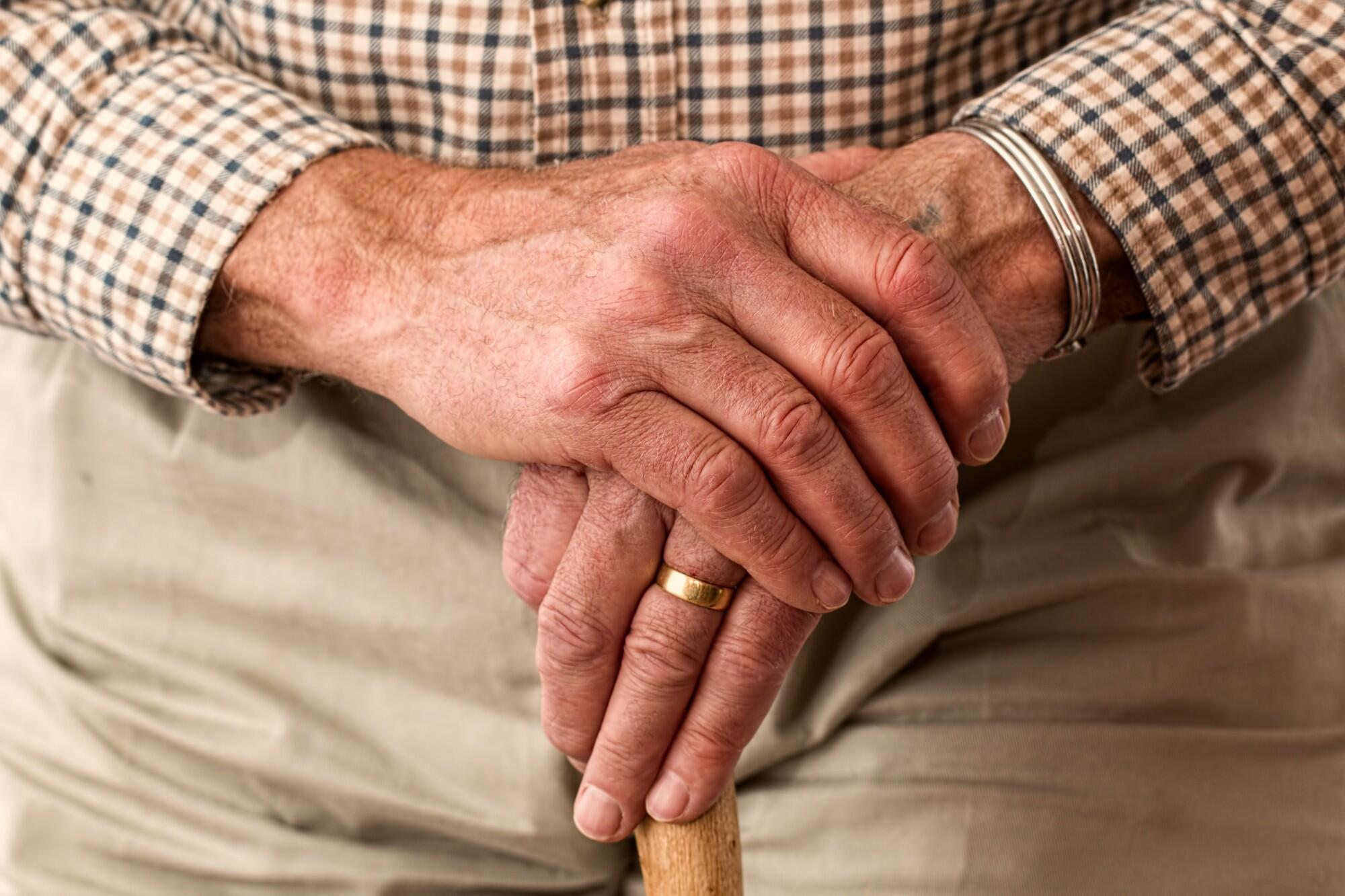
As people grow older, the body changes in many ways. One common change is muscle loss. Muscle loss often begins slowly in adulthood and becomes more noticeable later in life.
This process can affect balance, strength, and the ability to do daily tasks. Over time, muscle loss can raise the risk of falls and make everyday activities feel harder than before. Understanding this change is an important step toward staying active and independent.
Read more to see how it all comes together.
What Causes Muscle Loss in Older Adults
Muscle loss happens for several reasons. Aging naturally slows the body’s ability to build and repair muscle. Hormones that help maintain muscle strength decrease over time, which can make it harder for the body to keep muscles strong.
At the same time, many older adults move less than they did when they were younger. Less movement means muscles are not used as often, and unused muscles tend to weaken.
Nutrition also plays a role. Some older adults eat less due to changes in appetite, dental issues, or health concerns. When the body does not get enough protein or key nutrients, muscles do not have the fuel they need to stay healthy. Together, lower activity levels and poor nutrition can speed up muscle loss.
Simple Ways to Support Muscle Health
The good news is that muscle loss is not inevitable. Many older adults can slow it down or even rebuild strength with simple habits. Regular movement is one of the most helpful steps.
Activities that gently challenge the muscles, such as lifting light weights or using resistance bands, help keep muscles active. Even daily tasks like gardening or climbing stairs can support muscle strength when done safely.
Staying active throughout the week is important. Walking, swimming, or light cycling can support overall fitness and keep the body moving. These activities also improve heart health and energy levels, which makes it easier to stay consistent.
The Role of Nutrition and Rest
Food plays a key role in maintaining muscle health, especially for older adults. Consuming the right nutrients, often referred to as senior muscle building nutrition, can make a real difference in strength and mobility. Protein, in particular, helps repair and build muscle tissue, so including protein-rich foods at each meal supports muscle maintenance over time.
Balanced meals that include fruits, vegetables, whole grains, and healthy fats provide additional vitamins and minerals essential for proper muscle function. Hydration is equally important. Muscles perform better when the body is well-hydrated, so drinking water consistently throughout the day helps support both movement and recovery.
Rest also plays a crucial role in muscle health. Quality sleep allows the body to repair itself, including rebuilding muscle tissue after activity. By combining proper nutrition, hydration, and rest, seniors can maintain stronger muscles and improved overall mobility.
Staying Strong for the Future
Muscle loss is a common part of aging, but it does not have to control your life. With regular movement, balanced nutrition, and proper rest, many older adults can stay strong and active. Taking small steps today can help protect independence and quality of life in the years ahead.
Staying informed and engaged is a powerful way to support a healthier, more confident future. Stay inspired. Head to our blog for even more helpful content!