
Understanding the Risks of Older Buildings
Older properties in London have a unique charm, but they also come with specific health and safety considerations. Many homes and commercial buildings constructed decades ago were built using materials and techniques that no longer meet modern safety standards. Over time, wear and tear, outdated wiring, and structural changes can increase the likelihood of accidents and hazards.
For residents, landlords, and property managers, understanding the potential risks associated with older buildings is essential. Routine checks can prevent problems before they escalate and ensure that the property remains safe for everyone who lives, works, or visits there.
Structural Integrity and Maintenance Concerns
One of the primary concerns in older properties is the condition of the building’s structure. Roofs, walls, and foundations can deteriorate over time, leading to leaks, cracks, or even more serious structural issues. London’s variable climate—with periods of heavy rain, damp conditions, and occasional frost—can accelerate damage to aging materials.
Regular inspections of structural components are essential to ensure that repairs are identified and completed promptly. Catching problems early helps maintain the building’s integrity and prevents costly emergency interventions. Additionally, proper maintenance protects occupants from potential injuries caused by falling debris, weak flooring, or unstable features.
Electrical and Fire Safety in Older Homes
Electrical systems in older properties are often outdated, which can increase the risk of fire. Many buildings constructed before the 1980s may have wiring that is not suited to modern energy demands. Overloaded circuits, deteriorated cables, and older fuse boxes all present hazards that need to be addressed.
Fire safety is another critical area. Older properties may lack adequate fire detection systems, emergency lighting, or accessible escape routes. Regular assessments help identify these gaps, allowing property owners to implement improvements that protect residents and employees. Ensuring compliance with the latest safety standards is particularly important in London, where dense housing and mixed-use developments are common.
The Hidden Hazard of Asbestos
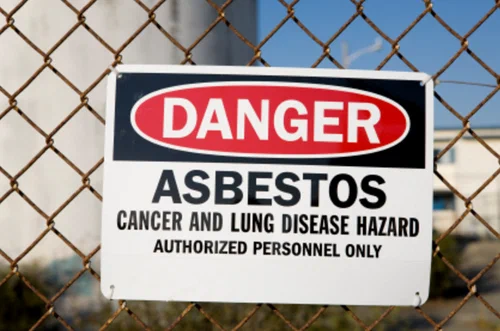
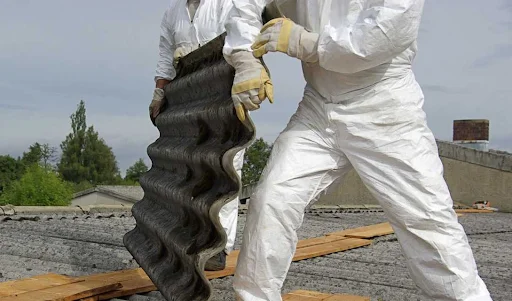
Asbestos is a significant concern in many older properties. Commonly used in the mid-20th century for insulation, fireproofing, and ceiling materials, asbestos is now recognised as a serious health hazard. Disturbing these materials can release fibres into the air, which, if inhaled, may lead to serious respiratory illnesses and long-term health issues.
To manage this risk safely, it is important to arrange a professional Asbestos Survey London. Experienced surveyors can identify any asbestos-containing materials and advise on safe handling, management, or removal. Completing a survey before renovations, maintenance work, or demolition ensures that both workers and occupants are protected from potential exposure.
Gas and Heating System Checks
Older buildings often have outdated gas boilers, heaters, and piping systems. Faulty equipment can lead to gas leaks, carbon monoxide exposure, or inefficient energy usage. Carbon monoxide is a colourless, odourless gas that can be fatal if inhaled, making routine inspections and servicing of gas appliances essential.
Landlords in London are legally required to ensure that gas installations are safe, and tenants have the right to live in properties that are free from gas hazards. Annual checks by qualified engineers, along with proper documentation, provide reassurance that heating systems operate safely and efficiently.
Water, Damp, and Mold Issues
Water penetration is another common problem in older London properties. Roof leaks, poorly maintained gutters, and damaged plumbing can lead to damp conditions inside the property. Persistent damp can encourage mold growth, which can trigger allergies, respiratory problems, and other health issues for occupants.
Regular inspections of plumbing, roofing, and drainage systems help identify water-related problems before they affect the health of residents. Early intervention reduces the risk of structural damage as well, ensuring the building remains safe and comfortable.
Legal Responsibilities for Property Owners
Property owners and landlords in London have specific legal duties to maintain health and safety standards. The Health and Safety Executive (HSE) provides guidance on managing risks in buildings, including older properties. Following this guidance ensures that owners meet statutory obligations and create safer environments for all occupants. More information can be found at www.hse.gov.uk .
Non-compliance with regulations can result in fines, legal action, or even restrictions on the use of the property. Regular health and safety checks, along with professional surveys, help property owners avoid these consequences while protecting the wellbeing of occupants.
Planning for Renovations and Upgrades
Renovation projects in older buildings require careful planning. Many older properties contain hidden hazards such as lead paint, outdated wiring, or asbestos. Before starting any work, property owners should conduct comprehensive health and safety assessments.
By addressing risks in advance, renovations can proceed safely without exposing workers or occupants to preventable dangers. Planned improvements also provide an opportunity to upgrade the building to modern safety standards, including better fire protection, improved insulation, and safer electrical systems.
Maintaining Occupant Confidence and Wellbeing
Occupants of older properties, whether tenants or employees, benefit from knowing that safety is taken seriously. Regular health and safety checks reassure residents that the property is well maintained and that potential hazards are being managed responsibly.
This confidence contributes to overall wellbeing. People are more likely to feel secure, comfortable, and healthy in environments where risks are actively monitored and mitigated. In London, where older properties are common and densely populated, this reassurance is particularly important.
Long-Term Value and Property Management
Properly maintaining older properties protects their long-term value. Buildings that undergo regular safety checks, structural maintenance, and system upgrades remain more desirable to tenants, buyers, and investors. Routine inspections and surveys help identify minor issues before they become major problems, reducing repair costs over time.
Property managers in London can benefit from a structured maintenance plan that includes health and safety checks, fire safety updates, asbestos management, and gas and electrical inspections. This proactive approach supports the longevity and functionality of older buildings, keeping them safe and compliant for years to come.
Final Thoughts
Older properties in London require careful attention to health and safety due to their age, construction methods, and materials. Regular inspections, professional surveys, and timely maintenance help protect occupants, reduce risks, and ensure compliance with current regulations. Services such as Asbestos Survey London and routine checks of electrical, gas, and structural systems are essential for managing hazards effectively.
By implementing a comprehensive approach to property safety, owners and managers can maintain the value, functionality, and wellbeing of older buildings while safeguarding the people who live and work in them.
For more guidance on property safety, you can read a related article on buzzblog.co.uk called Everything You Need to Know About the Sign That Shows When a Lift Is Safe to Use, which explores safety assessments and compliance steps that support building wellbeing.